
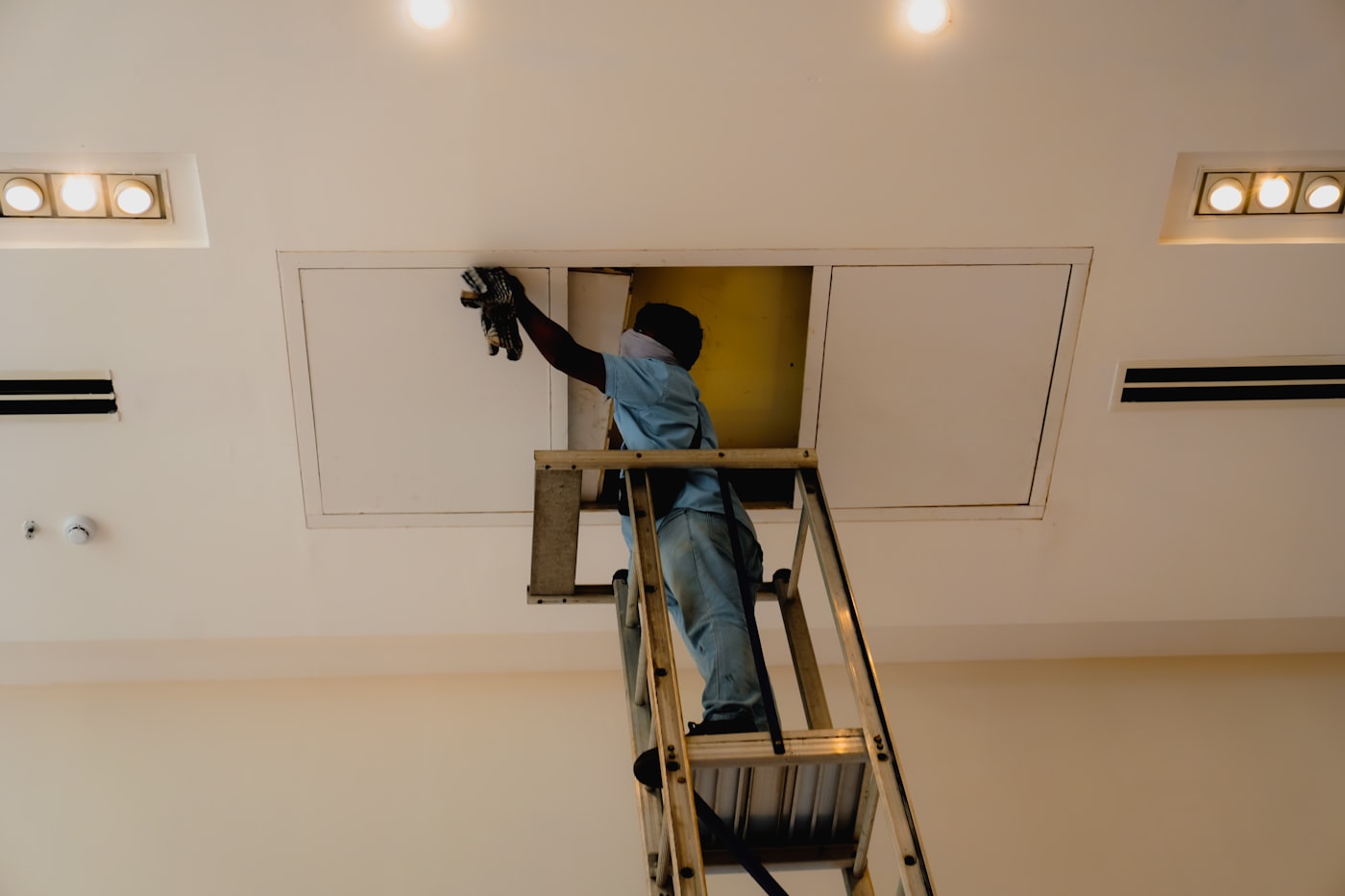
New England homes spend a long stretch of the year sealed shut. From late autumn through spring, the same air is heated, circulated through the ductwork and breathed again, with very little outside exchange. Whatever is in that duct system is what your household is breathing for six months. We clean duct systems across Greater Boston, in modern homes and in century-old ones with ductwork retrofitted into places it was never planned for.
The Boston-area housing stock creates its own duct problems. Many of these homes were built for radiators and had forced air added decades later, often routed through basements, closets and old chase spaces. That means long, awkward duct runs, flexible duct in places that should have rigid, and joints that were never properly sealed. Ductwork running through an unheated basement or attic in a Massachusetts winter loses a substantial amount of the heat you are paying for, and pulls in dust and unconditioned air through every unsealed seam.
The other regional factor is basements. Massachusetts basements are damp far more often than not, and when supply and return ducts run through a damp basement with unsealed joints, that basement air ends up distributed through the house. If the musty smell in your basement has started showing up upstairs when the heat runs, the ductwork is usually the mechanism.
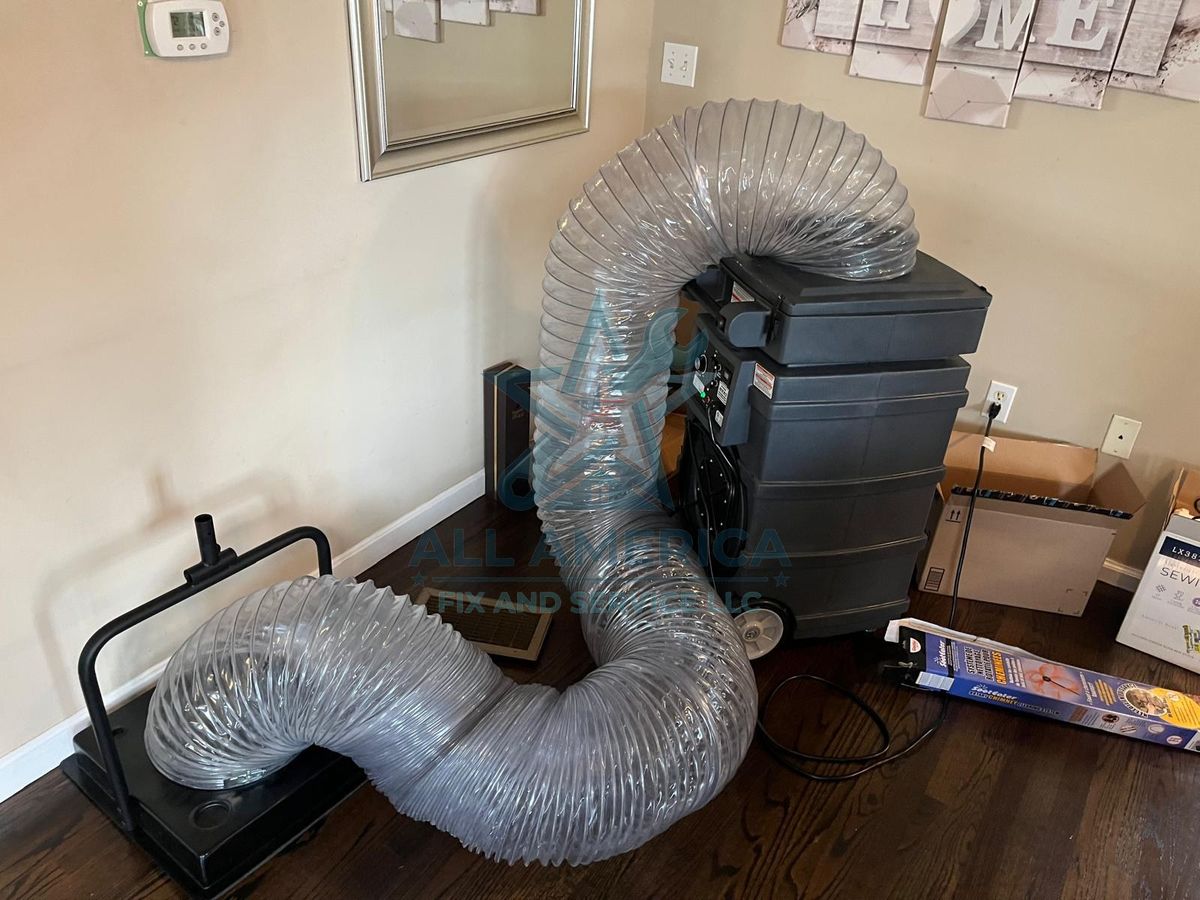
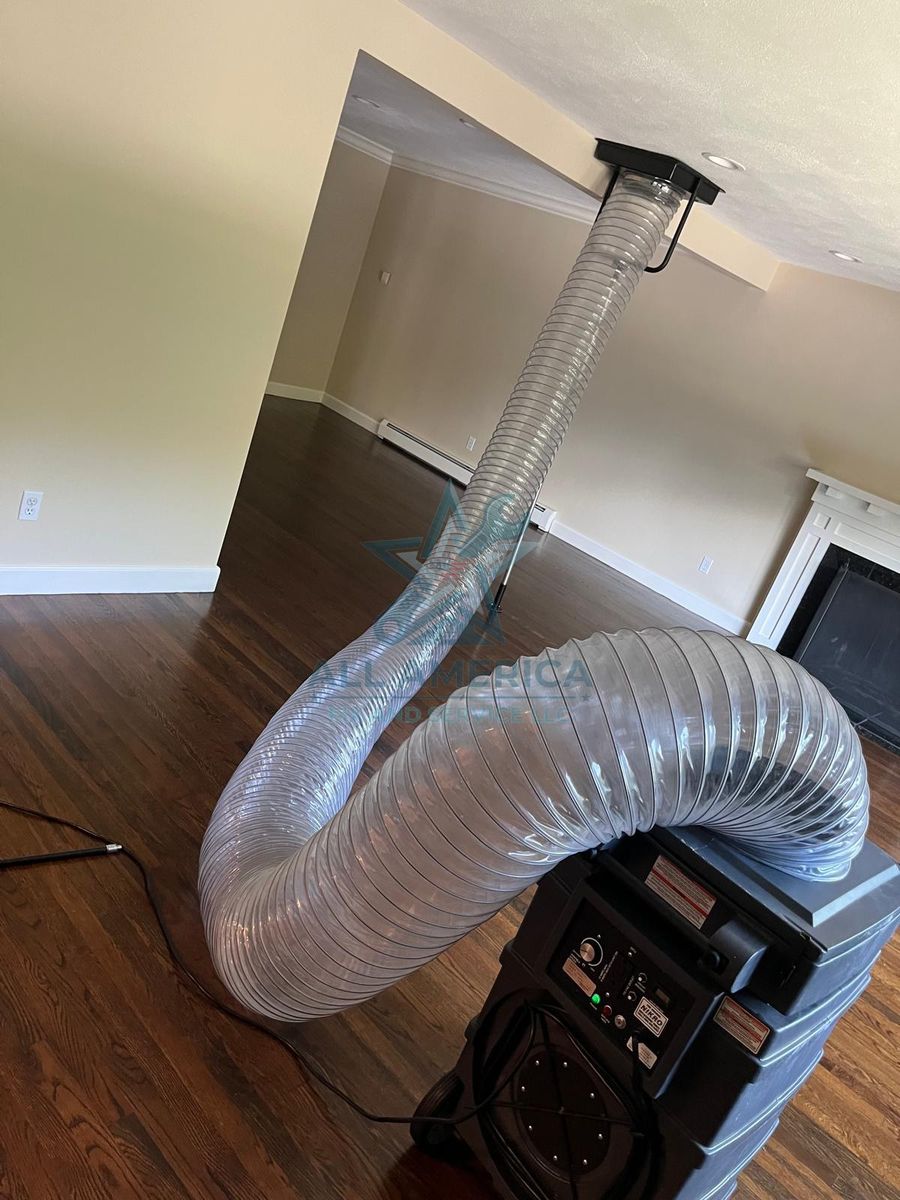
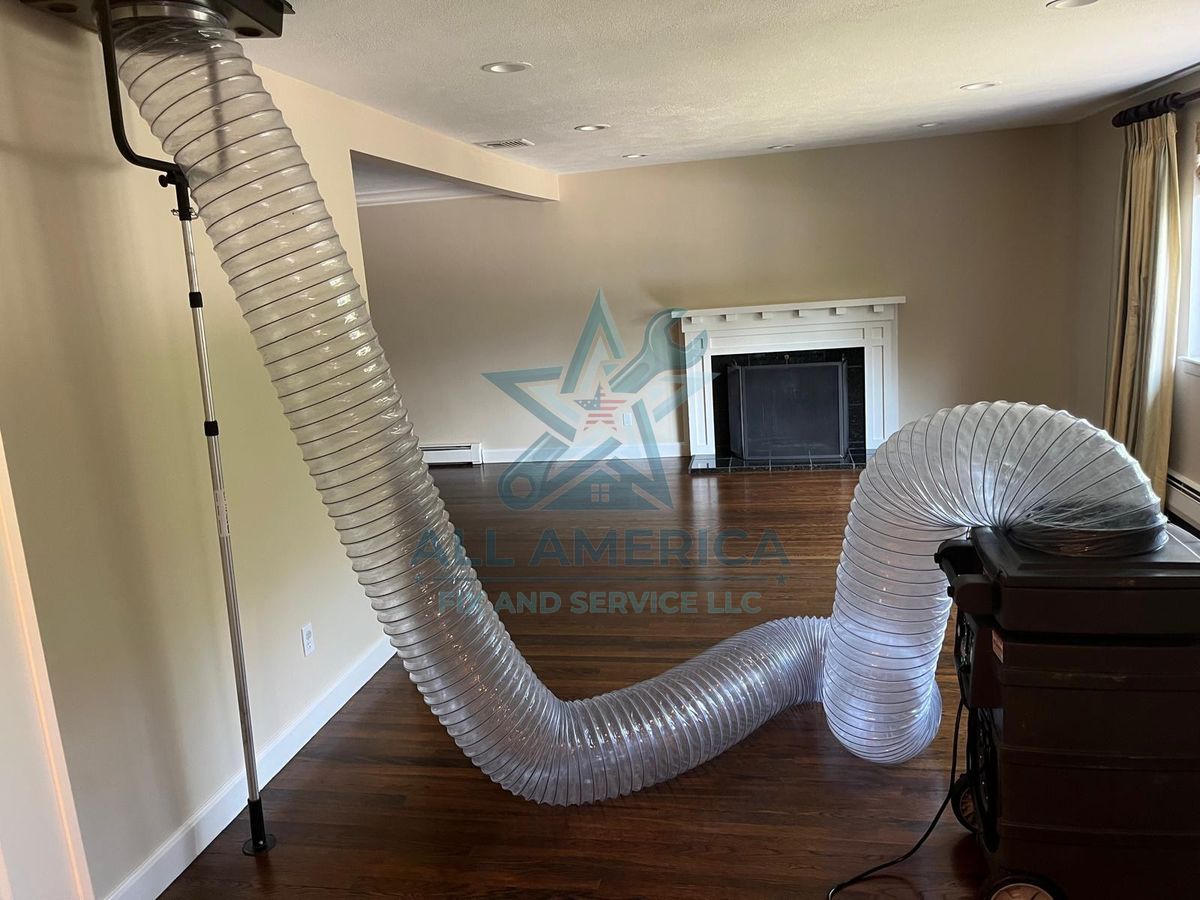
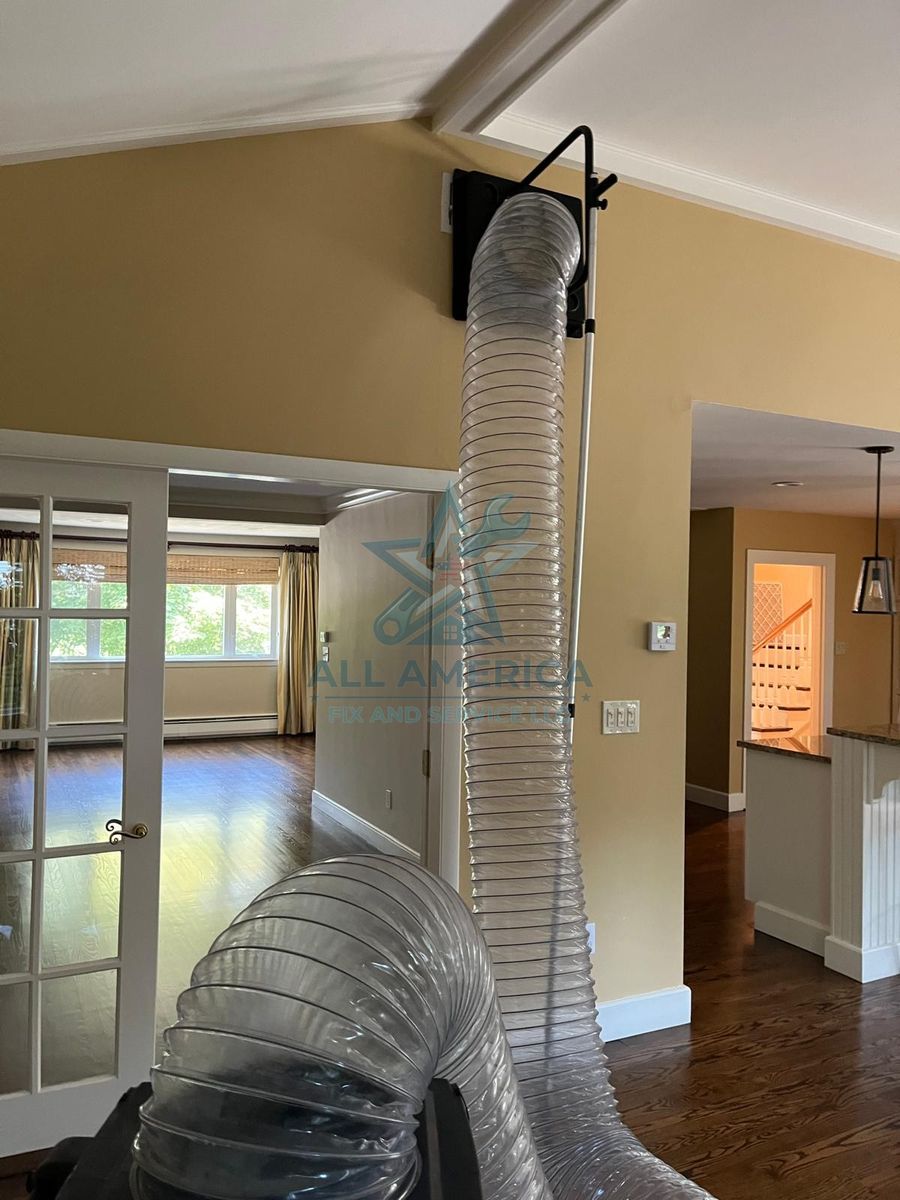
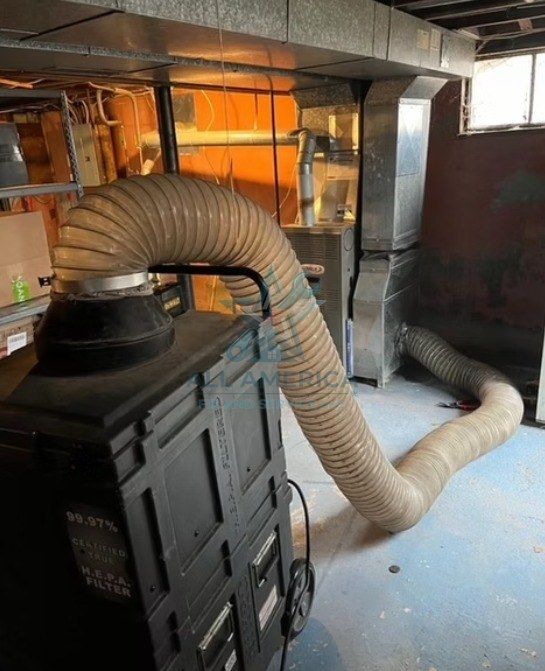
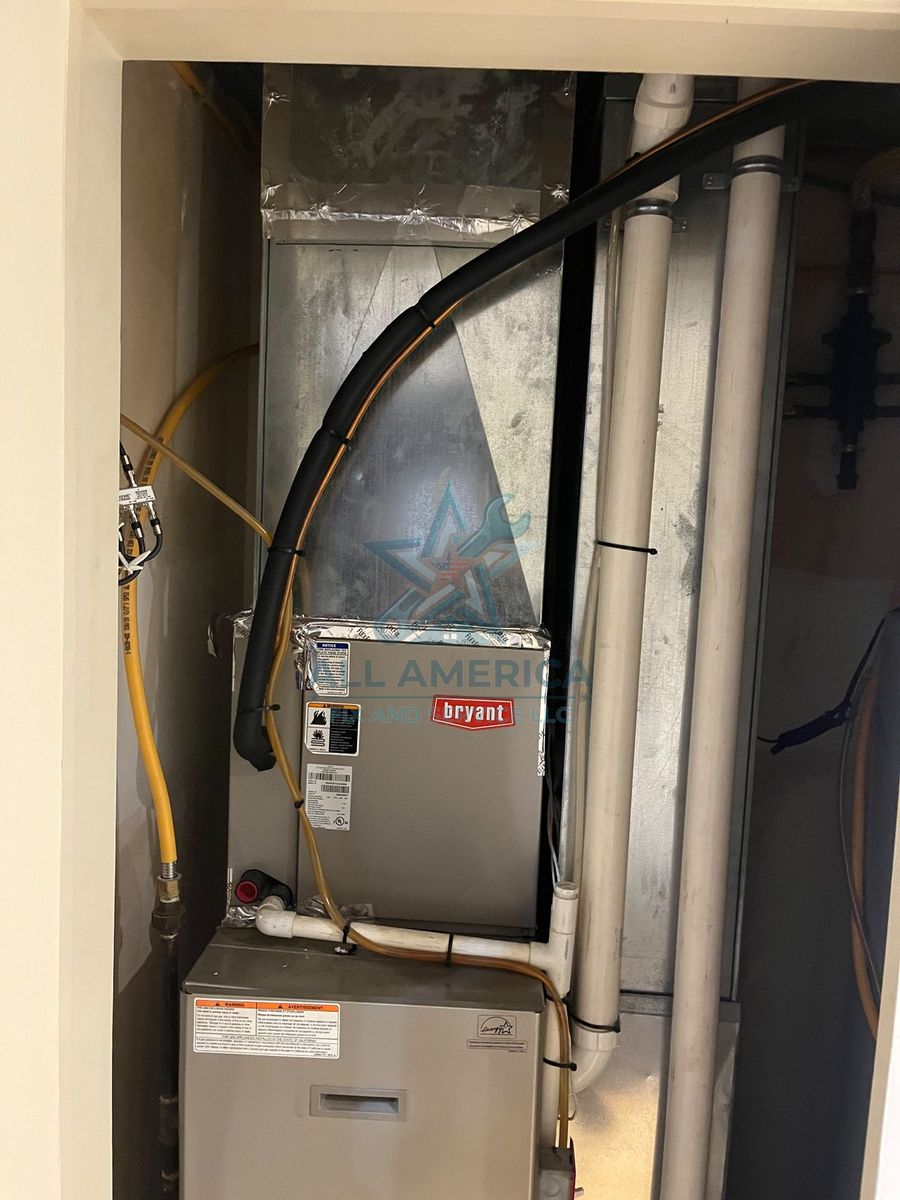
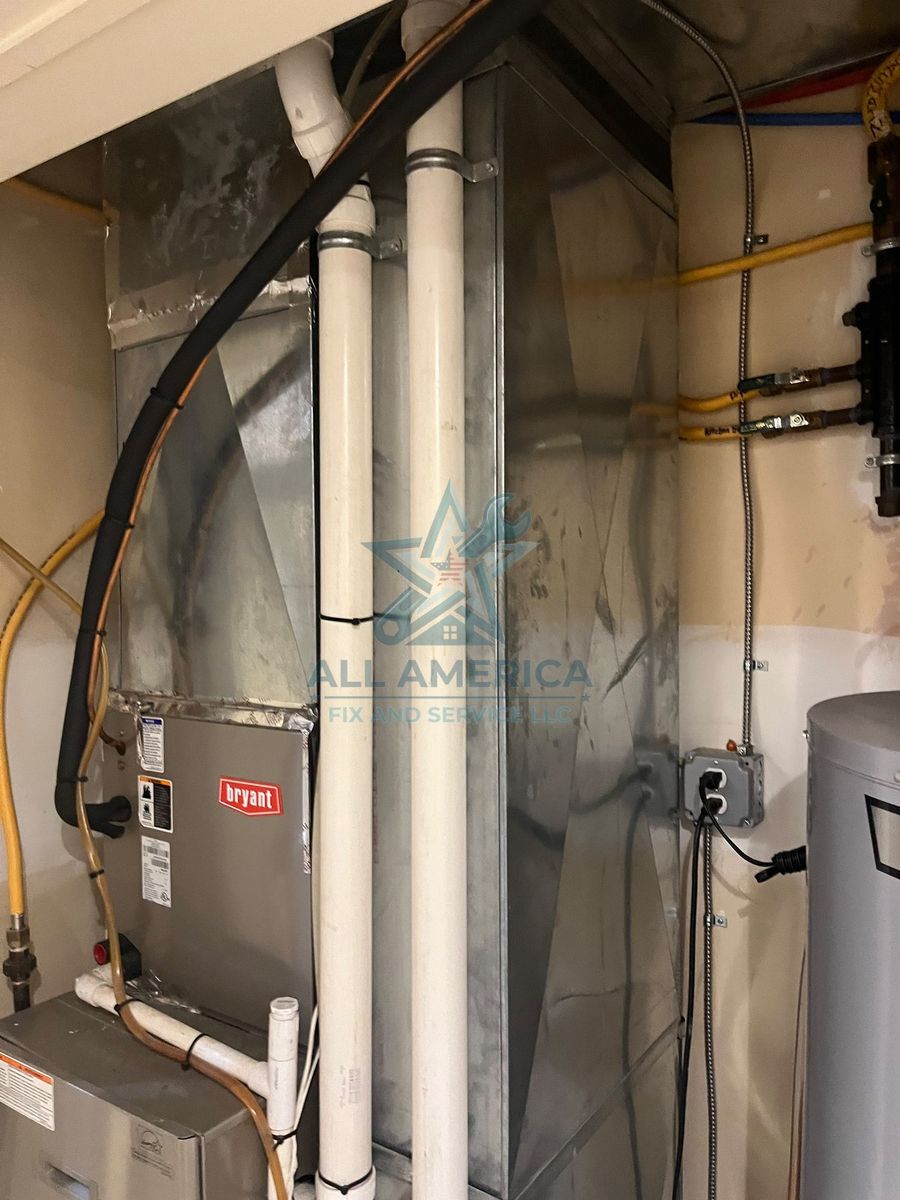
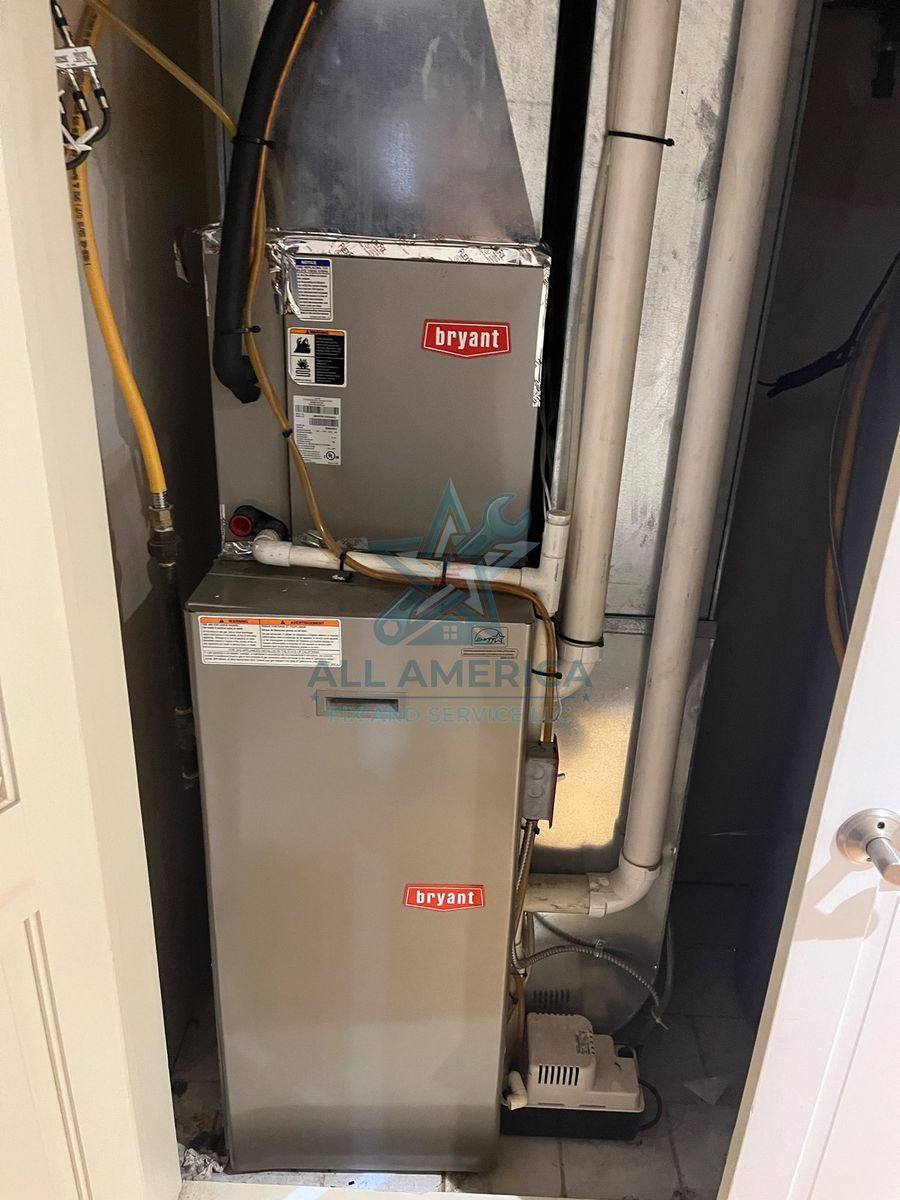
A proper cleaning is mechanical, not just suction. We put the system under negative pressure into a HEPA-filtered collection unit, then agitate each run with brushes and air whips so debris is dislodged rather than driven further along. We do the supply side, the return side, the main trunk and the blower compartment. The return side and the blower are where the heaviest accumulation almost always is, and they are also what a cheap operation skips.
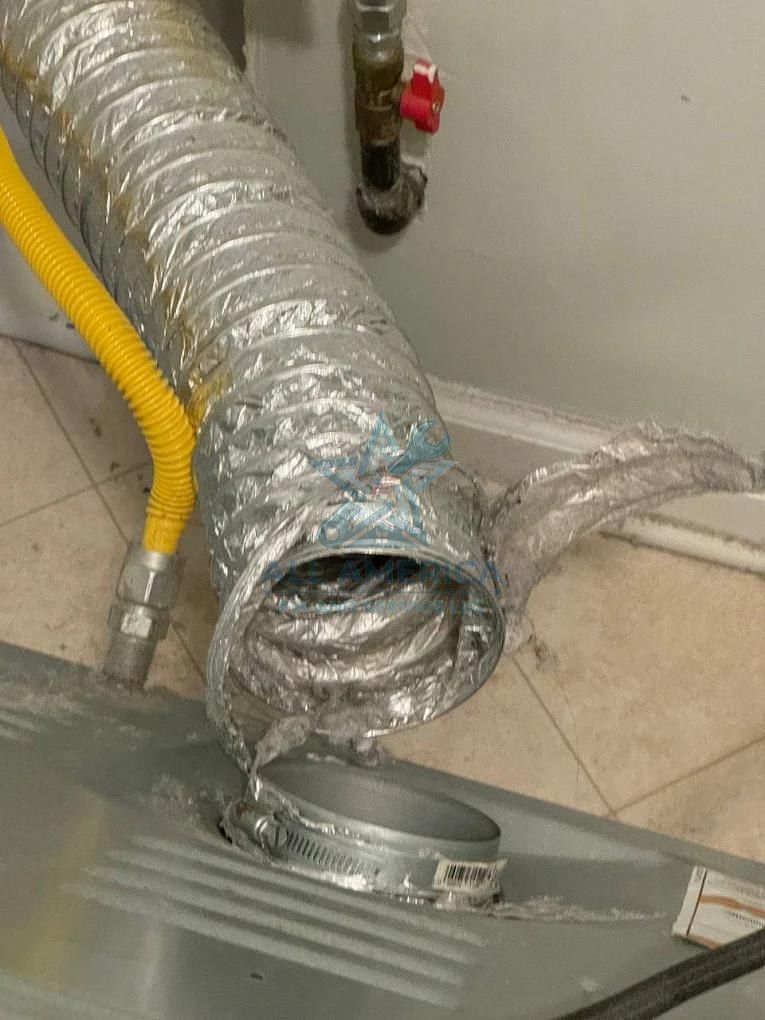
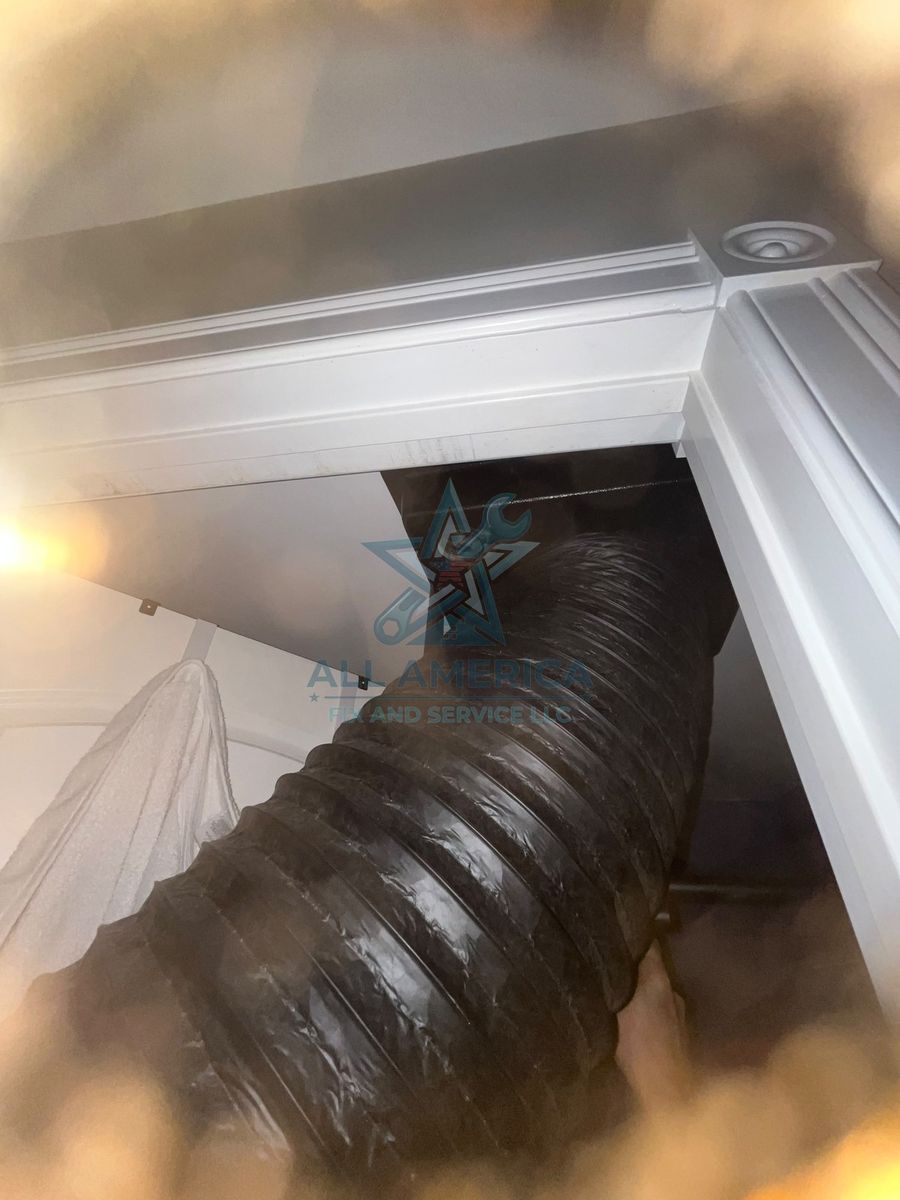
While the system is open we look at why it is dirty. Disconnected runs, torn flex duct, unsealed joints and missing insulation on basement and attic runs all show up regularly. Repairing and insulating those runs is licensed sheet metal work that we do not do, and it is usually a better return on your money than the cleaning itself, and we will tell you when that is the case.
What our Massachusetts air duct cleaning service includes
- Whole-system cleaning — supply runs, return runs, main trunk and plenum
- Negative-pressure HEPA collection so debris is removed from the house, not redistributed
- Mechanical agitation with brushes and air whips rather than suction alone
- Blower compartment and coil cleaning, where the heaviest buildup usually sits
- Register and grille removal, cleaning and refitting
- A written report of what we found, including anything we think needs a different trade
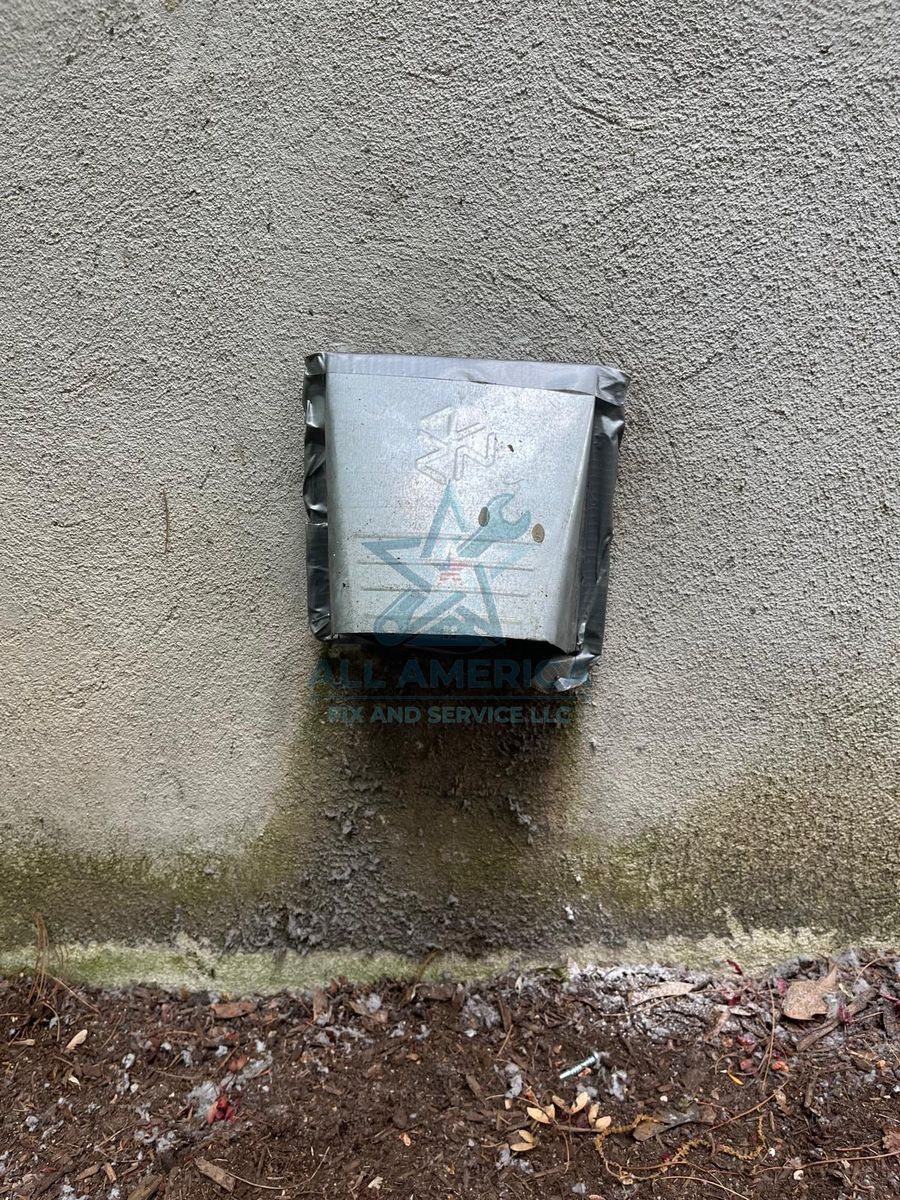
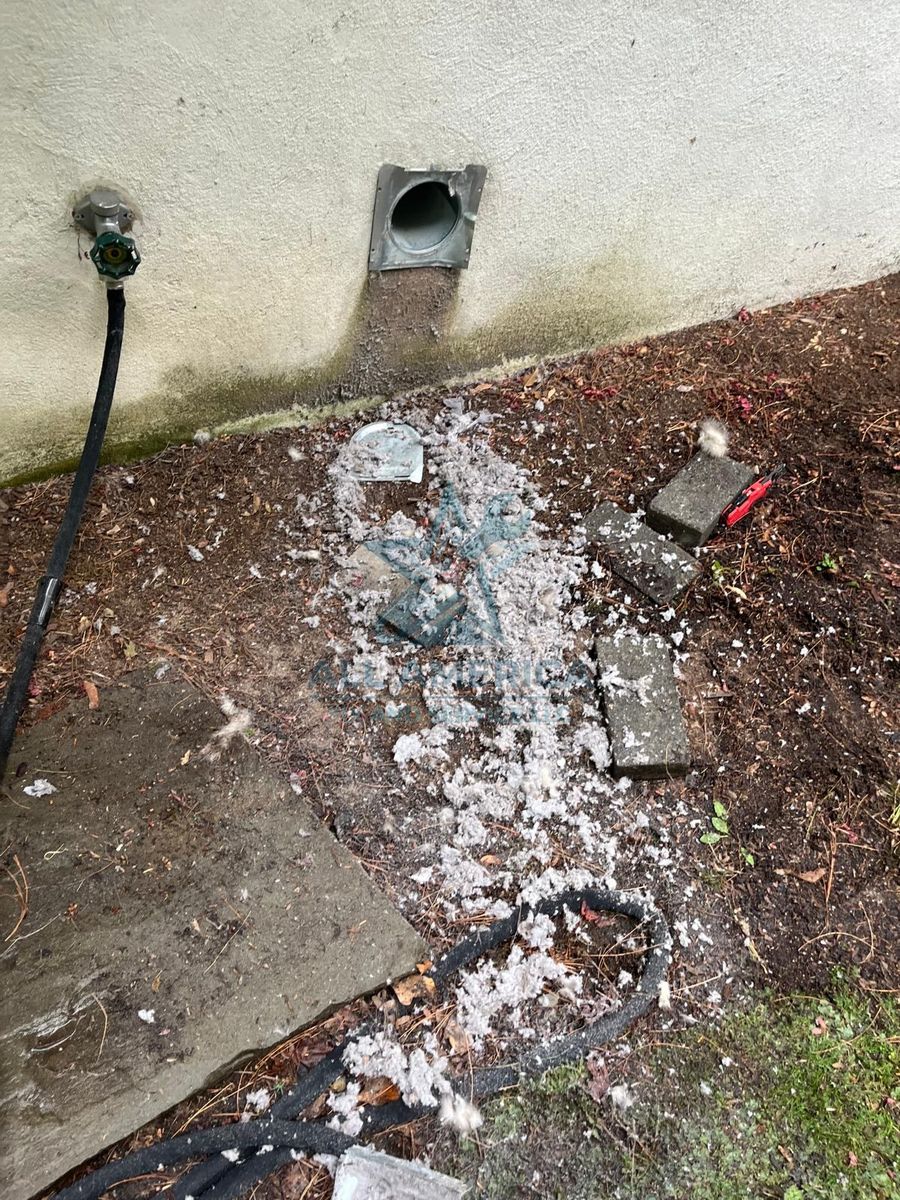
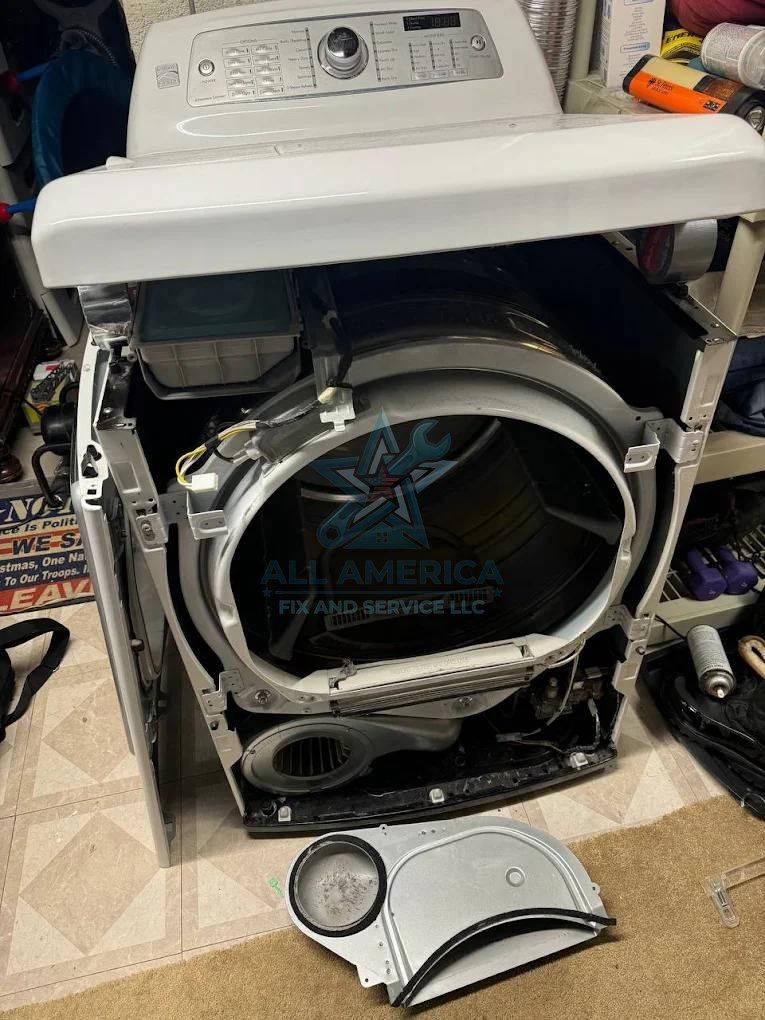
- Dryer vent cleaning — a real fire risk in homes with long or old vent runs
- Inspection for disconnected runs, torn flex duct, unsealed joints and missing insulation
- A written report of what we found, with photographs, including anything that needs a licensed trade
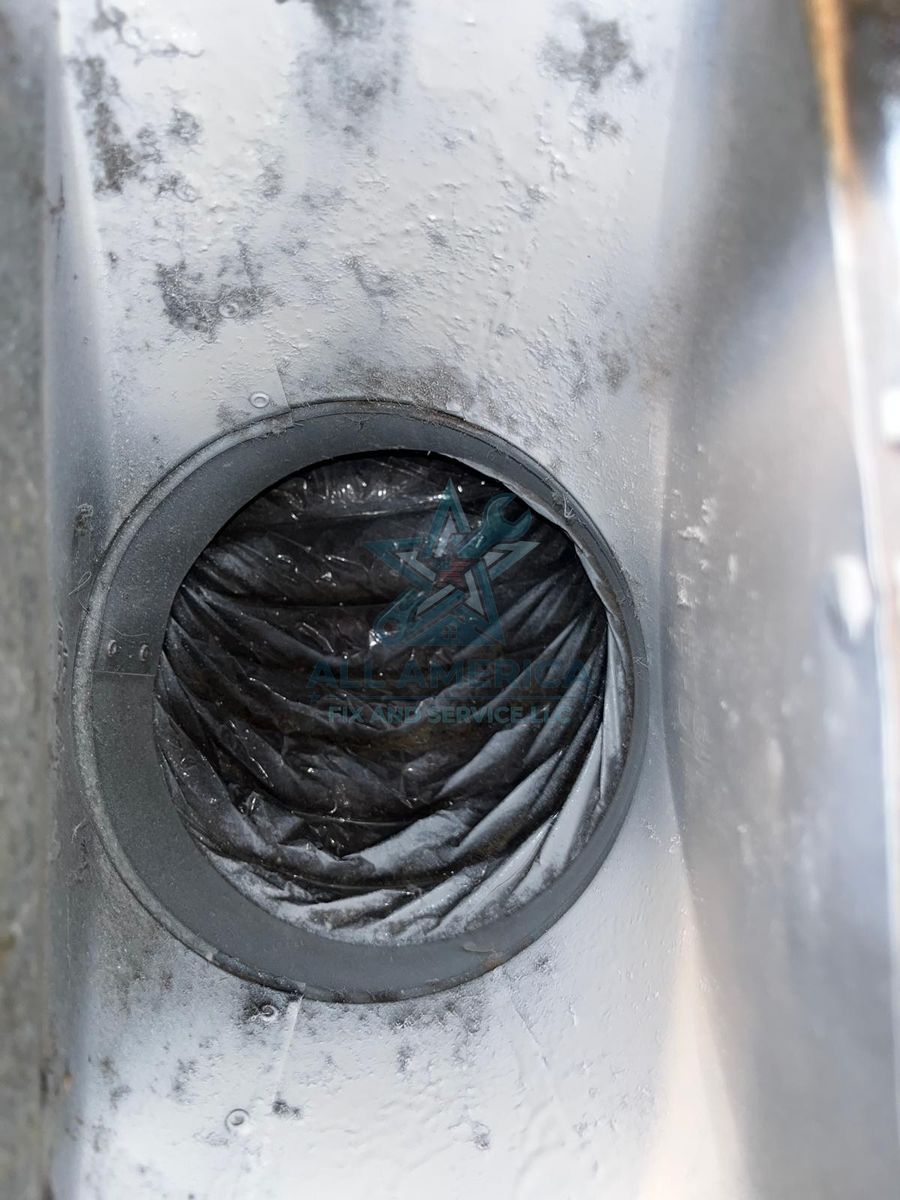
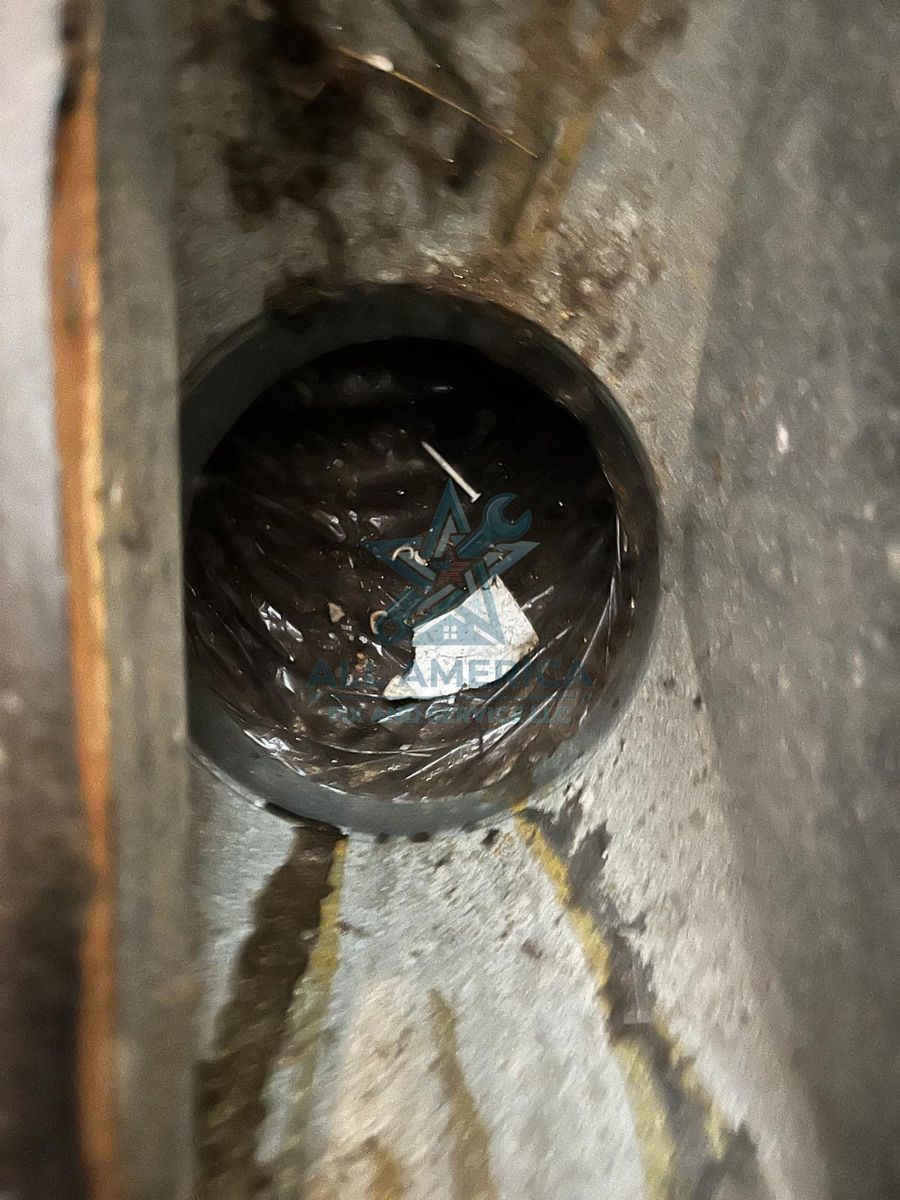
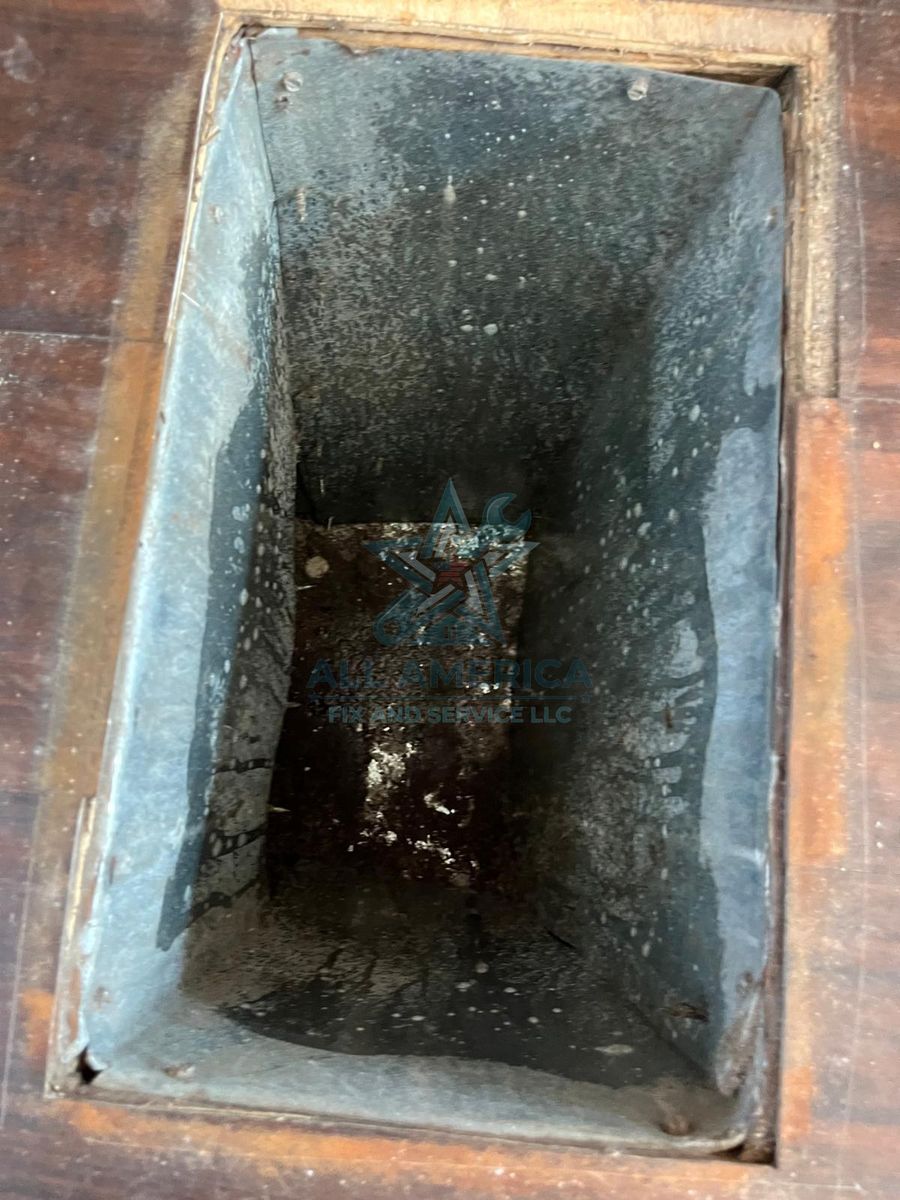
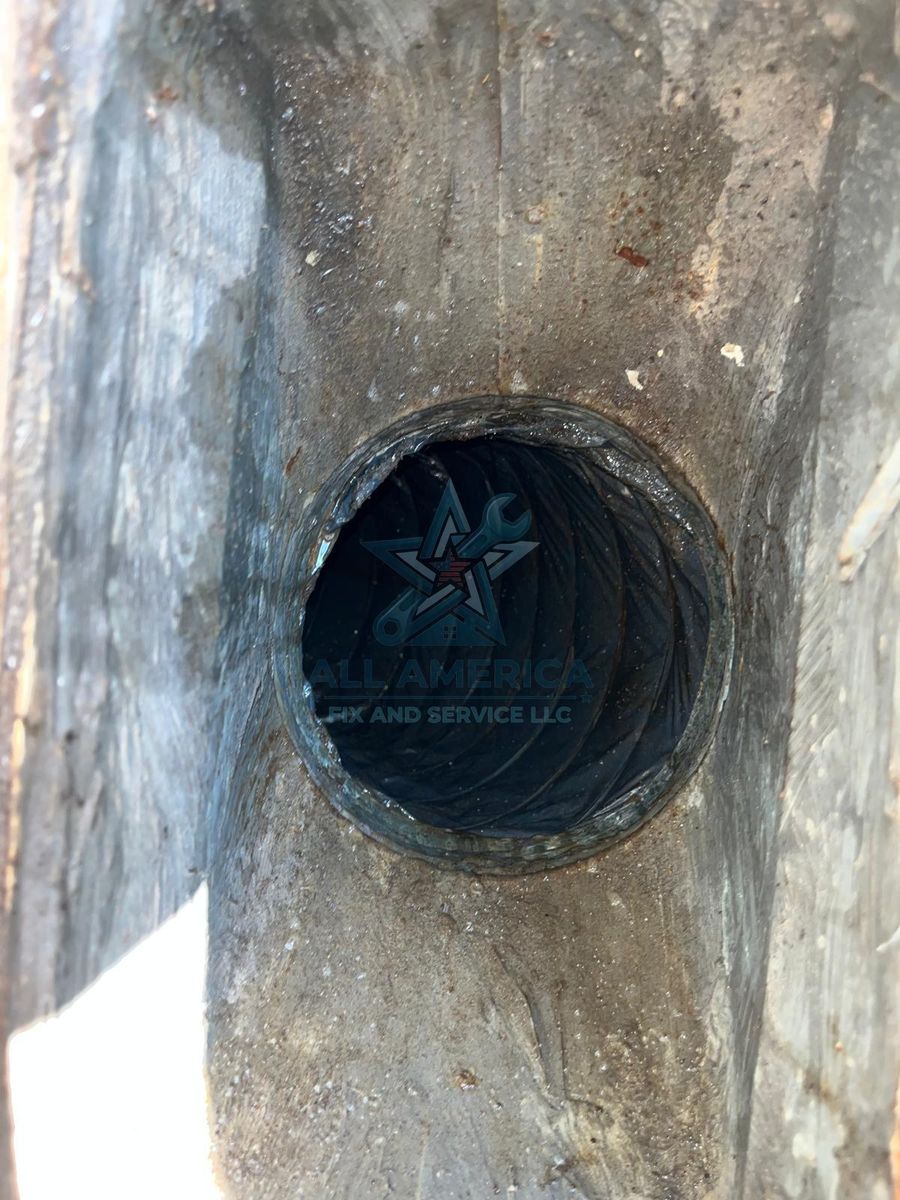
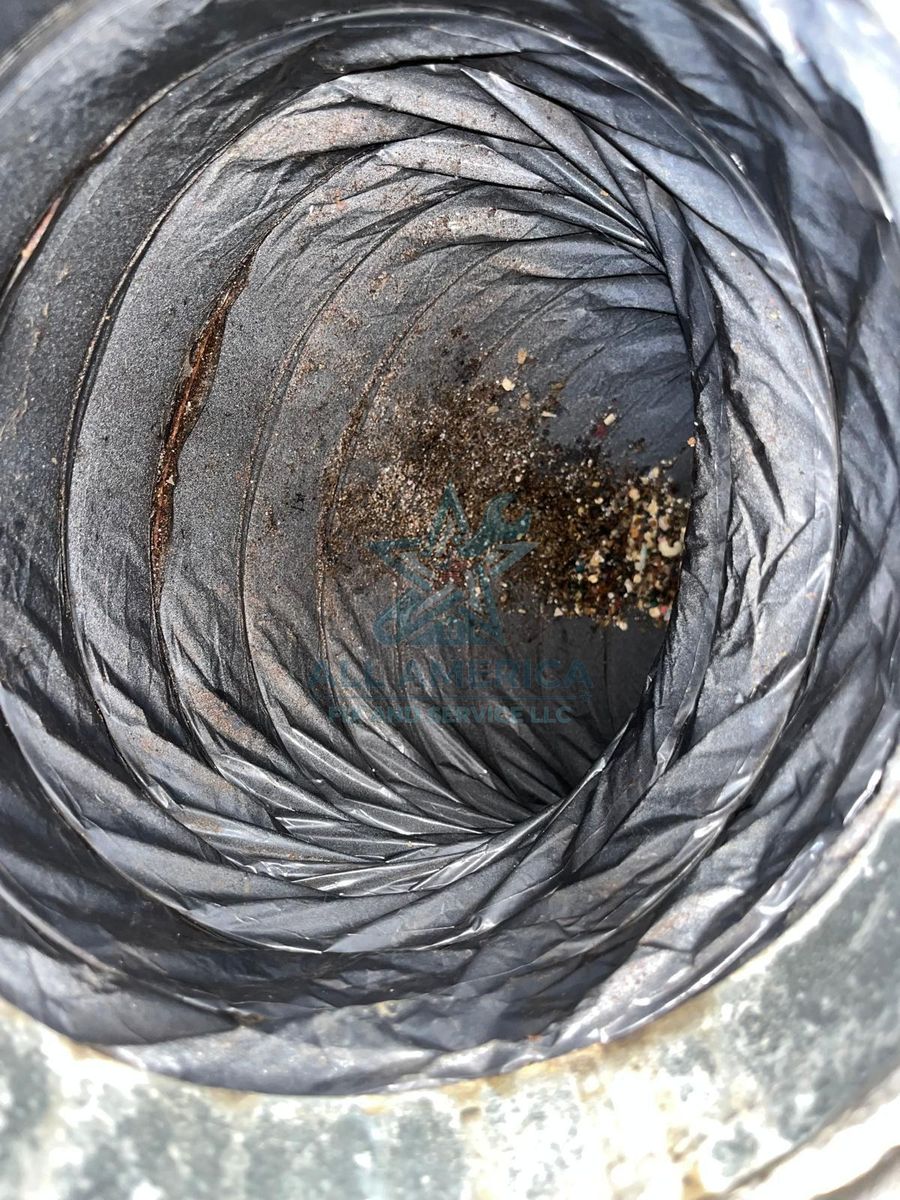
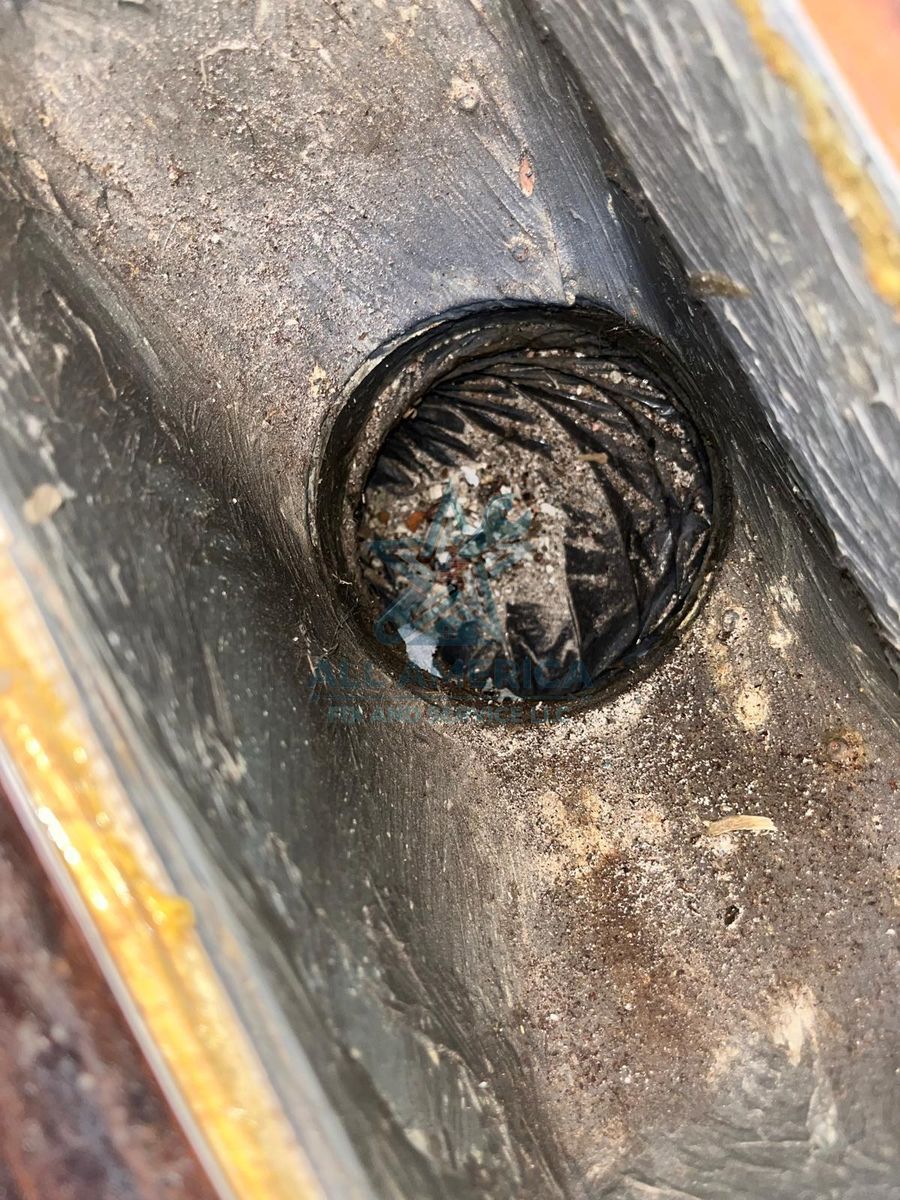
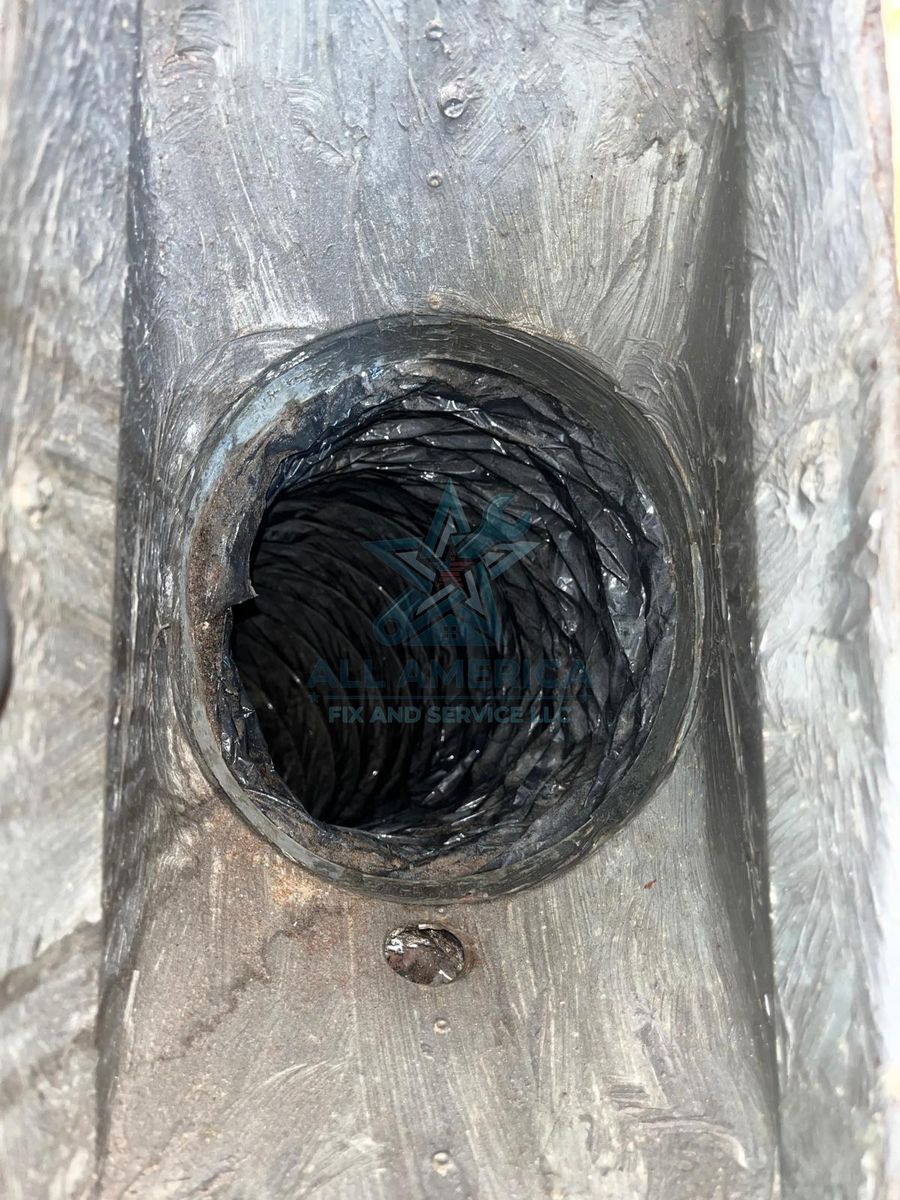
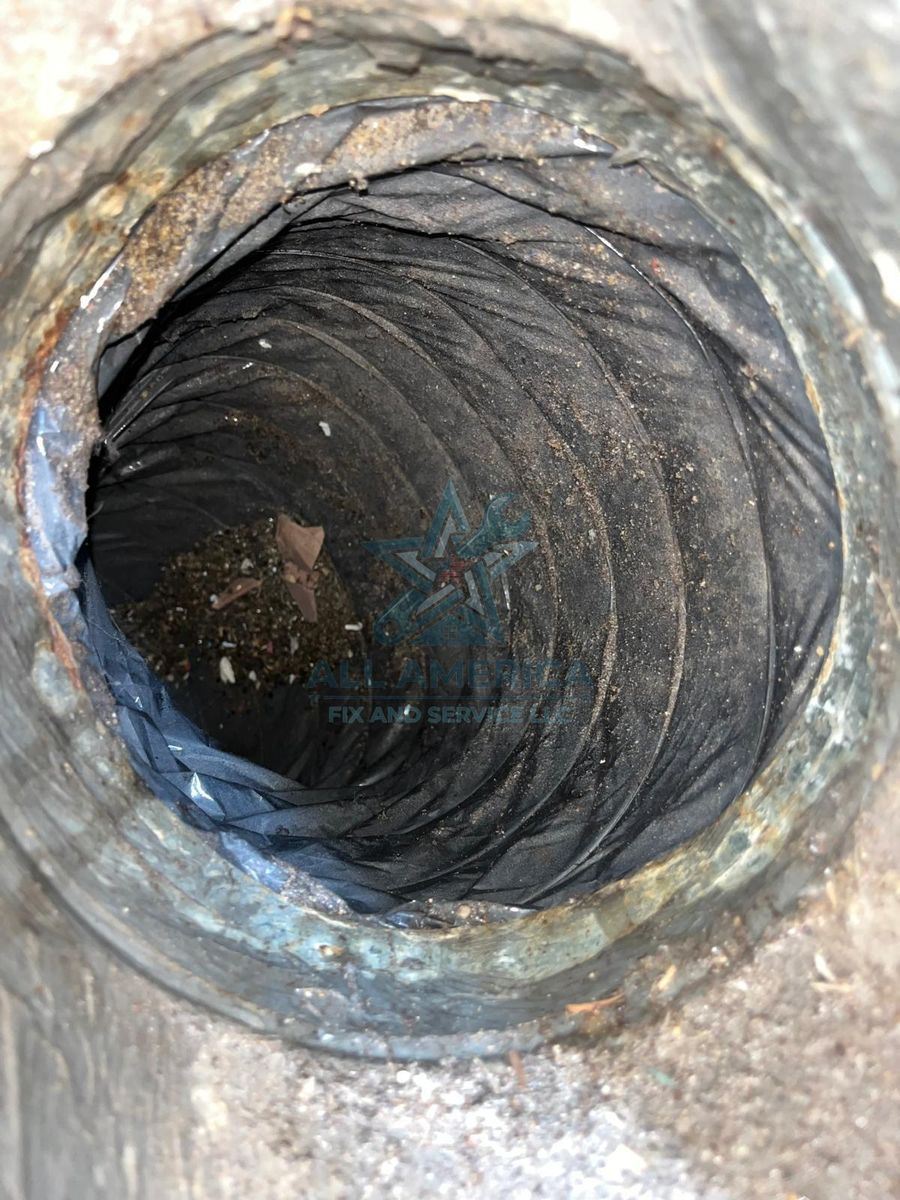
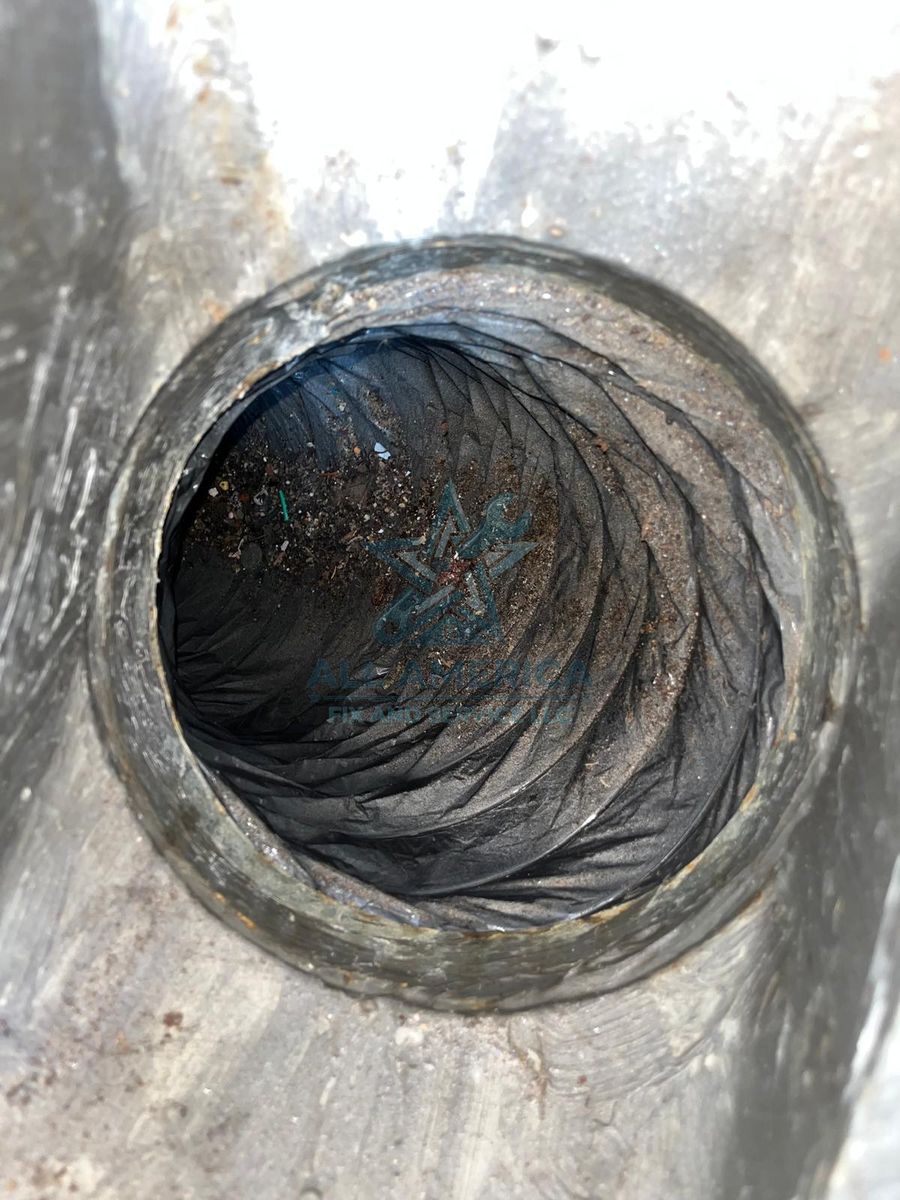
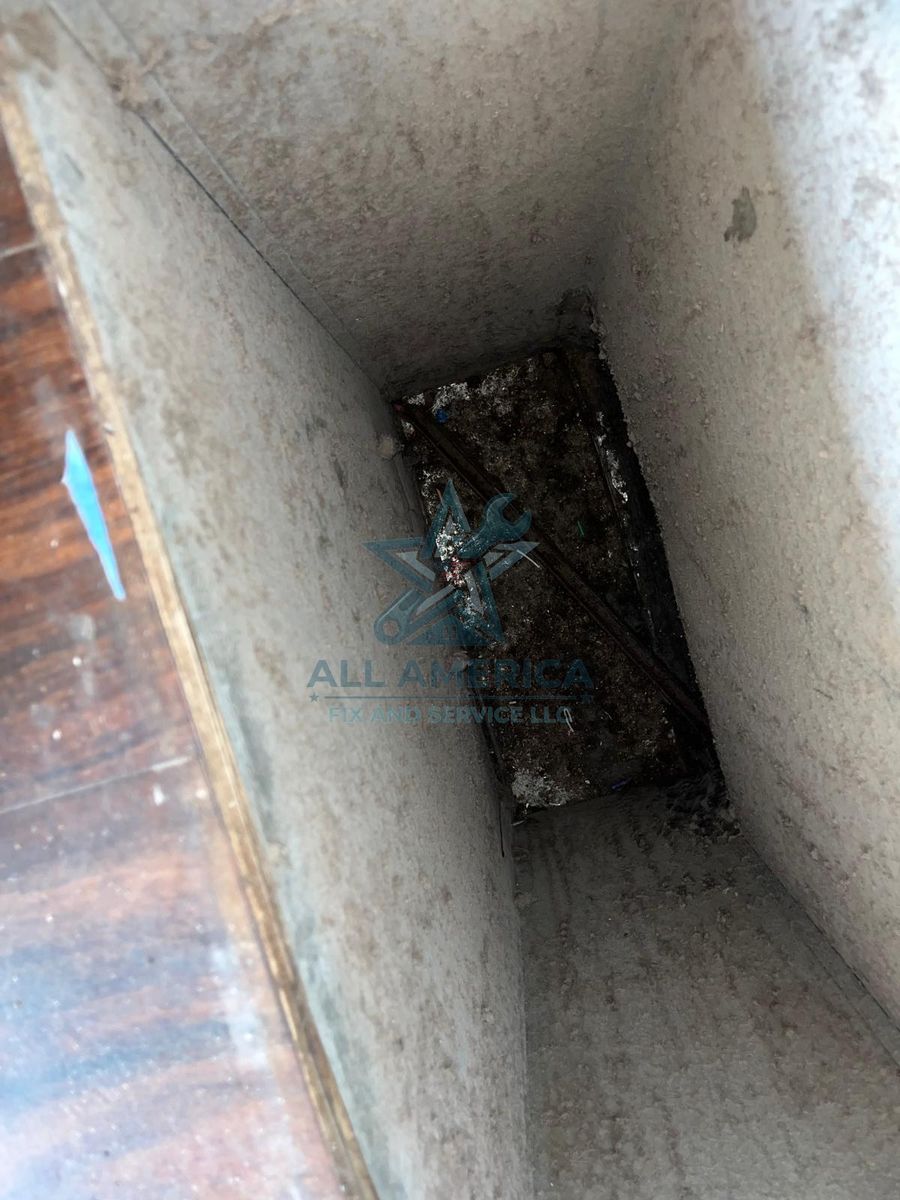
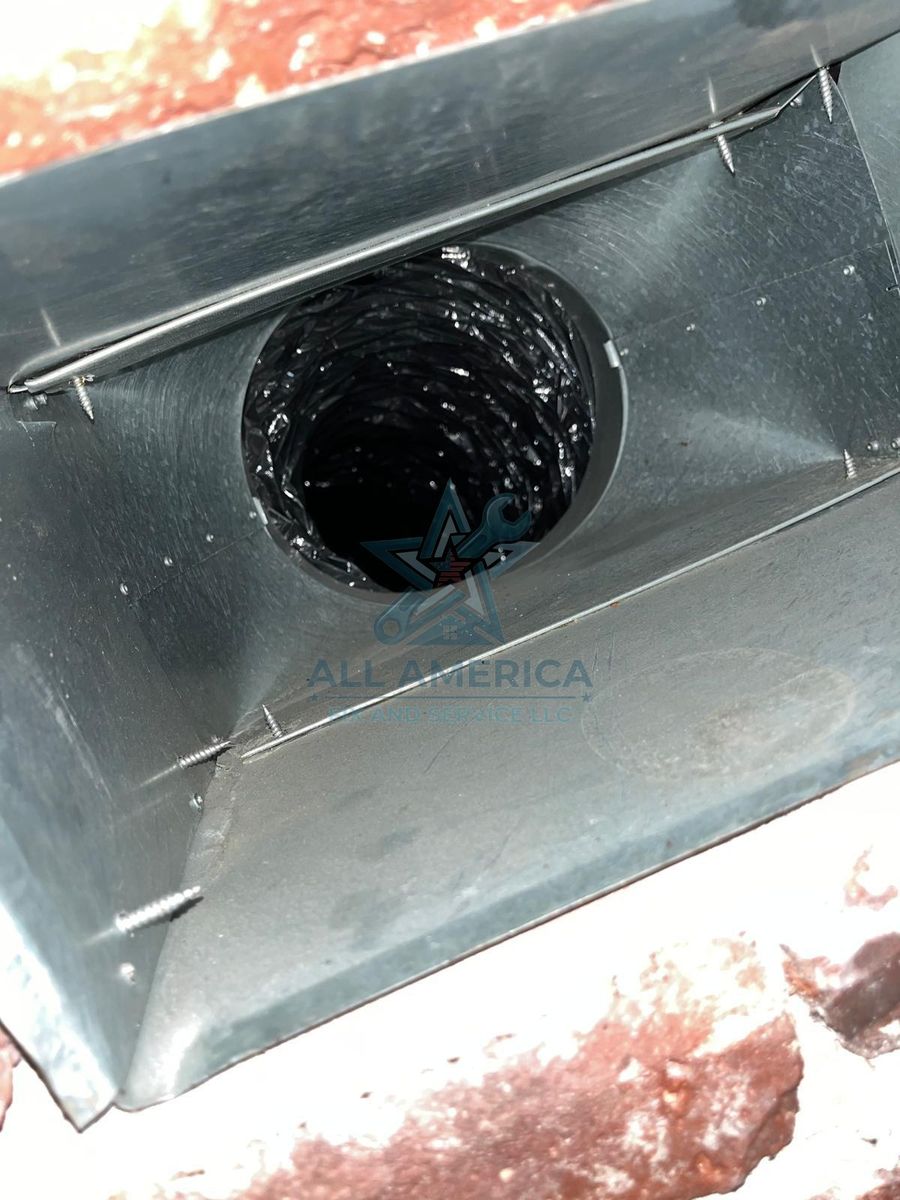
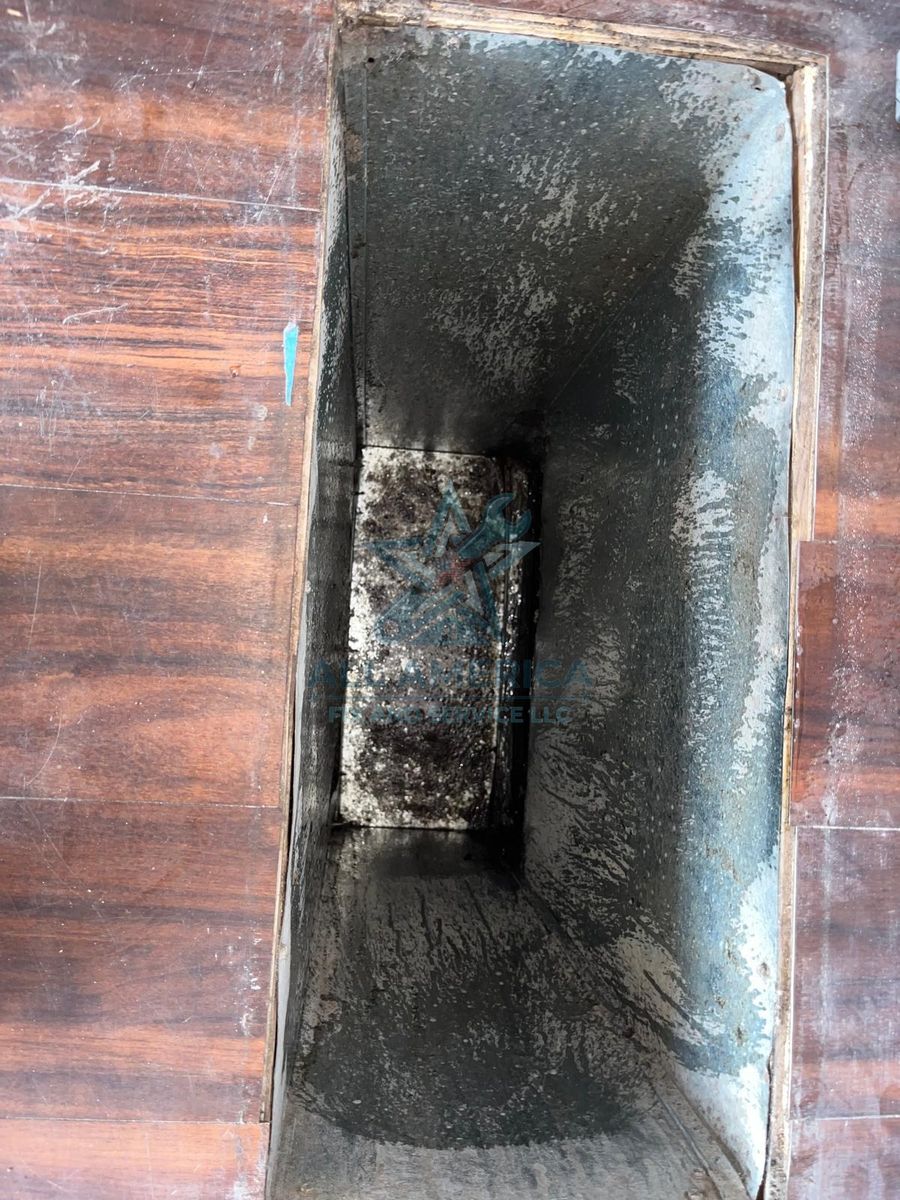
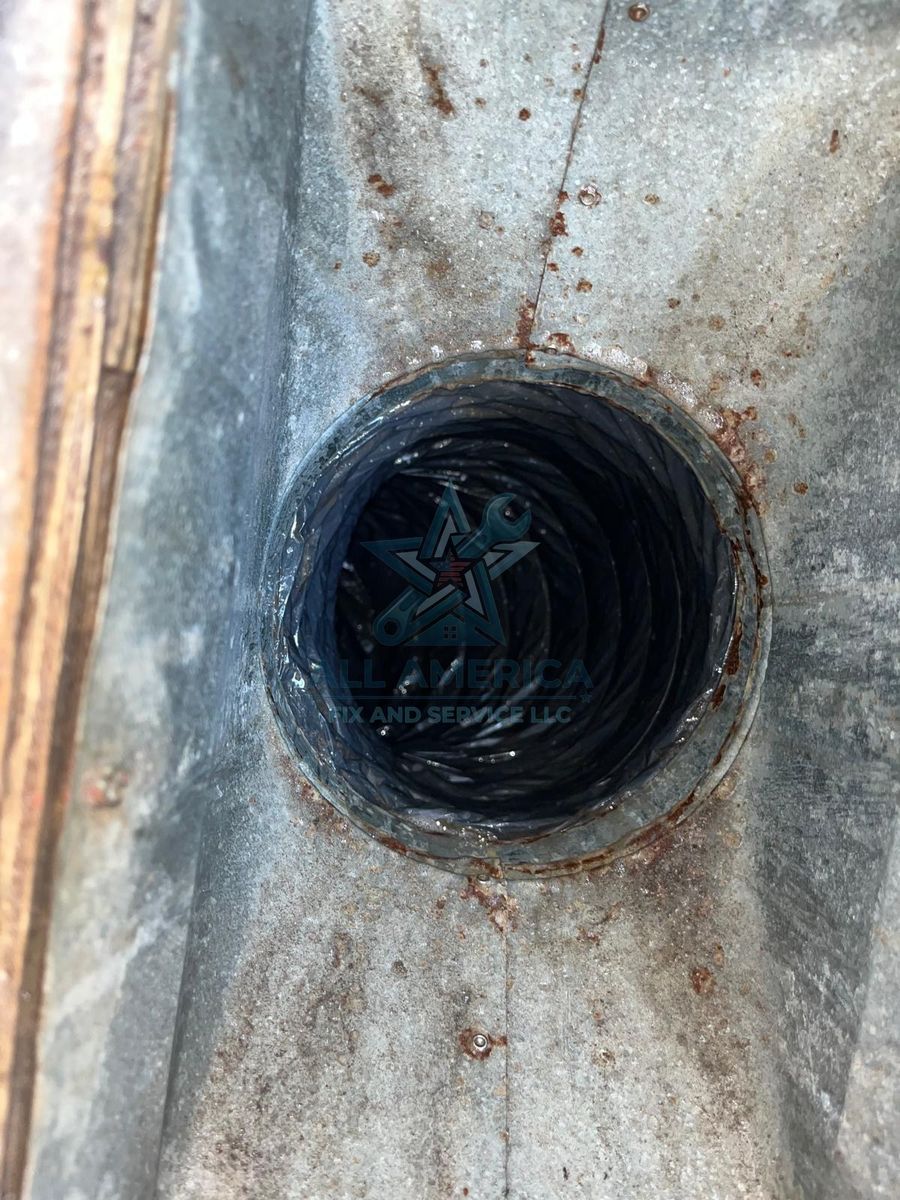
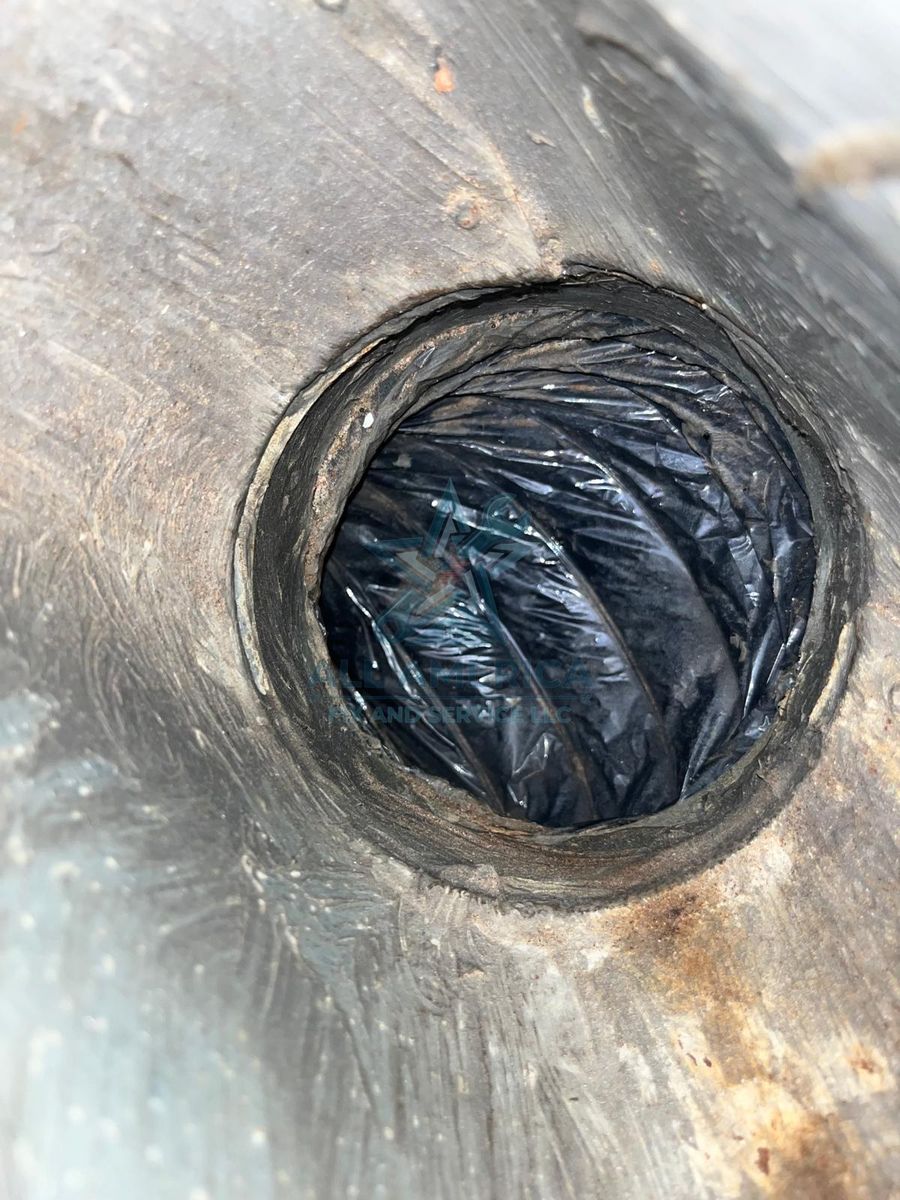
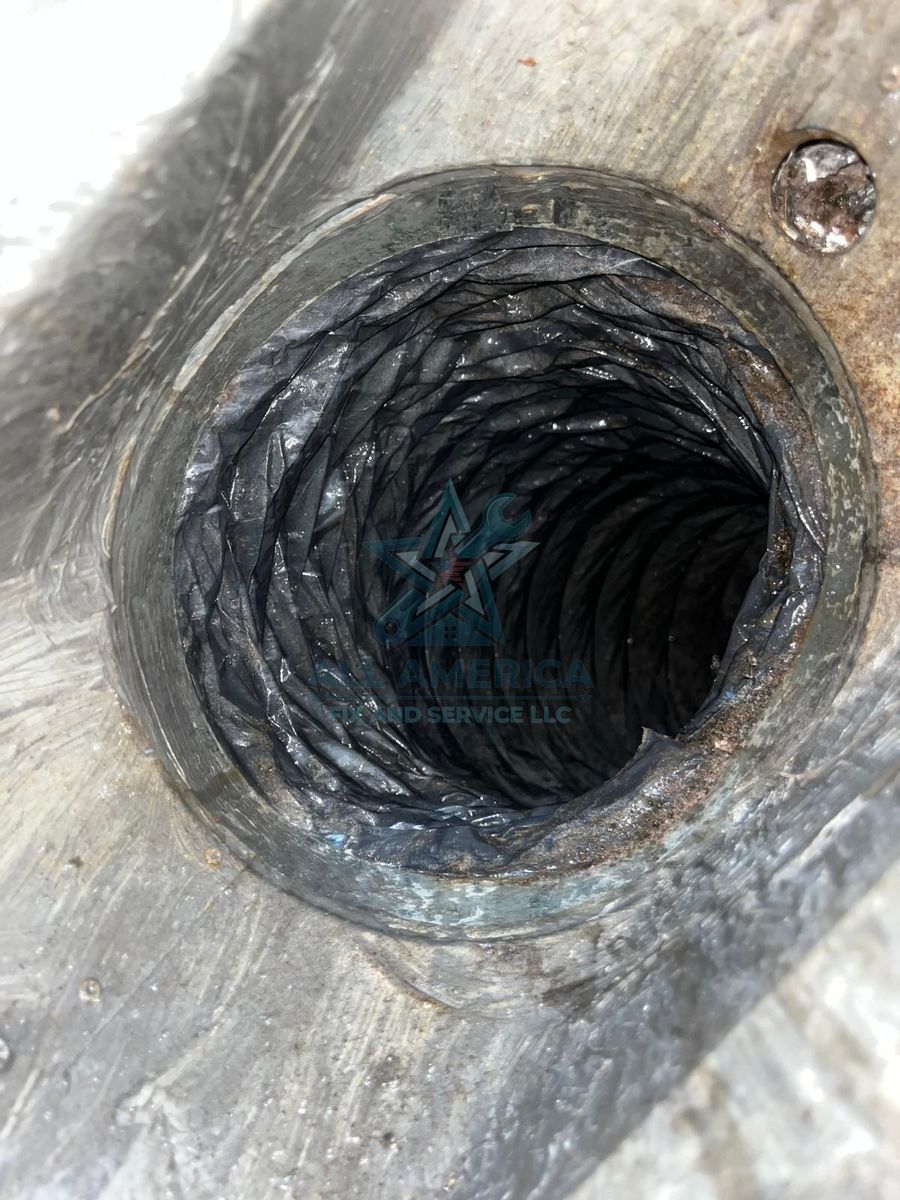
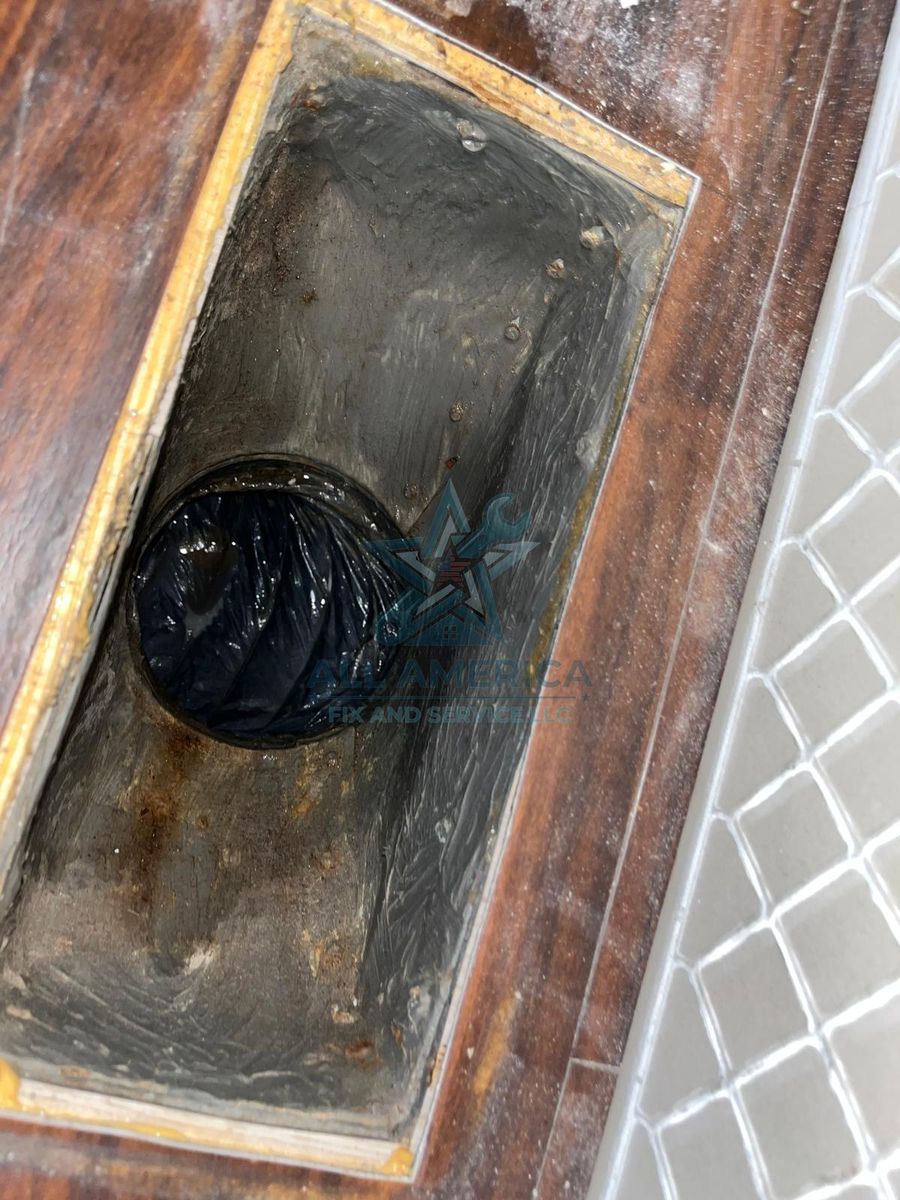
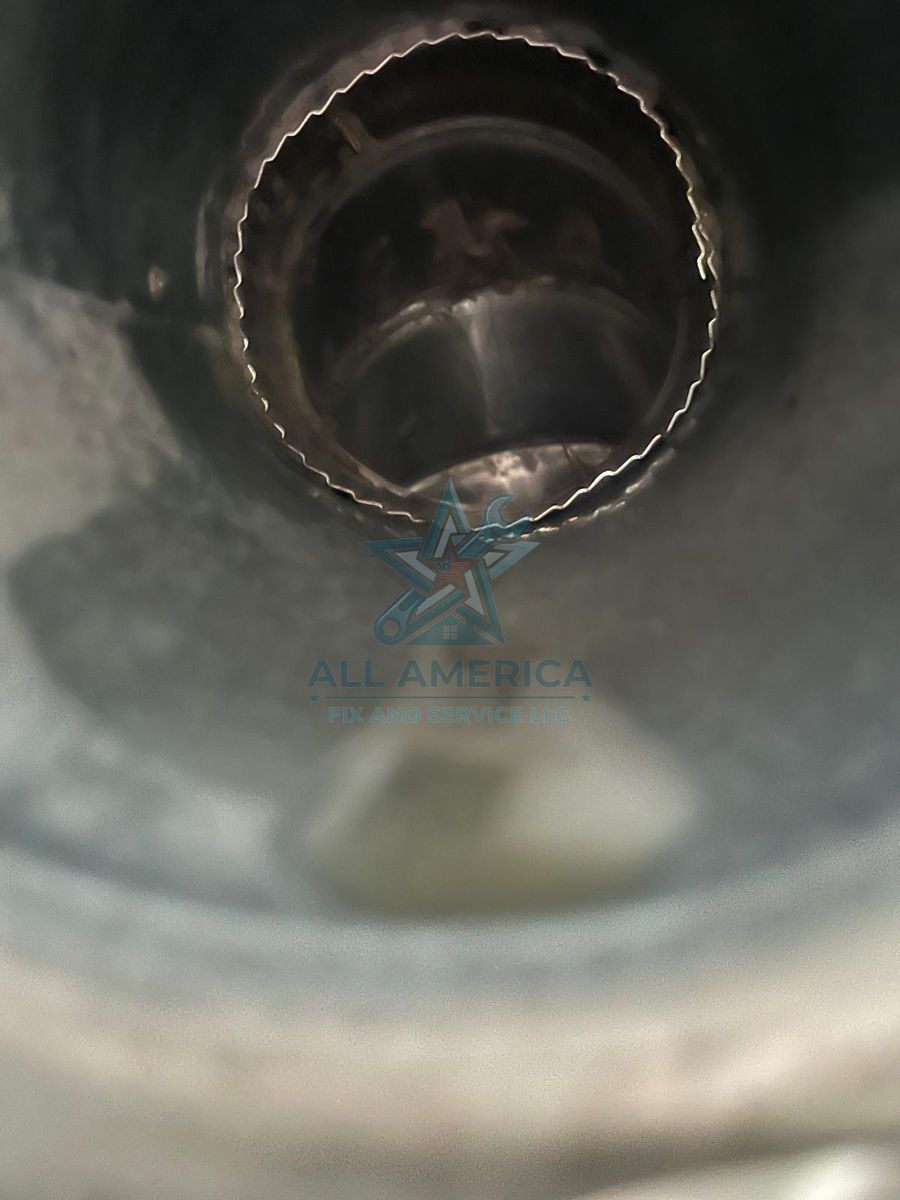
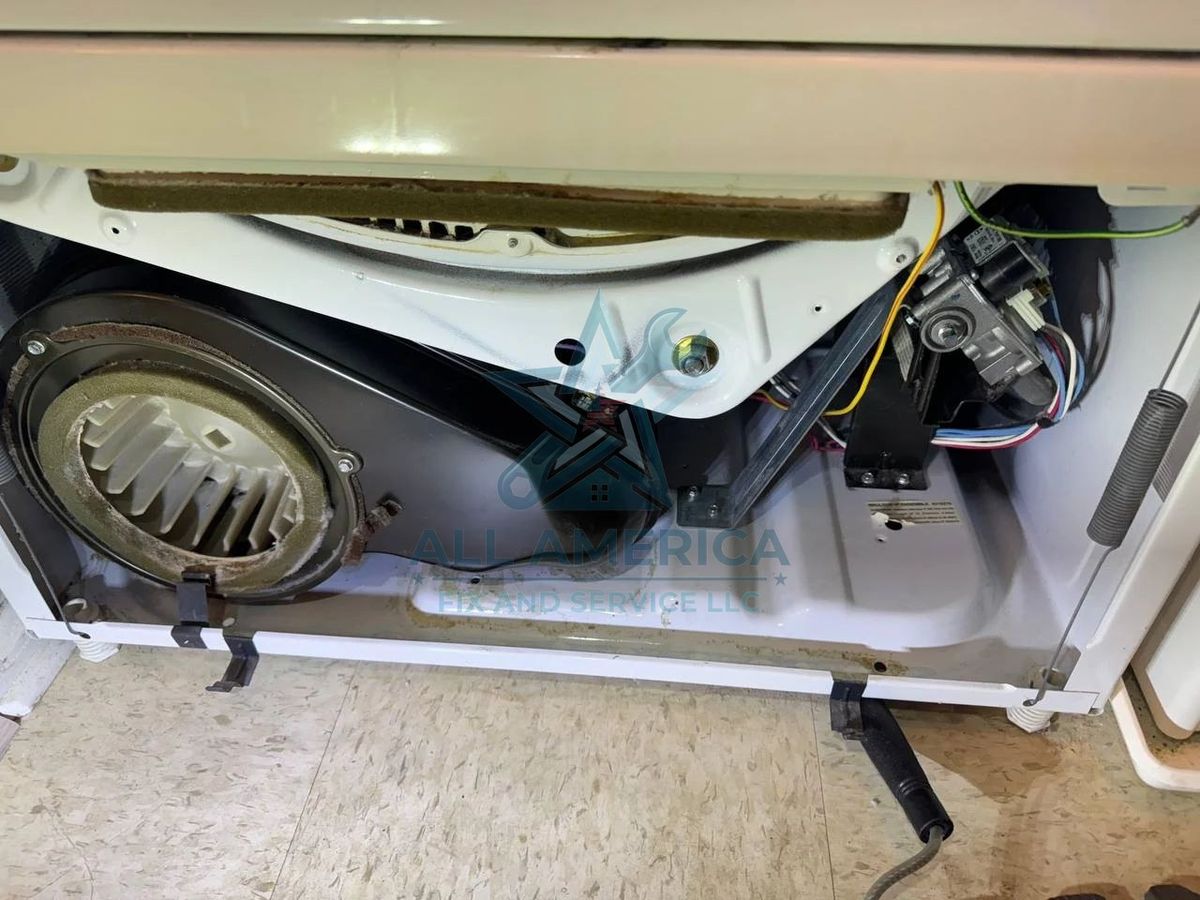
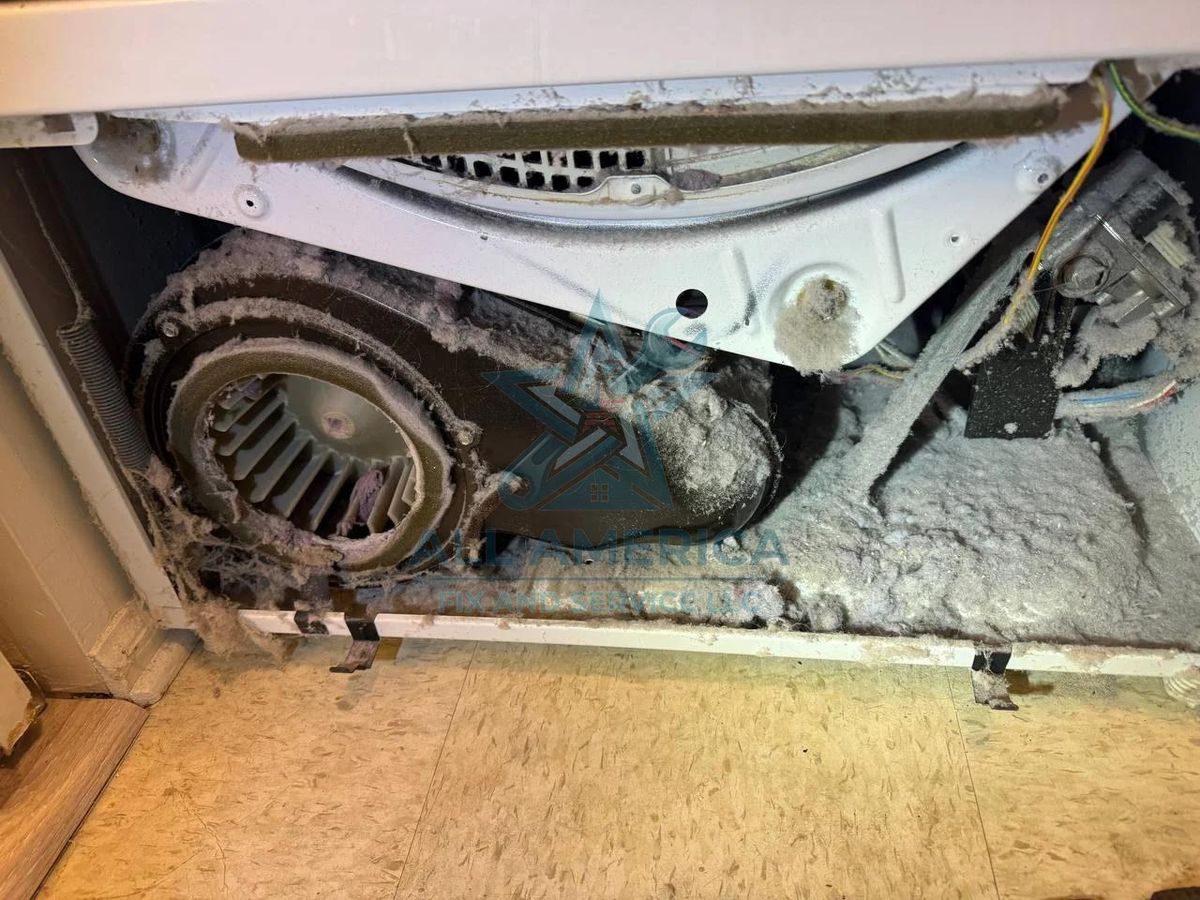
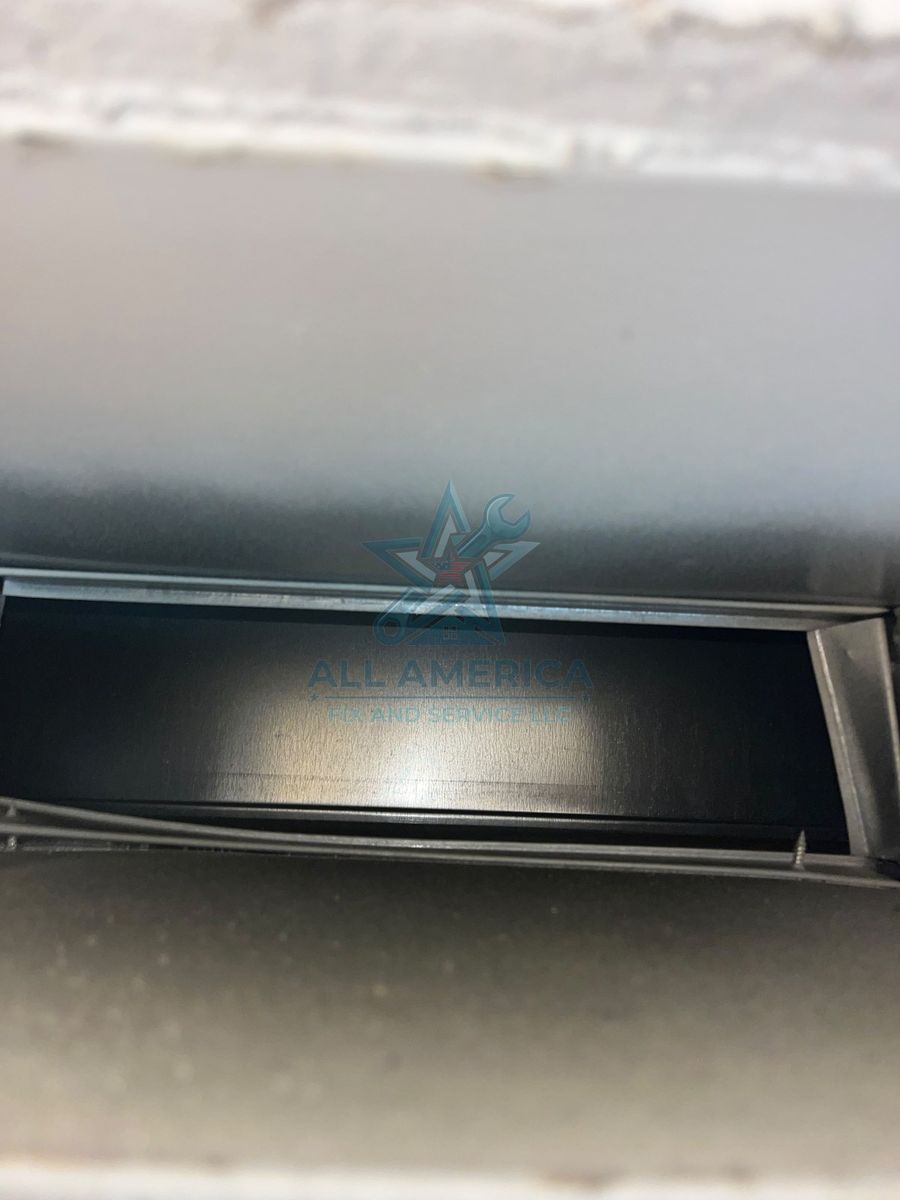
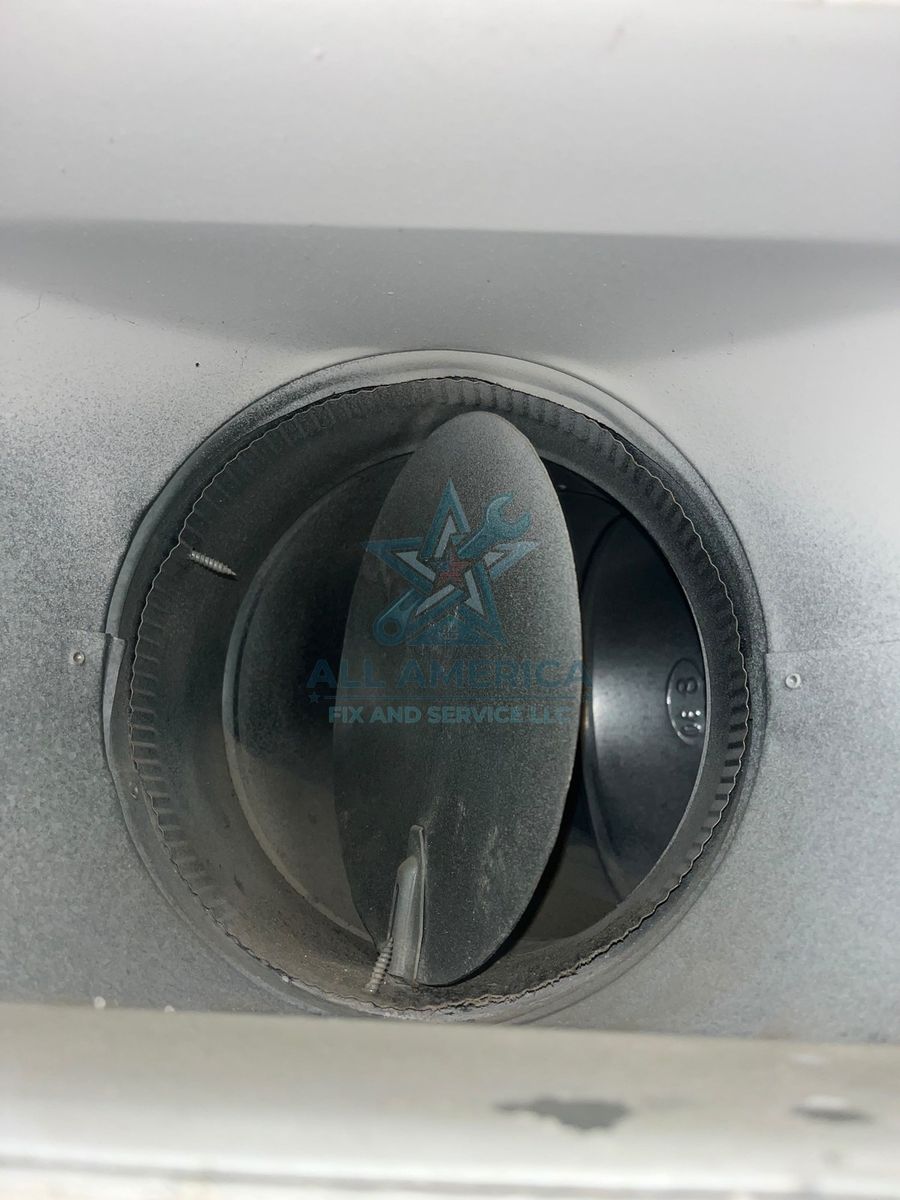
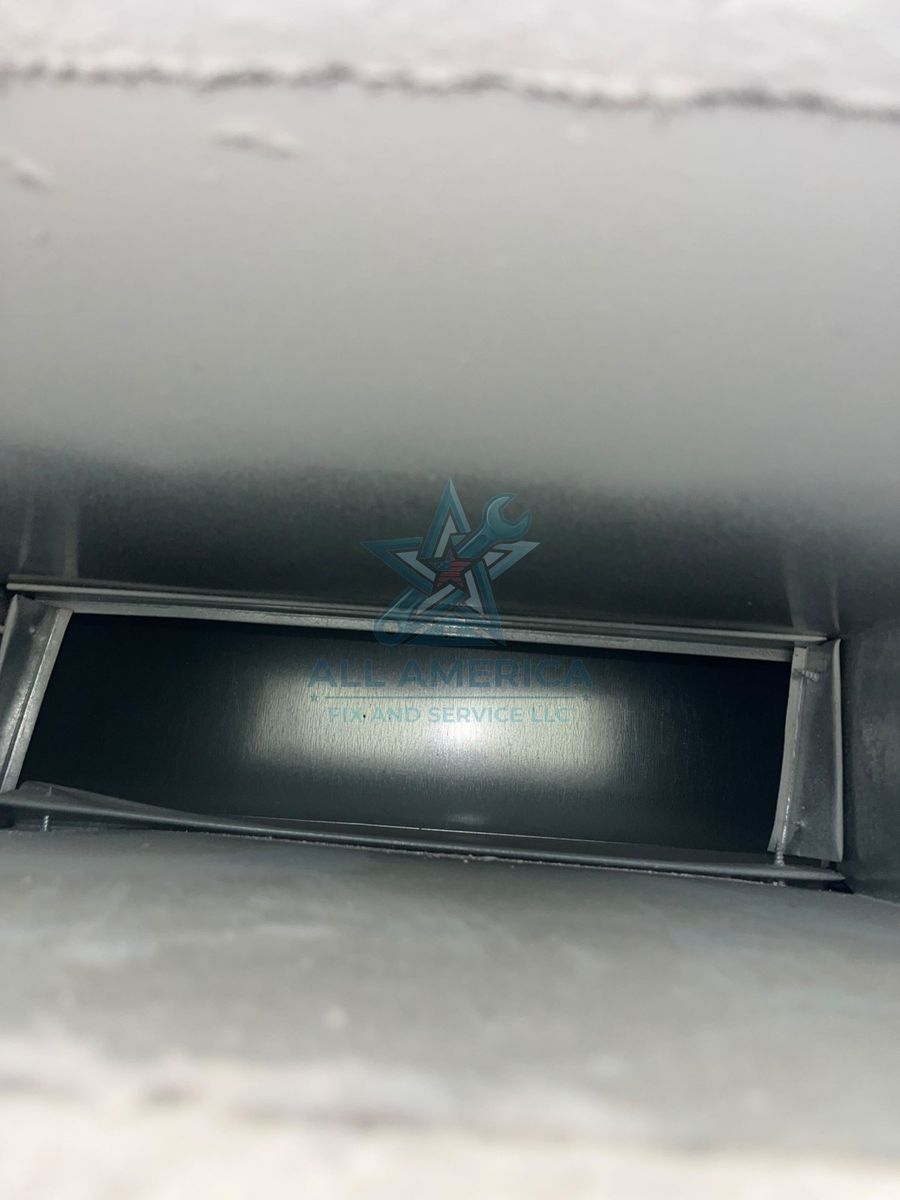
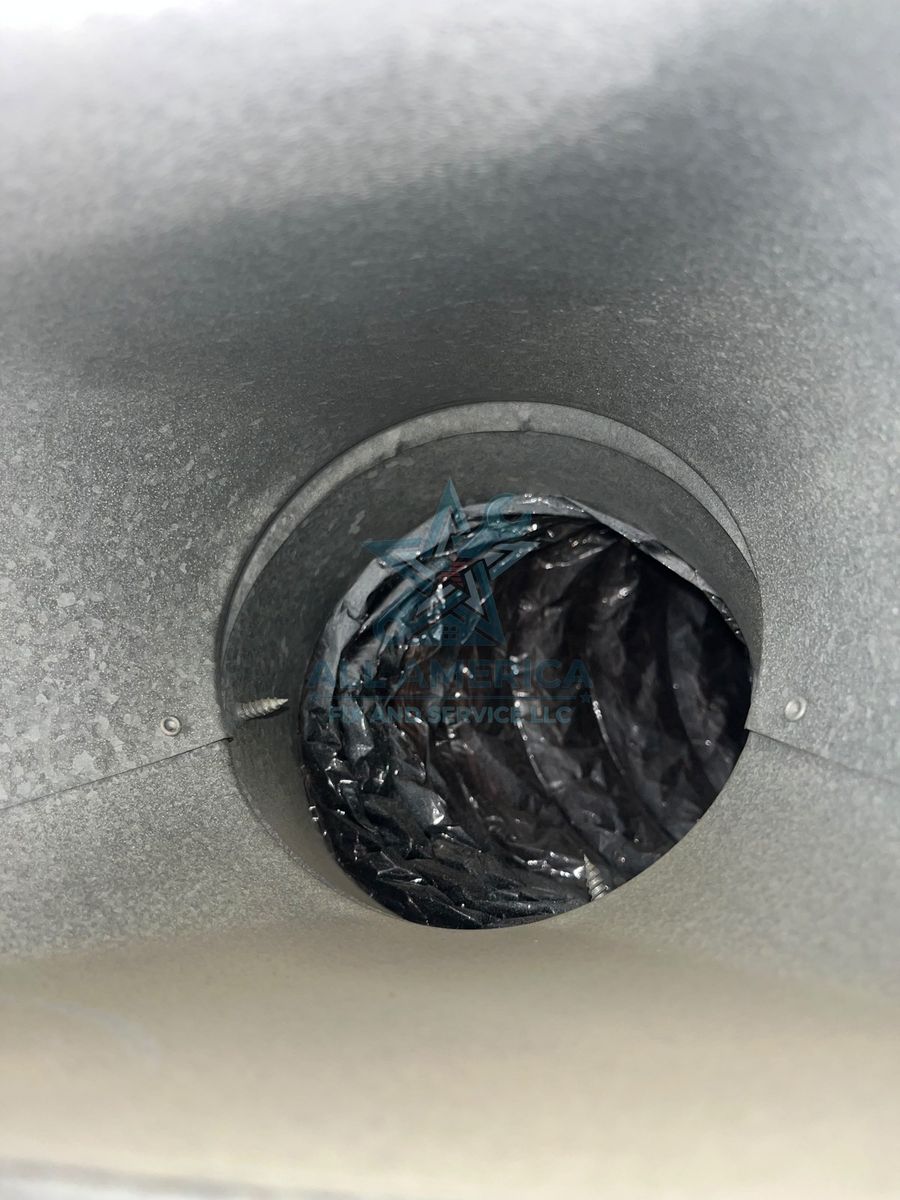
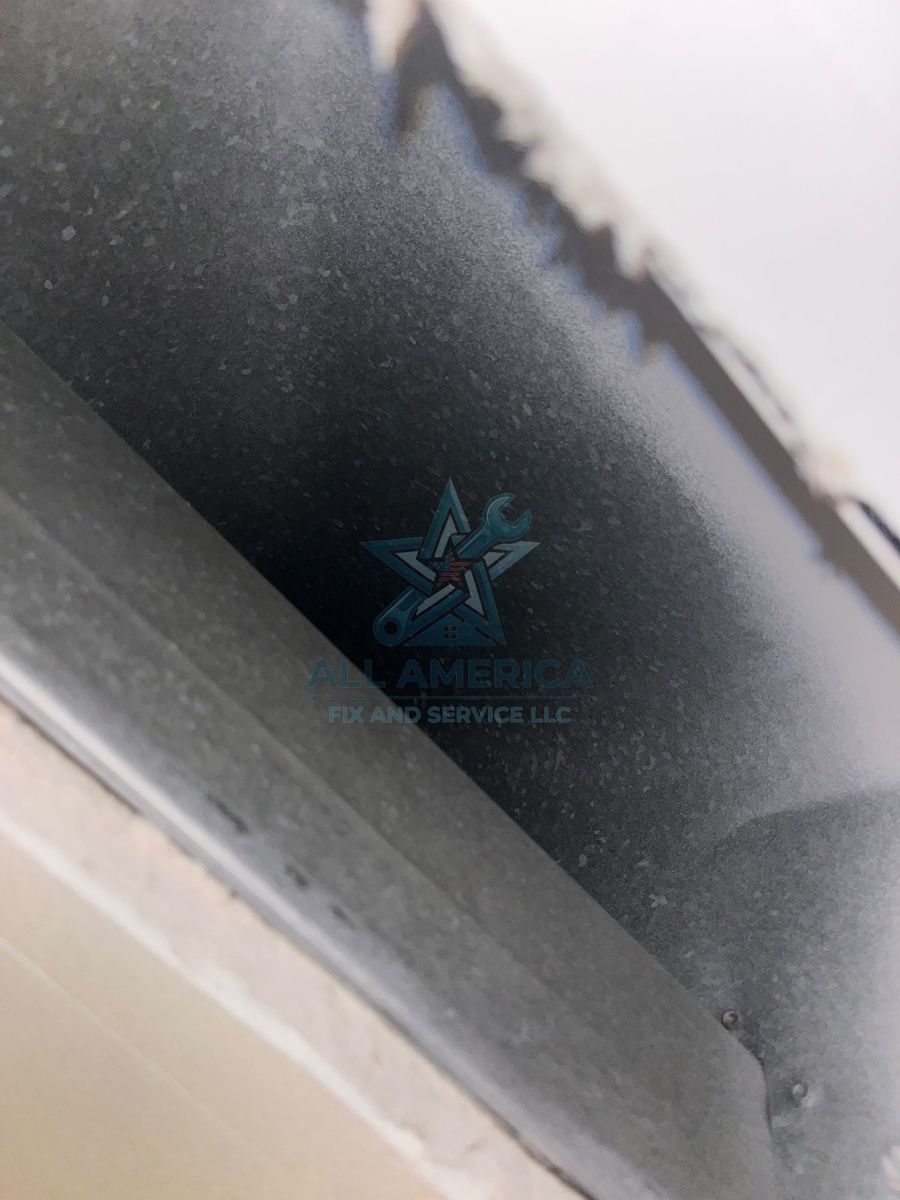
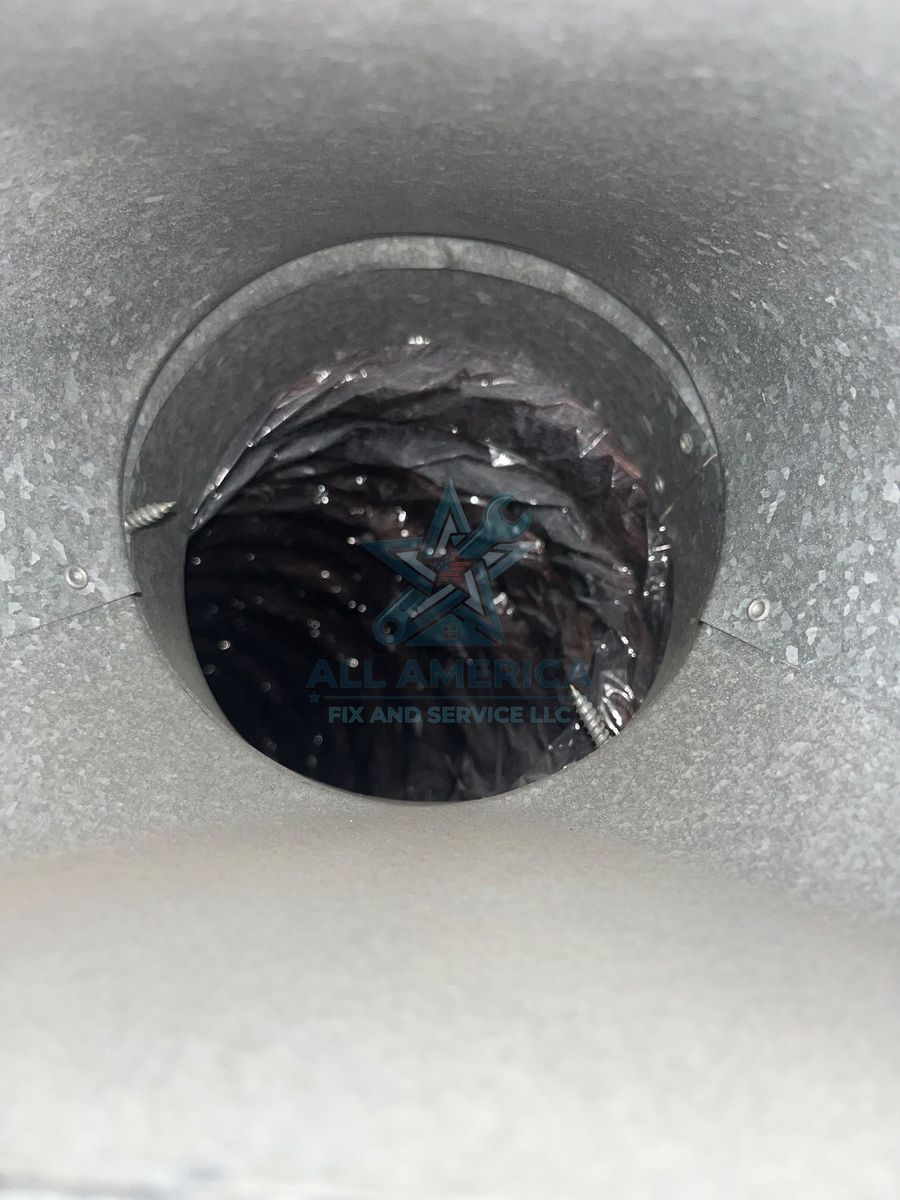
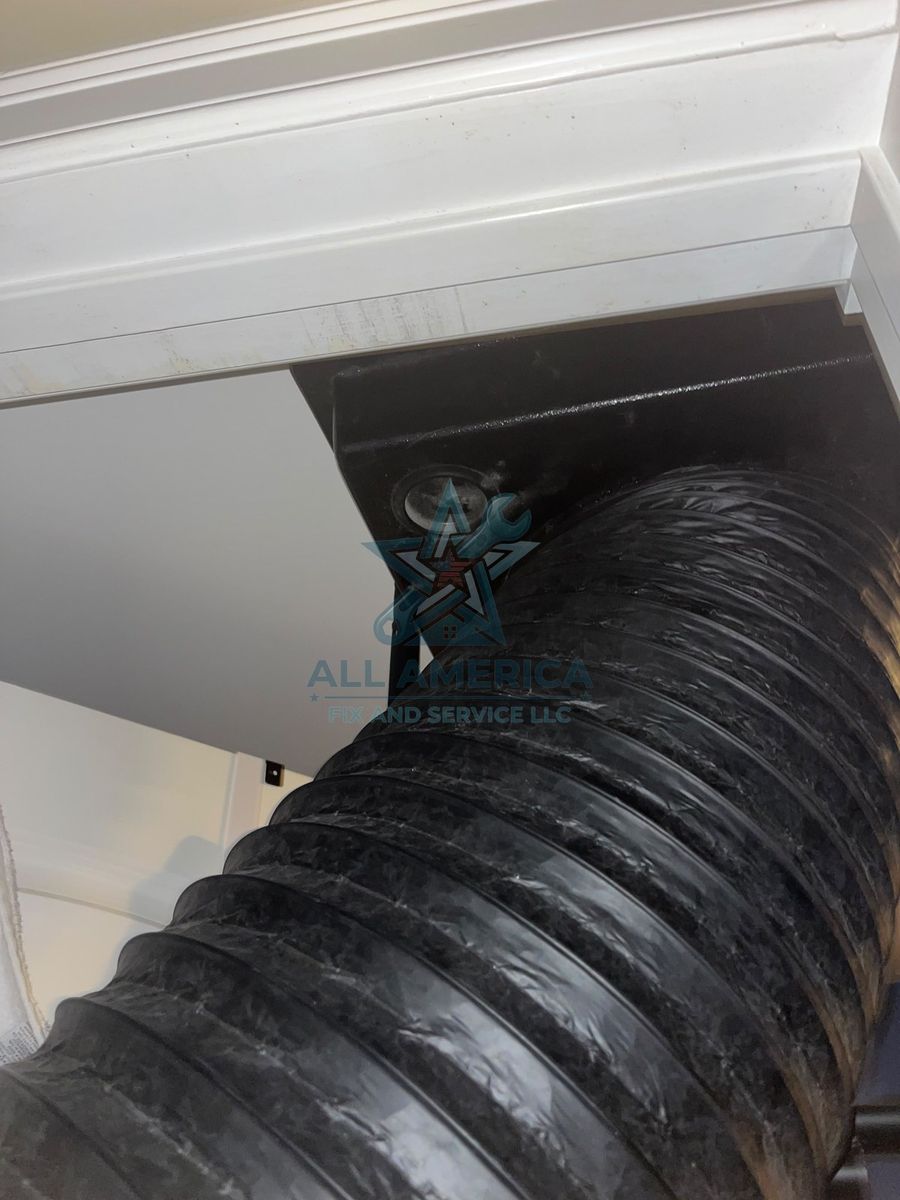
- Before-and-after photographs from inside the duct system
Why homeowners in Massachusetts call us
- We understand retrofitted duct systems in older Boston housing stock
- Mechanical cleaning with contained HEPA collection, not a shop vacuum at the register
- We check for heat loss and air leakage while we are in there, which matters at Massachusetts fuel prices
- Photographs before and after so you can judge the result yourself
- We stay inside our scope — cleaning and inspection. If a duct needs repair or the heating system needs work, we tell you and point you to the right licensed trade
- Serving Boston, Cambridge, Somerville, Quincy, Newton, Brookline, Medford, Malden and nearby towns
What affects the cost
Duct cleaning is priced by the system, not by the square foot of the house. What changes the number:
- Number of supply and return vents
- Number of separate heating or cooling systems in the building
- Total length and complexity of duct run, which is often greater in retrofitted older homes
- Accessibility — low basement ceilings and tight attic runs are slower work
- Whether dryer vent cleaning is added to the same visit
- How badly fouled the system is once the first vents come off
- Whether dryer vent cleaning is added to the same visit
Every quote is free and specific to your property — we do not price this kind of work over the phone without understanding what is actually there.
Our air duct work
Frequently asked questions
How often should ducts be cleaned in a Massachusetts home?
Every three to five years suits most homes here. Sooner if you have had renovation work, water intrusion in the basement, visible mold, rodent activity, or if the system was newly installed into an older house where construction dust got into the runs.
Why does my house smell musty when the heat turns on?
That is one of the most common calls we get in this area, and the usual cause is ductwork running through a damp basement with unsealed joints. The system draws basement air in through those gaps and distributes it upstairs. Cleaning helps, but sealing the leaks — which is licensed sheet metal work we refer out — is what actually solves it.
My ducts are leaking. Can you seal them?
No — duct sealing, repair and insulation are licensed sheet metal work in Massachusetts and we do not do them. What we will do is photograph the leaking joints, torn flex and missing insulation while the system is open, hand you the pictures, and tell you to bring in a licensed contractor. Leaking runs through an unheated basement or attic do lose heat you have already paid for, so it is usually worth fixing — just not by us.
How long does the work take?
A typical single-system home is usually a half day. Larger homes, multi-unit buildings and homes with more than one system take longer. Retrofitted duct runs in older houses are often more complicated than they look from the register.
Do you clean dryer vents?
Yes, and in older Boston-area homes it is often overdue. Long vent runs through basements and exterior walls collect lint, and lint in a hot vent is a genuine fire hazard. Clothes taking two cycles to dry is the usual first sign.
Will you tell me if my ducts do not need cleaning?
Yes. We inspect before quoting, and if the system is clean we will say so and charge you nothing for the look. We would rather have that conversation than sell an unnecessary job.
See what is inside your duct system
Free inspection, photographs from inside the ducts, and an honest answer on whether a cleaning is actually worth it for you.