A chimney in New England works harder than a chimney almost anywhere else. Long heating seasons, wet winters and a housing stock where plenty of flues were built before anyone had heard of a liner add up to creosote, blockages and draft problems. We sweep and clean chimneys and flues across Greater Boston — open fireplaces, wood stoves and inserts, and oil and gas appliance flues — and we tell you honestly what we find inside.
Creosote is the reason this job exists. Every time wood burns, unburned particles and moisture condense on the inside of a cool flue and harden into a tar-like deposit. In its early stage it brushes off. Left another season or two it glazes into a shiny black layer that is difficult to remove and burns extremely hot if it ignites. A chimney fire in a glazed flue is not a small event — it can crack tile liners and spread into the framing around the chase.
How often you need a sweep depends on how you burn, not on the calendar. A fireplace used a few evenings a winter is a different animal from a wood stove that is the primary heat source from November to April. Burning unseasoned wood, running a stove damped down low for long overnight burns, and an oversized flue that never gets properly warm all accelerate the build-up. As a general rule, an actively used wood-burning appliance wants an annual sweep and inspection before the heating season, and we will tell you after the first visit whether your pattern of use justifies more or less.
Oil and gas flues get overlooked because they do not produce creosote, but they still need attention. Oil appliances leave a fine, acidic soot that packs down and restricts the flue, and both oil and gas flues are vulnerable to blockage from nesting birds, fallen liner material and spalled masonry. A blocked flue on a gas or oil appliance is a carbon monoxide problem, which is why we look at these even though nothing burns wood in them.
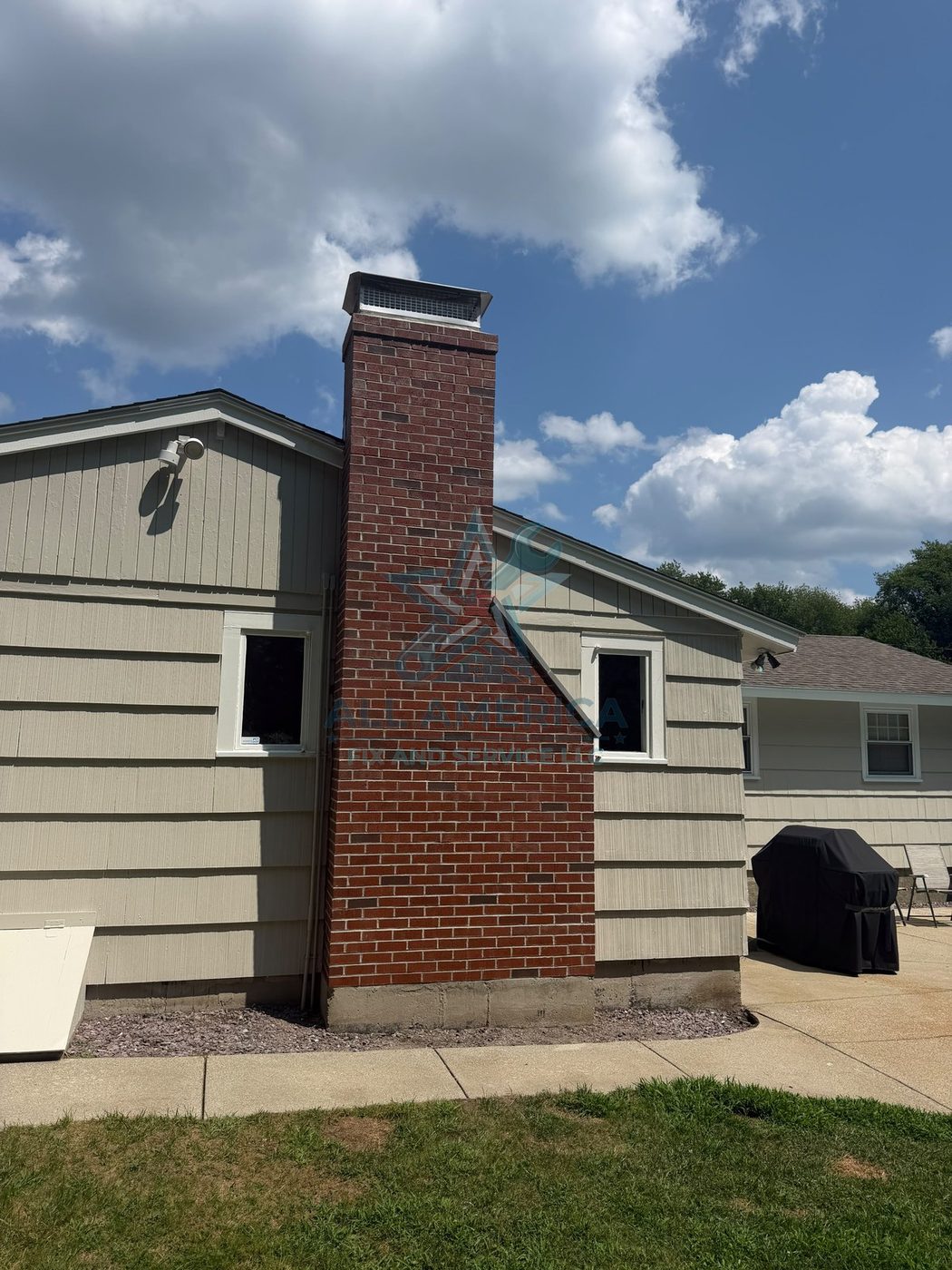
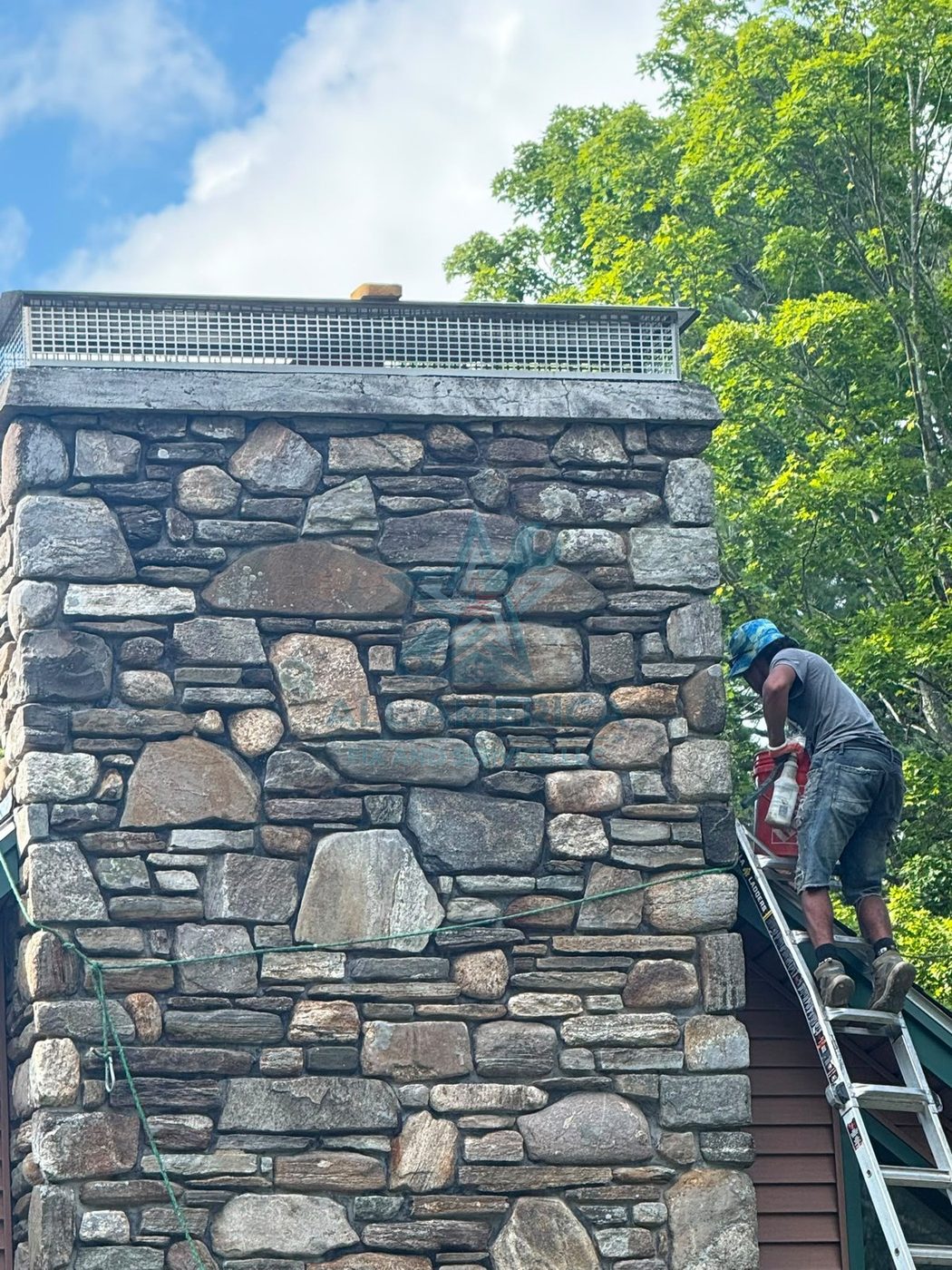
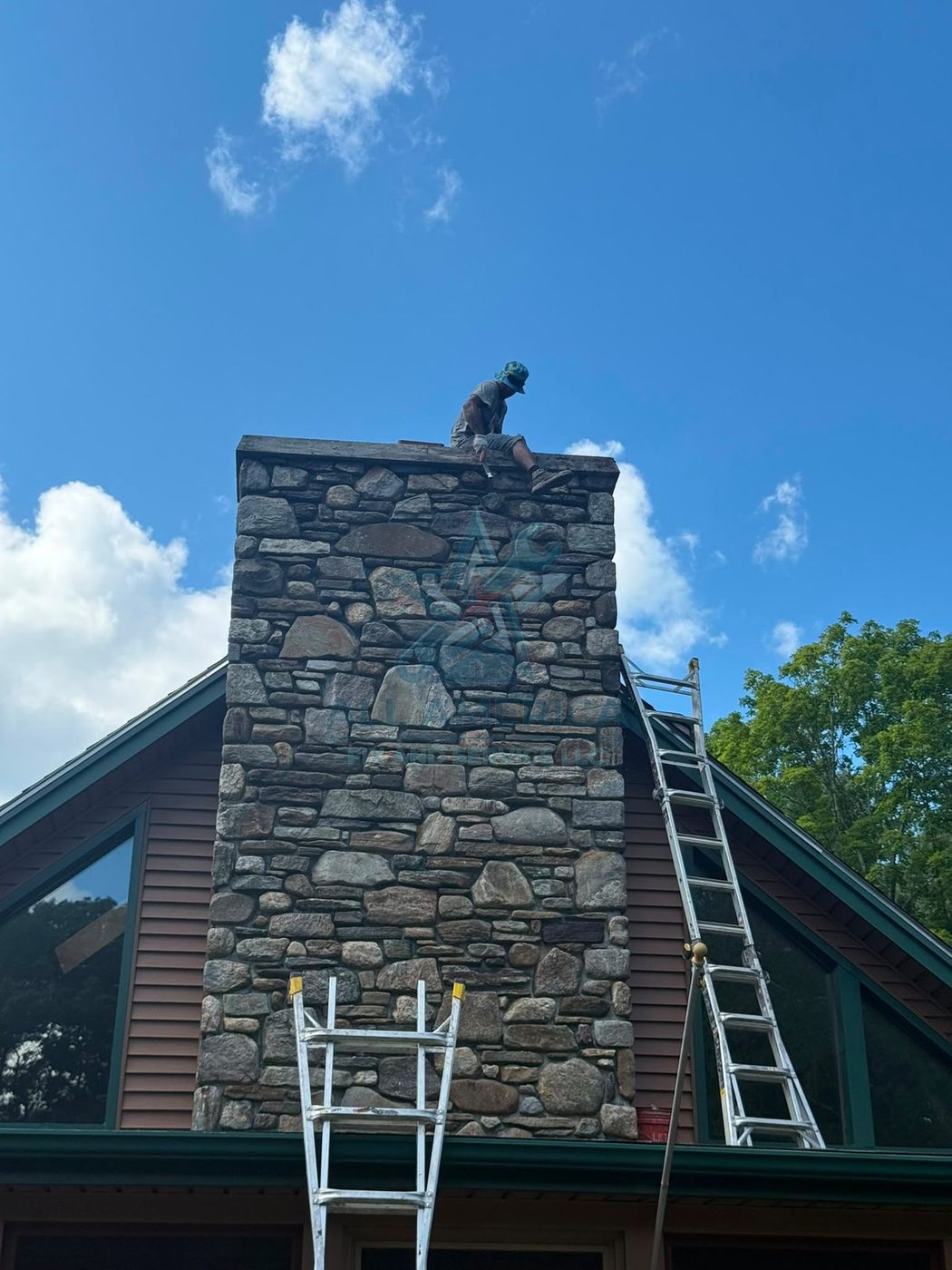
While we are there we do a visual inspection and tell you what we can see: the condition of the liner where it is visible, the damper, the smoke shelf, the cap and the crown, and whether there is evidence of water coming in. A great deal of chimney damage in Massachusetts is water damage — rain and snowmelt get into the masonry, freeze, expand and break it apart over a few winters.
One thing we want to be clear about, because it protects both of us. We clean and inspect. We do not do chimney masonry repair, relining, rebuilding or crown work. In Massachusetts that is construction work that requires a licensed Construction Supervisor, and it is a different trade from sweeping. If our inspection turns up something structural, we will describe exactly what we saw, show you the photos, and tell you to bring in a licensed mason. We would rather hand you an honest finding than sell you a repair.
What our Boston chimney cleaning service includes
- Chimney sweeping — brushing and vacuuming the flue from the appropriate access point, with drop cloths and a HEPA vacuum so the soot stays in the chimney and not in your living room.
- Creosote removal — mechanical removal of first and second stage creosote build-up.
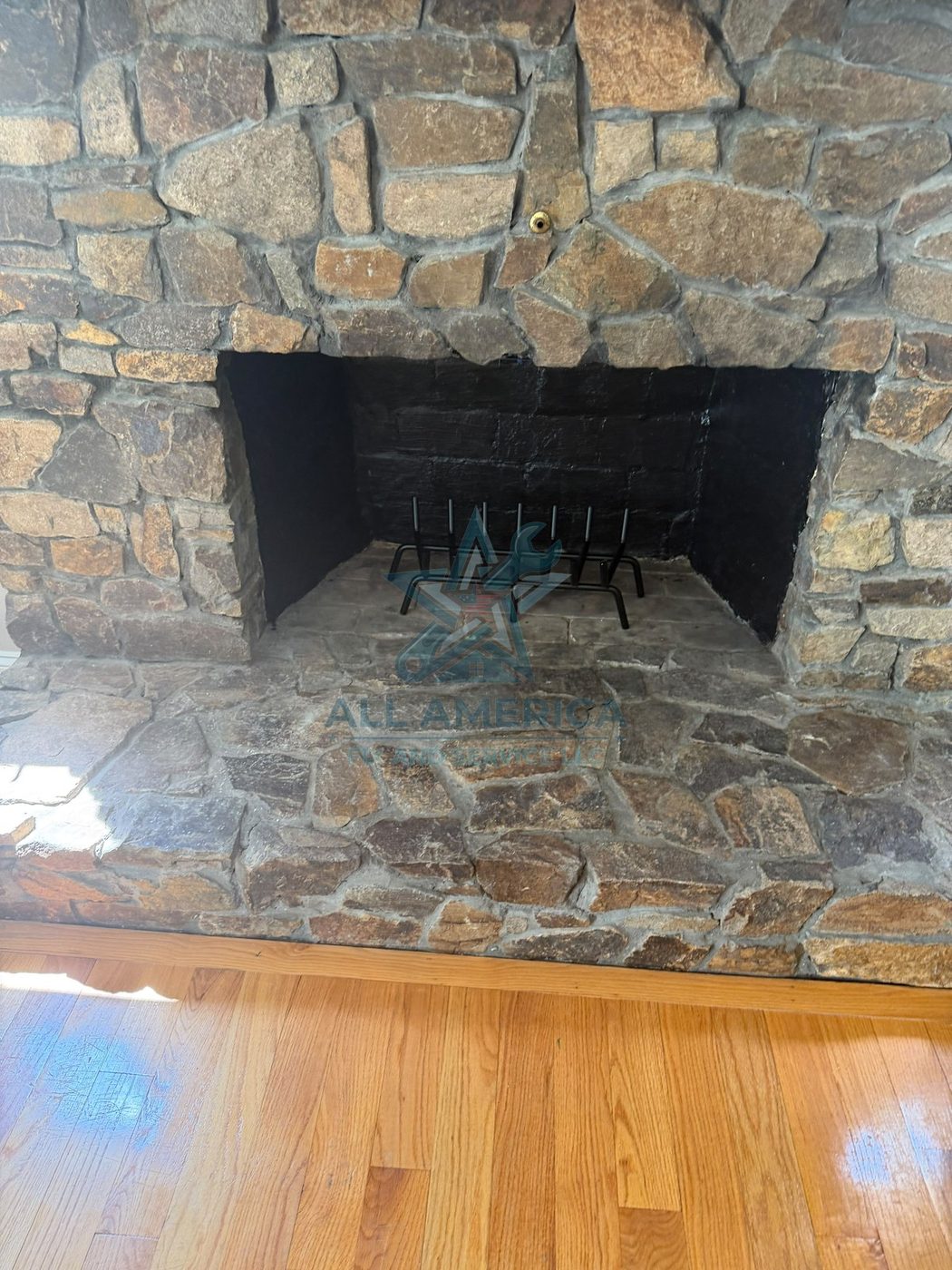
- Wood stove and insert cleaning — including the connector pipe and the baffle area where deposits collect fastest.
- Oil and gas flue cleaning — soot removal and blockage clearing on appliance flues.
- Dryer vent cleaning — lint removal from the full duct run, which is a genuine fire risk and one of the most commonly neglected ducts in the house.
- Visual inspection — damper, smoke shelf, visible liner, cap and crown, with photographs of anything we think you should see.
- Animal and debris removal — nests, leaves and fallen material clearing the flue.
- A written summary — what we cleaned, what we saw, and what if anything needs a different trade.
Why homeowners in Massachusetts call us
- We sweep and inspect, and we say plainly that we do not do chimney masonry repair or relining. Those need a licensed Construction Supervisor in Massachusetts, and we will point you to one rather than quote you for work that is not ours to do.
- We photograph what we find. You should not have to take a contractor’s word about a place you cannot see.
- We use drop cloths and a HEPA vacuum, and we work clean. A sweep that leaves soot on your hearth rug has not done the job properly.
- We look at oil and gas flues too, not just wood. Blocked appliance flues are a carbon monoxide risk and they get ignored precisely because they do not smell of woodsmoke.
- We tell you honestly how often you actually need us based on how you burn, rather than putting everyone on the same annual schedule.
What affects the cost
Chimney cleaning is one of the more predictable services we offer, but a few things do move the price:
- Type of appliance — an open fireplace, a wood stove with a connector pipe, and an insert that has to be partially pulled to reach the flue are three different amounts of work.
- Degree of build-up — a flue swept last year cleans quickly. A flue that has not been touched in five seasons of heavy burning takes considerably longer.
- Glazed creosote — hardened third-stage creosote needs specialist treatment and is priced separately, because standard brushing will not remove it.
- Access — roof height and pitch, and whether the chimney can be worked safely from the roof or has to be done entirely from below.
- Number of flues — many older Boston-area homes have two or three flues in one chimney stack, and each is its own job.
- Add-on dryer vent cleaning — usually worth doing on the same visit rather than as a separate call-out.
Every quote is free and specific to your property — we do not price this kind of work over the phone without understanding what is actually there.
Recent work
Frequently asked questions
How often should I have my chimney swept?
It depends on how you burn rather than on the calendar. A wood stove used as a primary heat source through a New England winter generally wants an annual sweep before the heating season. An open fireplace used a handful of evenings a year may go longer. Burning unseasoned wood or running long, damped-down overnight burns builds creosote much faster. We will tell you what your own pattern of use calls for after we have seen the flue.
What is creosote and why does it matter?
Creosote is the tar-like deposit left when unburned wood particles and moisture condense on the inside of a cool flue. In its early stage it is flaky and brushes off easily. Left to build, it glazes into a hard, shiny layer that burns extremely hot if it ignites. A chimney fire in a glazed flue can crack tile liners and spread into the surrounding framing, so removing it before it reaches that stage is the whole point of an annual sweep.
Do you repair chimneys as well as clean them?
No. We clean, sweep and inspect. Chimney masonry repair, relining, rebuilding and crown work are construction work that requires a licensed Construction Supervisor in Massachusetts, and that is a separate trade. If our inspection finds something structural we will describe it, show you photographs, and tell you to bring in a licensed mason. We will not quote you for repair work we are not the right company to do.
Do oil and gas flues need cleaning?
Yes, and they are the ones most often forgotten. Oil appliances leave a fine acidic soot that packs down and restricts the flue over time, and both oil and gas flues can be blocked by bird nests, fallen liner material or spalled masonry. A blocked appliance flue is a carbon monoxide hazard, which is reason enough to have it looked at even though nothing wood-burning goes up it.
Will sweeping make a mess in my house?
It should not. We lay drop cloths, seal the opening and run a HEPA vacuum at the fireplace or stove so the soot is drawn into the vacuum rather than into the room. If a sweep leaves soot on your hearth or carpet, the job was not set up properly.
Is chimney sweeping licensed in Massachusetts?
No. Massachusetts does not license or register chimney sweeps, and there is no state credential for this trade. Some sweeps hold a private industry certification, which is voluntary. What is licensed in Massachusetts is chimney construction and masonry repair, which requires a Construction Supervisor License — and that is exactly why we keep to cleaning and inspection and refer repair work out.
Can you clean my dryer vent at the same time?
Yes, and it is usually worth doing while we are already at the house. Lint build-up in a dryer duct is a real fire risk and restricts airflow, which makes the dryer run longer and cost more. It is one of the most neglected ducts in a home.
Getting the chimney ready before the heating season?
Tell us what you burn and how often, and we will come and sweep it. Estimates are free, and if we find something that needs a licensed mason we will say so plainly.