
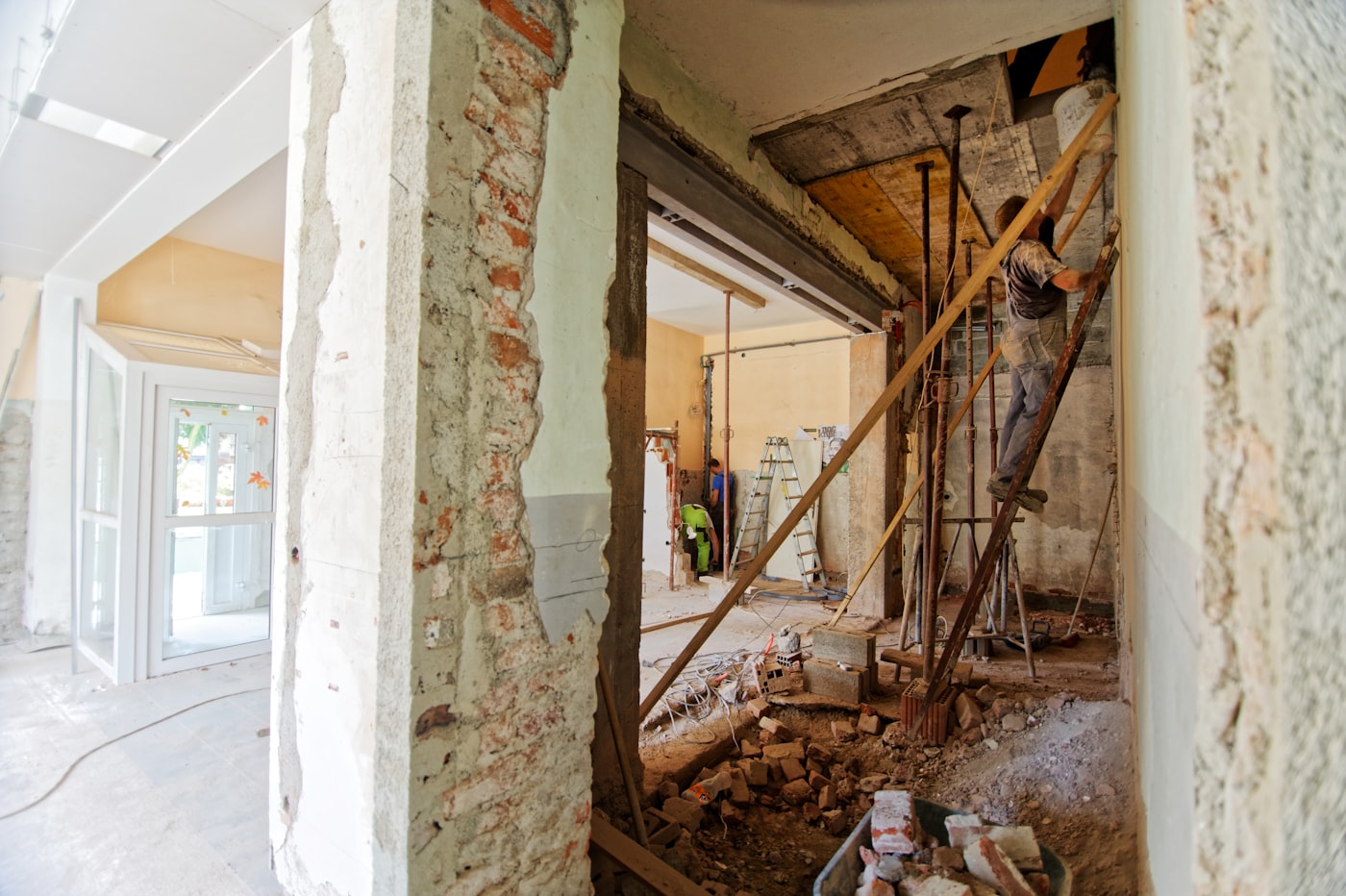
Construction in Miami is not the same trade it is anywhere else in the country. Almost nothing here is wood frame — homes are built from concrete block with poured tie beams and columns, and every structural element has to satisfy the High-Velocity Hurricane Zone provisions of the Florida Building Code. That single fact changes the materials, the engineering, the inspections and the timeline. We handle additions, concrete and masonry, structural repairs and the permitting that goes with them, on residential properties across Miami-Dade and Broward.
The clearest way to describe what we mean by construction is to separate it from remodeling. Remodeling is work inside an existing envelope — a kitchen, a bathroom, flooring, finishes. Construction is work that changes the structure itself: adding square footage, pouring a new slab, opening a load-bearing wall, replacing a failed tie beam, cutting a new opening for impact windows or doors. Different permits, different inspections, different engineering. If your project involves any of that, it belongs on this page rather than on our remodeling page.
One thing we do not do, and we would rather say it plainly than have you find out three calls in: we do not build swimming pools, and we do not build or re-screen pool cages and screen enclosures. Pool construction in Florida is a separately licensed specialty (Commercial or Residential Pool/Spa Contractor) with its own permitting track, and screen enclosures are their own aluminum-specialty trade. We will happily coordinate our concrete, deck and structural work around a pool contractor you have hired, but we will not pretend the pool itself is our scope.
Everything in Miami-Dade runs through product approval. Windows, doors, roofing assemblies, anchors, connectors — each needs either a Miami-Dade Notice of Acceptance or a Florida Product Approval number, and the inspector will ask for it. Work done without approved products fails inspection, and worse, it can be excluded when you file an insurance claim after a storm. We build to what the approvals actually say, and we keep the documentation so you have it later.
We also plan around the season. Concrete and masonry work has a curing schedule, and pouring into the daily afternoon storms of a Miami summer is how you get surface problems that show up two years later. On larger pours we schedule around the forecast rather than around convenience, and we will tell you honestly if a start date means working through the worst of the wet season.
What our Miami construction service includes
- Home additions — single-room additions, second-floor additions, enclosing a carport or porch into conditioned space, with engineering and permitting handled.
- Concrete work — slabs, footings, driveways, walkways, patios and equipment pads, formed and poured to spec.
- Masonry and CMU block — block walls, tie beams, columns, boundary and privacy walls, stucco to match existing.
- Structural repair — spalling concrete repair, corroded rebar treatment, cracked tie beams, settling and foundation issues.
- Structural openings — cutting and heading new openings for impact windows, sliders and doors in block walls.
- Driveways and pavers — poured concrete or paver installation over a properly prepared base, with drainage that actually moves water away from the house.
- Demolition — interior and selective structural demolition with debris removal.
- Permits and inspections — drawings, permit application, and coordination of inspections with the county or municipal building department.
Why homeowners in Florida call us
- We build to the High-Velocity Hurricane Zone code, not to a generic national standard. In Miami-Dade and Broward that is not optional, and it is the difference between a structure that passes inspection and one that does not.
- We tell you what is outside our scope. Pools and screen enclosures are the obvious example — we would rather send you to the right licensed trade than take work we are not the right company for.
- Spalling concrete is the most common structural problem we see on older Miami homes, and it is one of the most commonly misdiagnosed. Salt air corrodes the rebar, the rebar expands, and the concrete pushes off. Patching the surface without treating the steel guarantees it comes back.
- We coordinate the permit process instead of leaving it on the homeowner. Unpermitted structural work is one of the hardest things to unwind when you eventually sell the house.
- Estimates come after we have actually looked at the structure. Additions and structural repairs cannot be priced honestly over the phone.
What affects the cost
Construction pricing varies more than any other service we offer, because the scope ranges from a single concrete pad to an addition that changes the footprint of the house. These are the factors that move the number most:
- Scope and square footage — a slab is priced very differently from conditioned living space that needs foundation, walls, roof, electrical, and HVAC.
- Engineering requirements — anything structural needs signed and sealed drawings from a Florida-licensed engineer, and complex work needs more of them.
- Permit and impact fees — these are set by the county or municipality, not by us, and additions that increase living area can carry impact fees.
- Existing conditions — the extent of rebar corrosion, the condition of the existing slab, and what we find once we open a wall.
- Site access — whether a concrete truck and equipment can reach the work area, or whether material has to be moved by hand.
- Finish level — matching existing stucco texture, tile, or architectural detail costs more than a standard finish.
Every quote is free and specific to your property — we do not price this kind of work over the phone without understanding what is actually there.
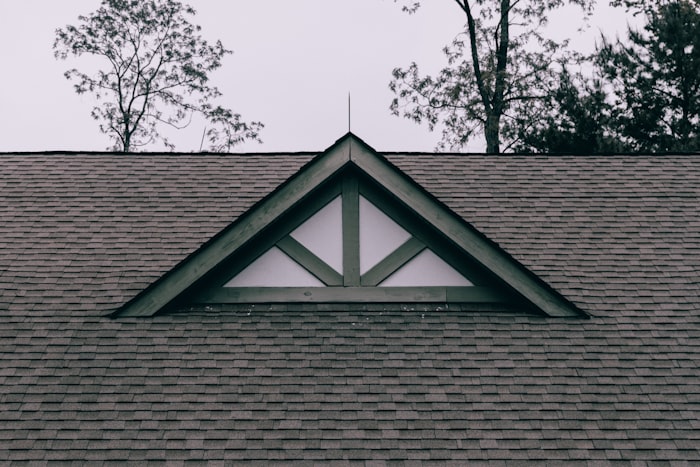
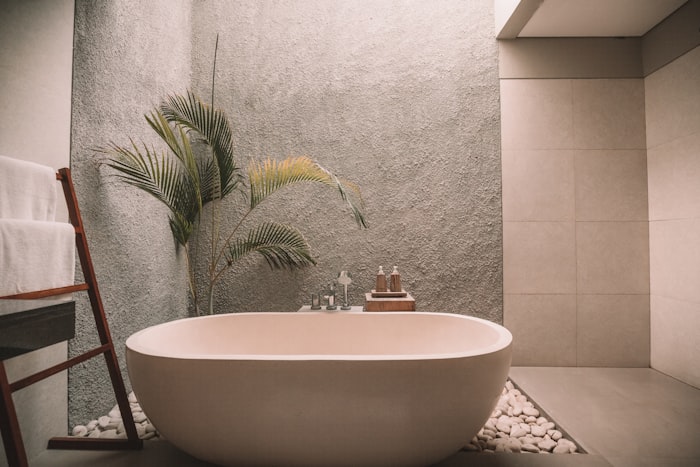
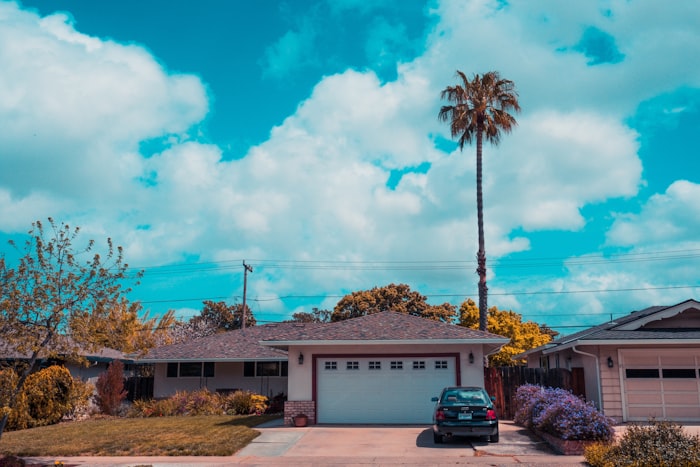
Recent work
Frequently asked questions
What is the difference between your construction service and your remodeling service?
Remodeling is work inside the existing structure — kitchens, bathrooms, flooring, finishes. Construction is work that changes the structure itself: additions, new slabs and footings, load-bearing walls, tie beams, and new openings in block walls. Construction work requires structural permits and engineering; most remodeling does not. If you are not sure which one your project is, describe it to us on the phone and we will tell you.
Do you build swimming pools or pool cages?
No. Pool construction in Florida requires a separate Pool/Spa Contractor license, and screen enclosures and pool cages are a separate aluminum-specialty trade. We do not do either. We can pour the surrounding deck, build retaining or privacy walls, and coordinate our work around your pool contractor, but the pool and the cage are not our scope.
Why is everything in Miami built from concrete block instead of wood?
Concrete block resists hurricane wind loads, does not rot in high humidity, and is not vulnerable to termites, which are a serious and year-round problem in South Florida. It also performs better against wind-borne debris, which is what the High-Velocity Hurricane Zone provisions in the Florida Building Code are primarily written to address. Wood frame construction is uncommon here for good reasons.
My concrete is cracking and pieces are falling off. What is that?
That is almost certainly spalling. Salt in the coastal air penetrates the concrete and corrodes the steel reinforcement inside. Rusting steel expands to several times its original volume and pushes the surrounding concrete off. Repairing it properly means removing the damaged concrete, cleaning and treating or replacing the corroded steel, and rebuilding with a bonding agent and repair mortar. Patching over the surface without addressing the steel will fail again, usually within a couple of years.
Do I need a permit for an addition, and can you handle it?
Yes, any addition needs a permit, and in Miami-Dade it needs signed and sealed structural drawings. We handle the drawings, the permit application and the inspection scheduling. We will not start structural work without a permit in hand — unpermitted work causes serious problems when you sell or when you file an insurance claim.
How long does an addition take?
For a straightforward single-room addition, expect a few weeks of permitting and design before anything is built, then construction itself. The permitting phase is often the longest and least predictable part, because it depends on the building department rather than on us. We give you a realistic schedule at estimate time and tell you which parts of it are outside our control.
Can you cut a new opening for impact windows or a slider in a block wall?
Yes. That is structural work — the opening needs a header or lintel sized by an engineer, and the new window or door assembly needs a Miami-Dade Notice of Acceptance or Florida Product Approval. We handle the structural side and the installation, and we keep the approval documentation for your records.
Planning an addition or structural work in Miami?
Tell us what you are trying to build and we will come look at the structure. Estimates are free, and if the job needs a different trade, we will say so.