
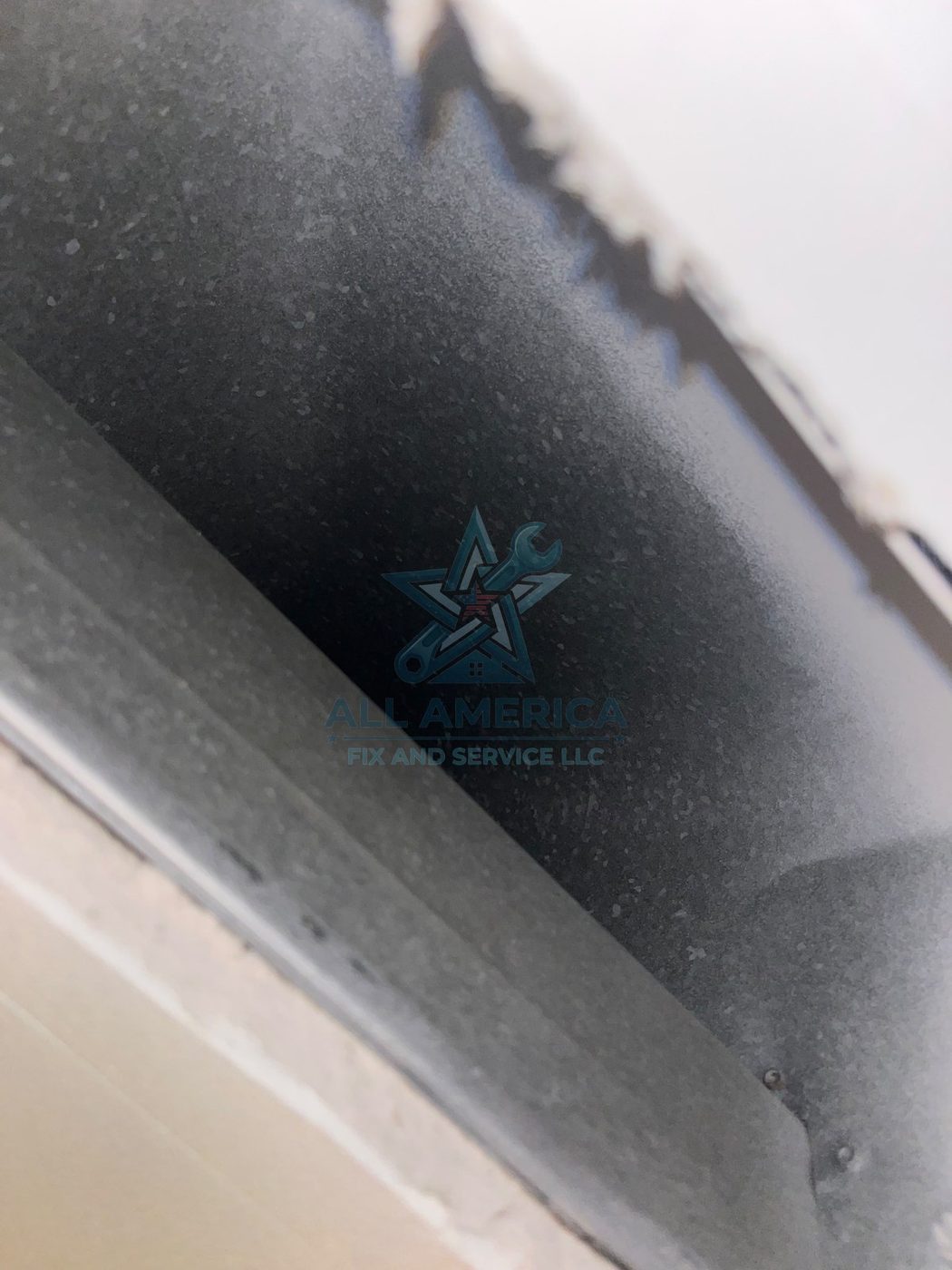
New Jersey duct systems work all year. They carry heat through a long winter, cold air through a humid summer, and they do it in houses that stay closed up for most of both seasons. Add one of the more demanding pollen seasons in the country each spring, and the duct system ends up holding a fairly complete record of everything that has been in the air. We clean duct systems across northern and central New Jersey.
The calls we get are usually about something noticed rather than measured. Dust settling back onto surfaces a day after cleaning. A smell that arrives with the heat or the AC and fades when the system stops. Allergy symptoms that are noticeably worse indoors. Visible dark marks fanning out around the supply registers. Those are the honest signals, and in a state where the system runs most of the year they are worth acting on.
Basements matter here. A great many New Jersey homes have supply and return ductwork running through a basement, and New Jersey basements are damp more often than not. Where the joints are unsealed, the system pulls basement air into the ducts and distributes it upstairs. If a musty basement smell has started appearing on the first floor when the system runs, the ductwork is almost always the mechanism, and sealing is the fix rather than cleaning alone.
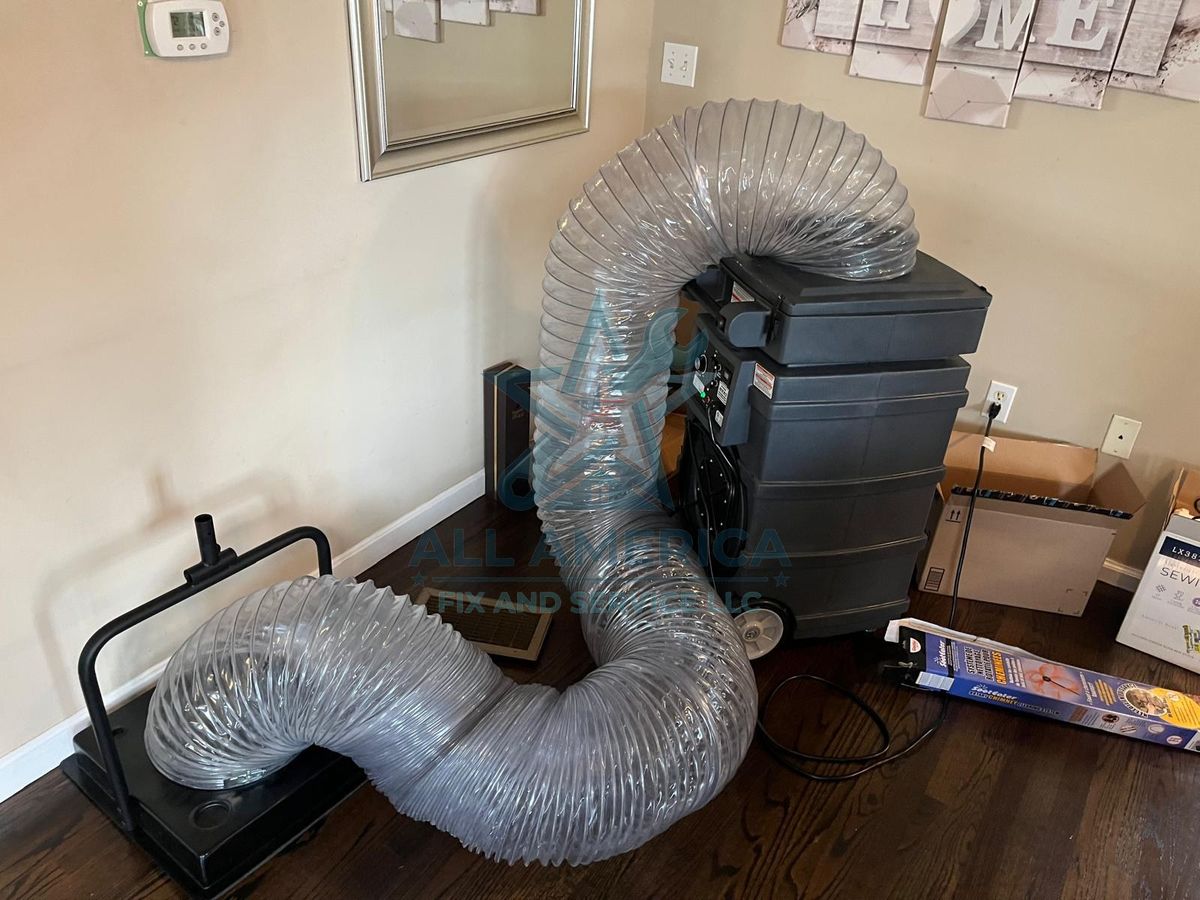
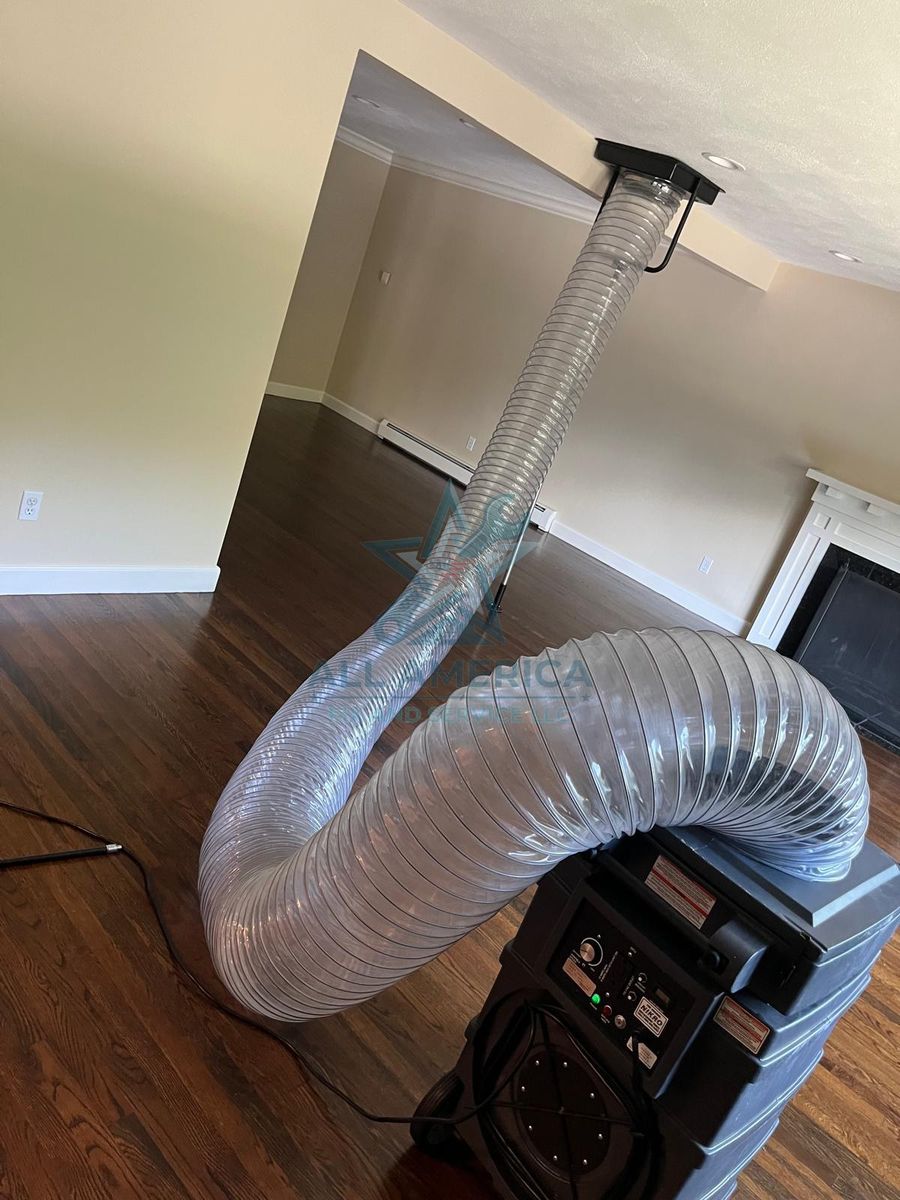
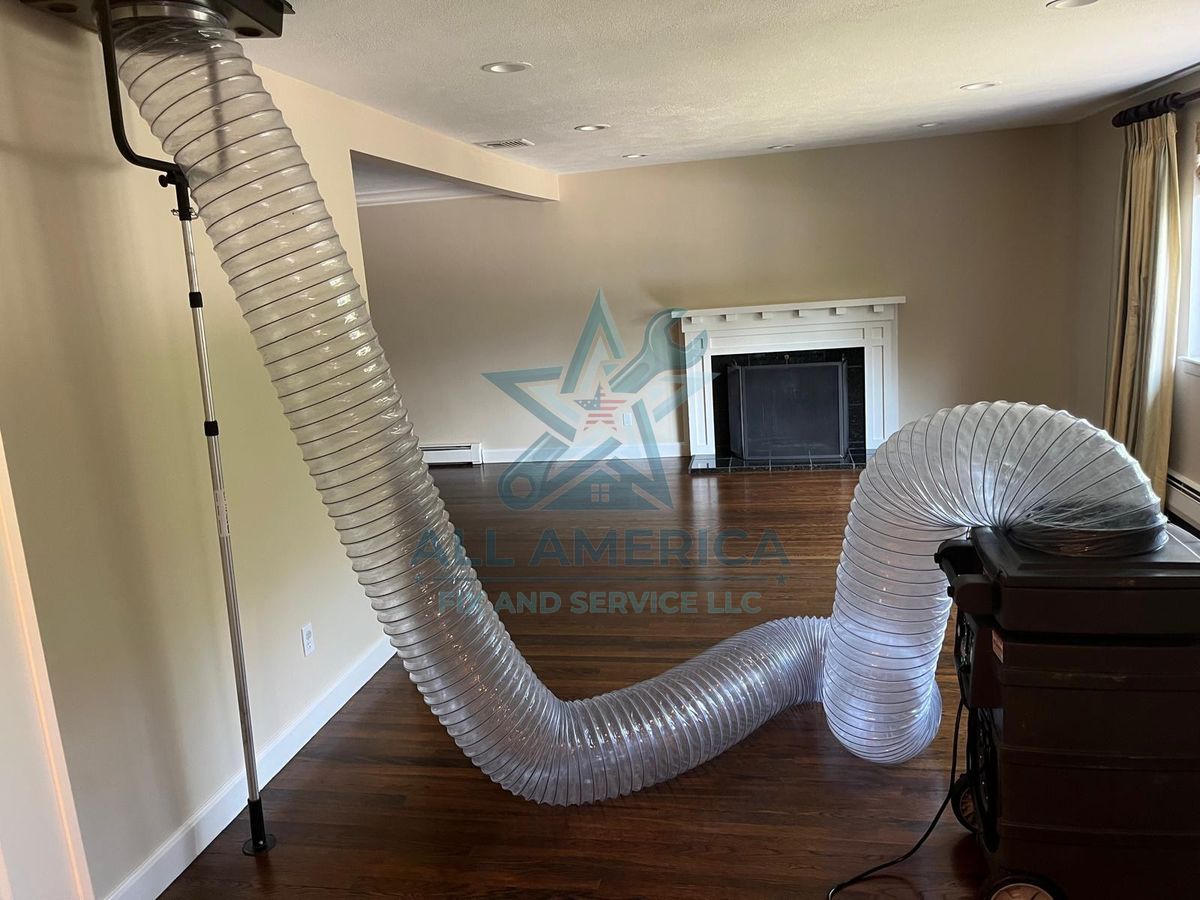
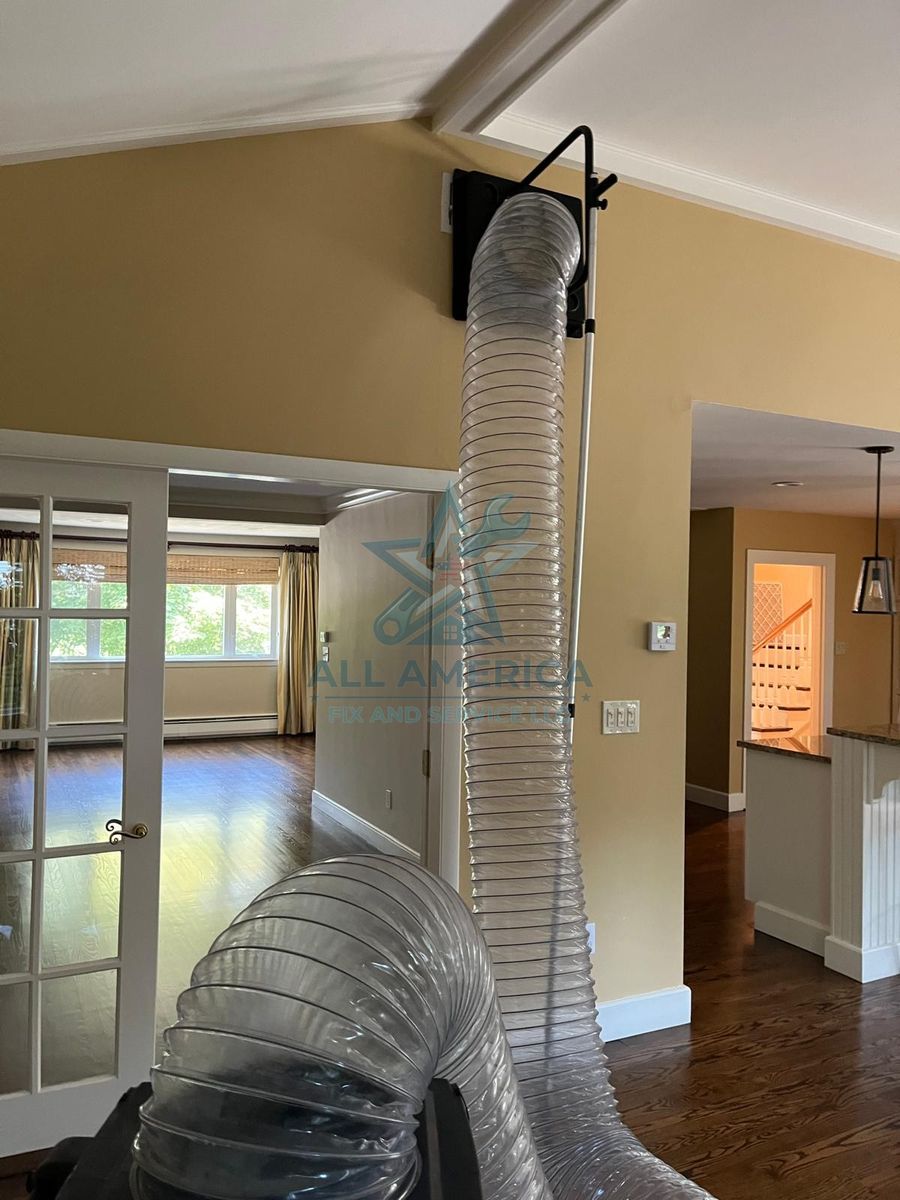
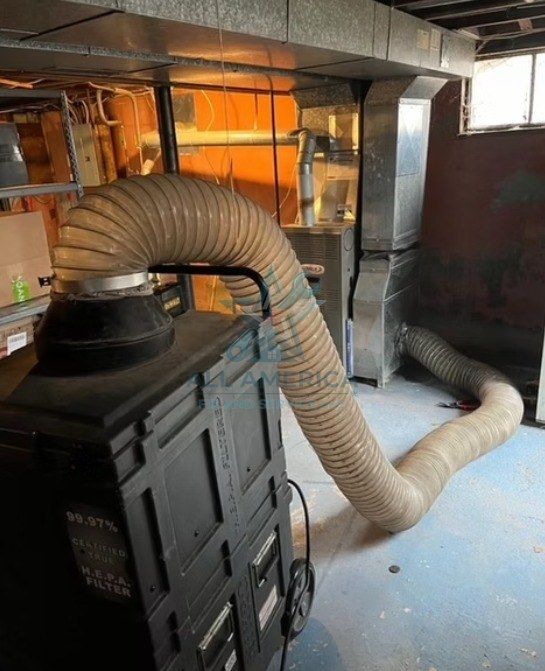
A real cleaning is mechanical. We put the system under negative pressure into a HEPA-filtered collection unit, then agitate every run with brushes and air whips so debris is loosened and drawn out rather than pushed deeper into the system. Supply side, return side, main trunk, plenum and blower compartment. The return side and the blower hold the heaviest buildup and are precisely what a cheap two-hundred-dollar operation skips.
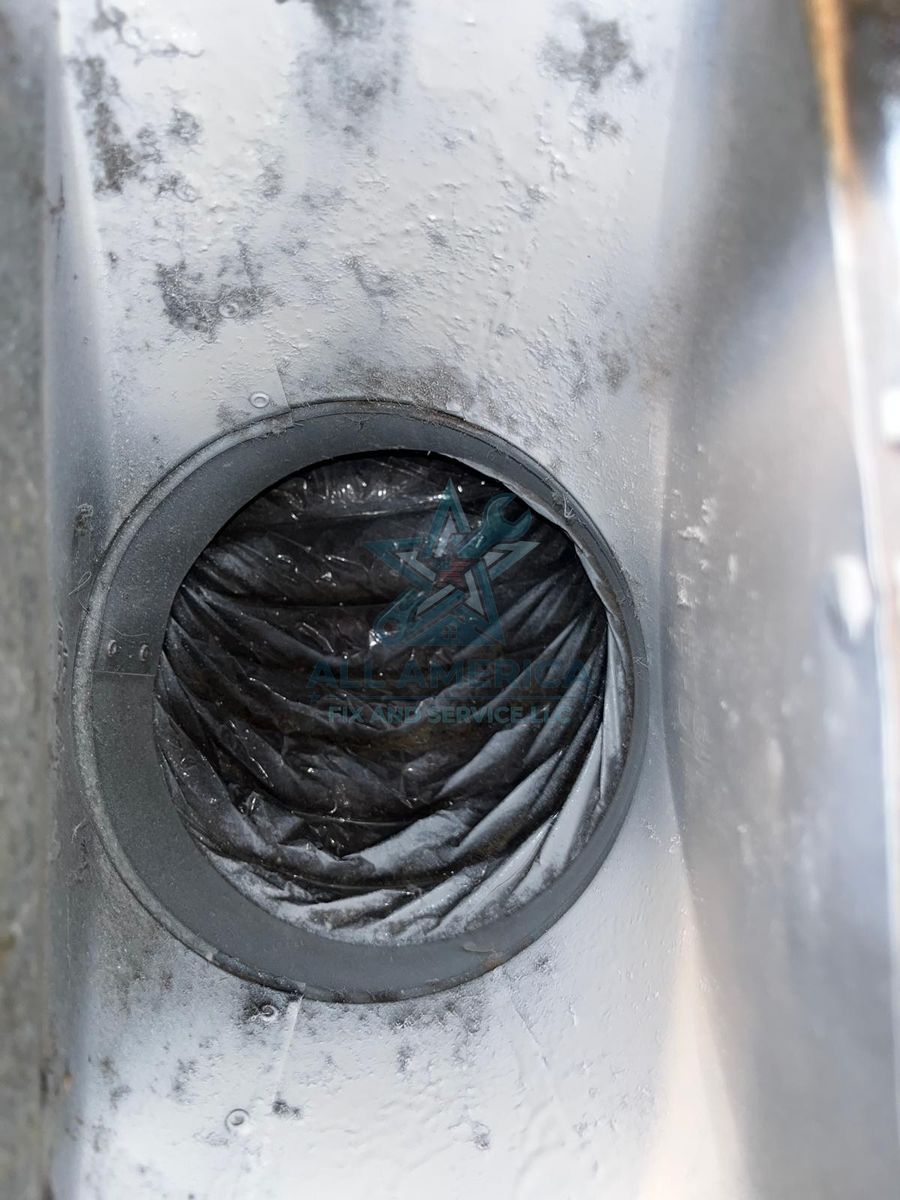
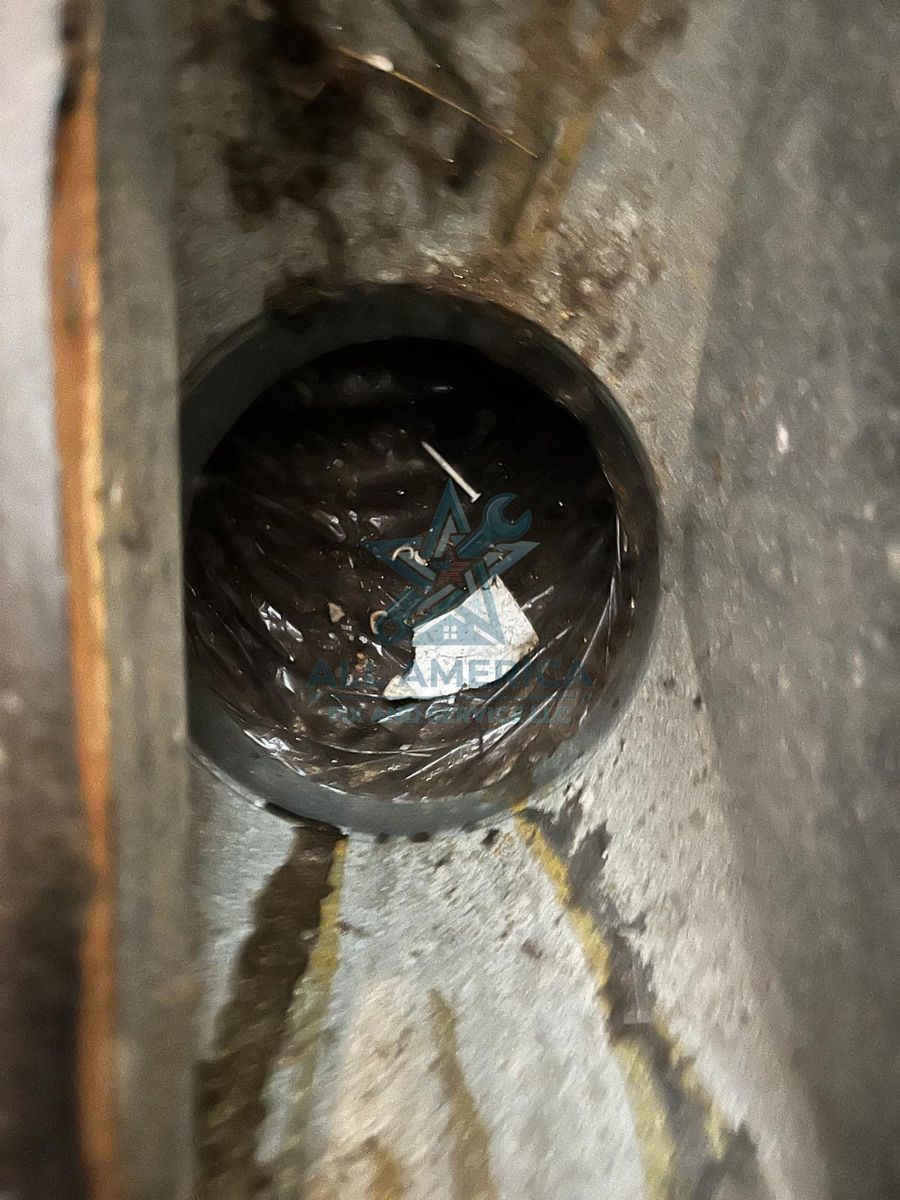
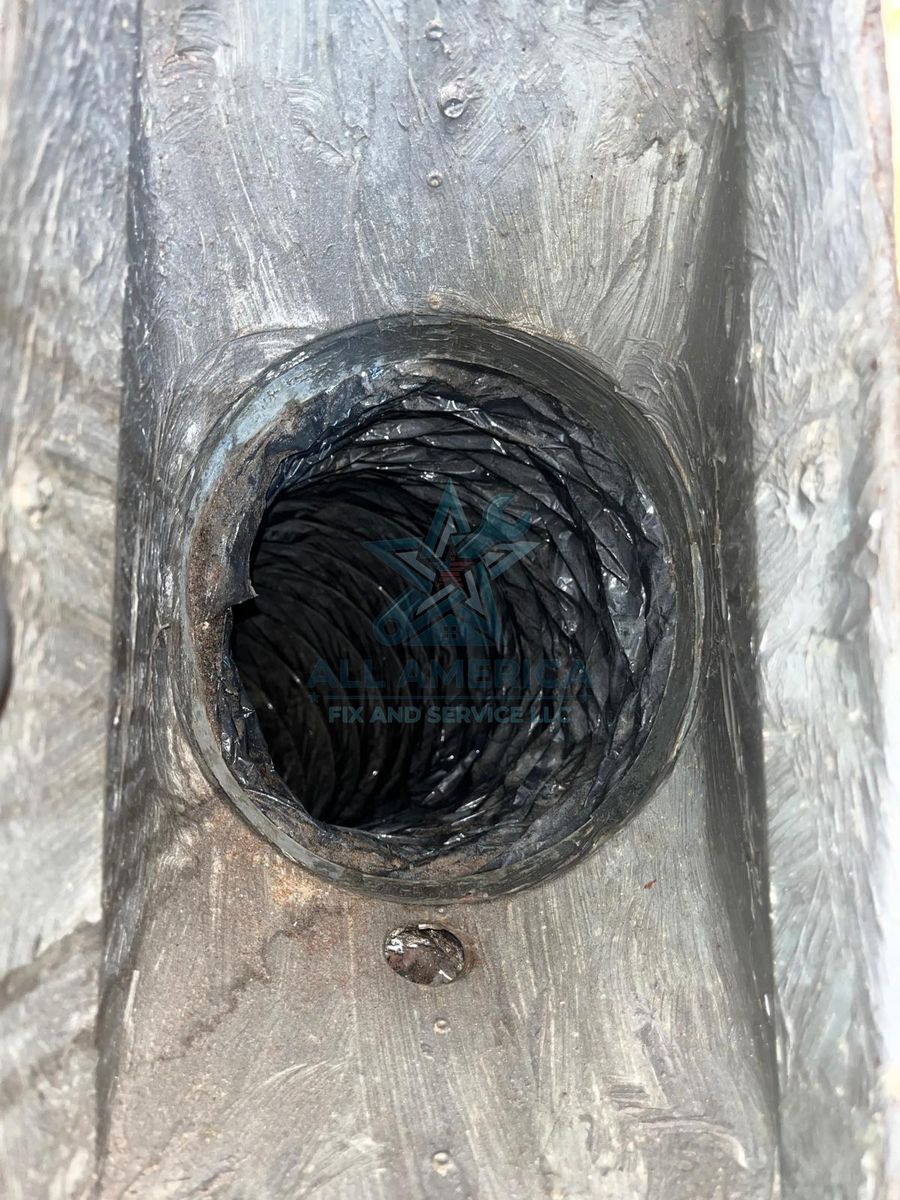
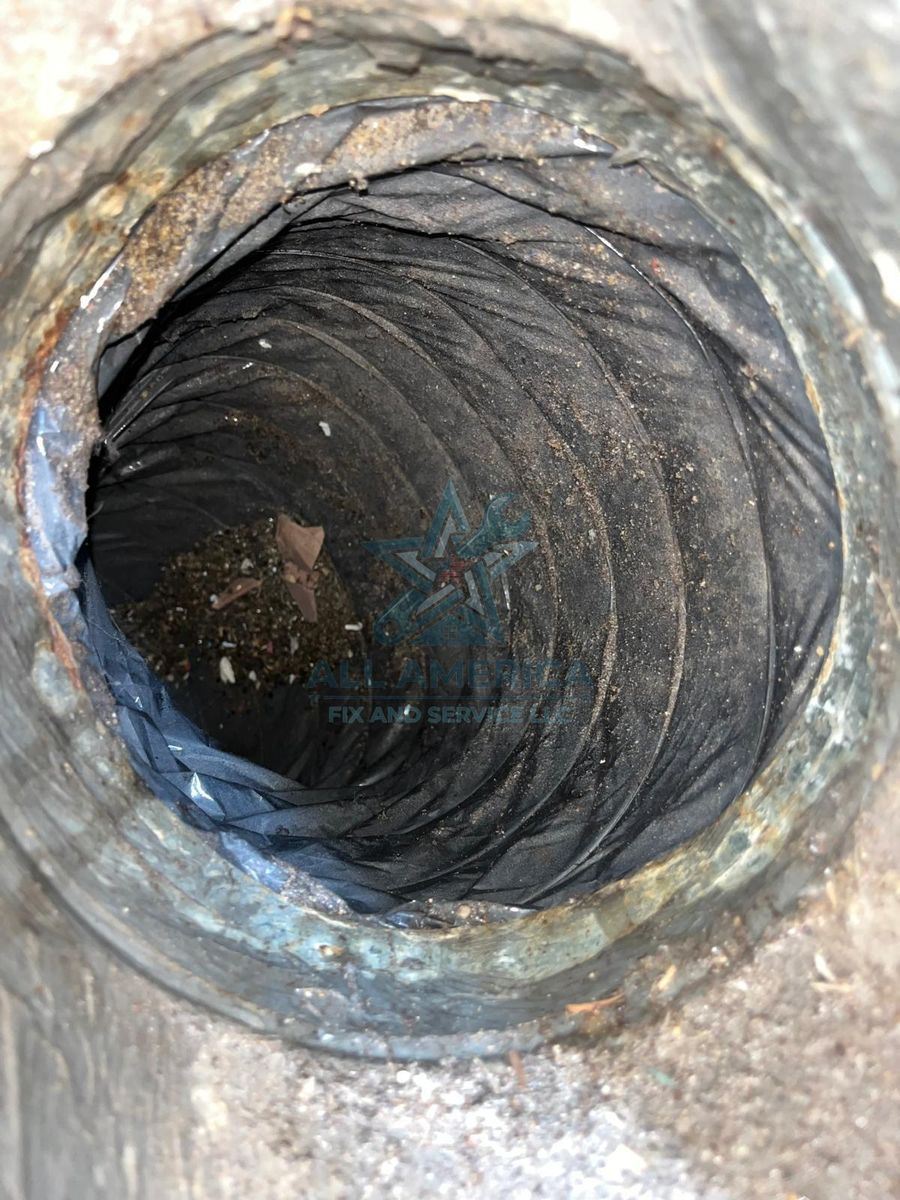
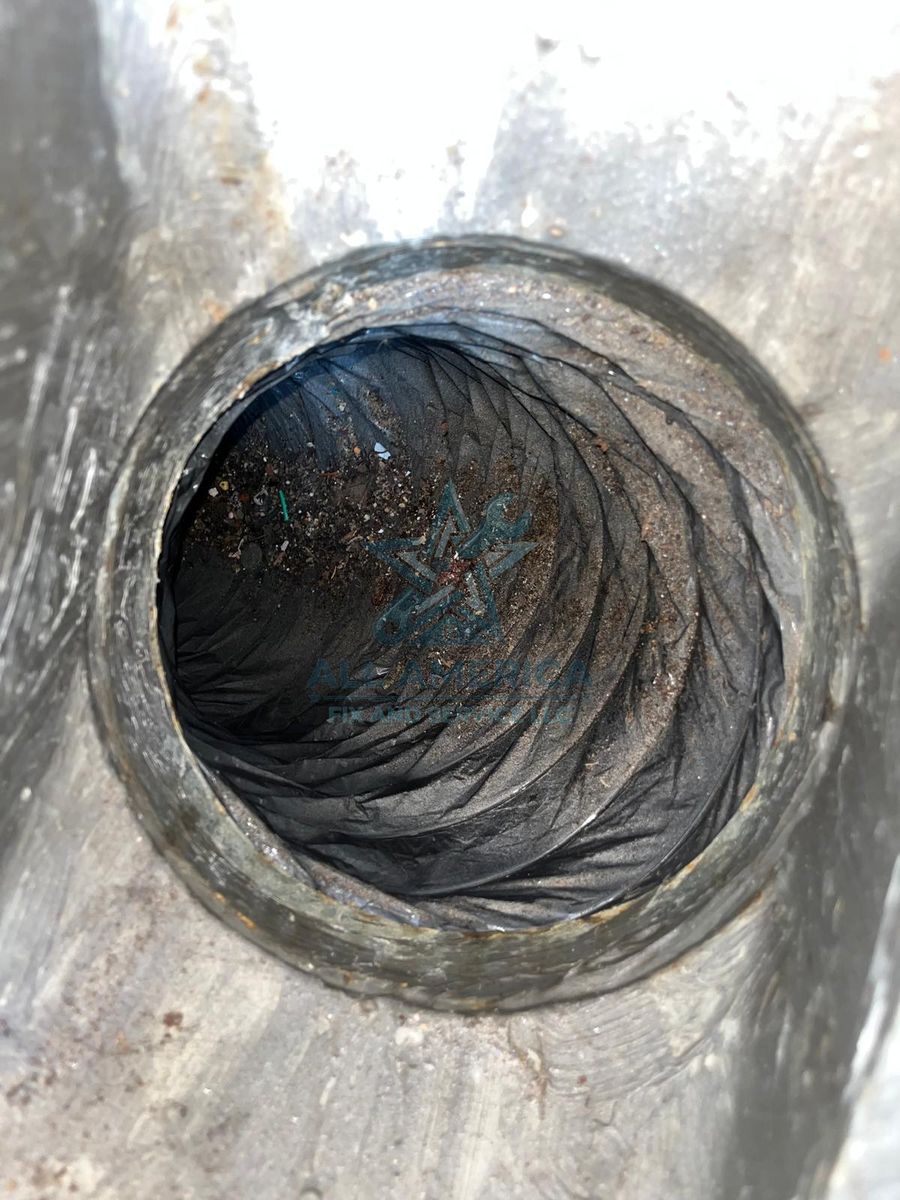
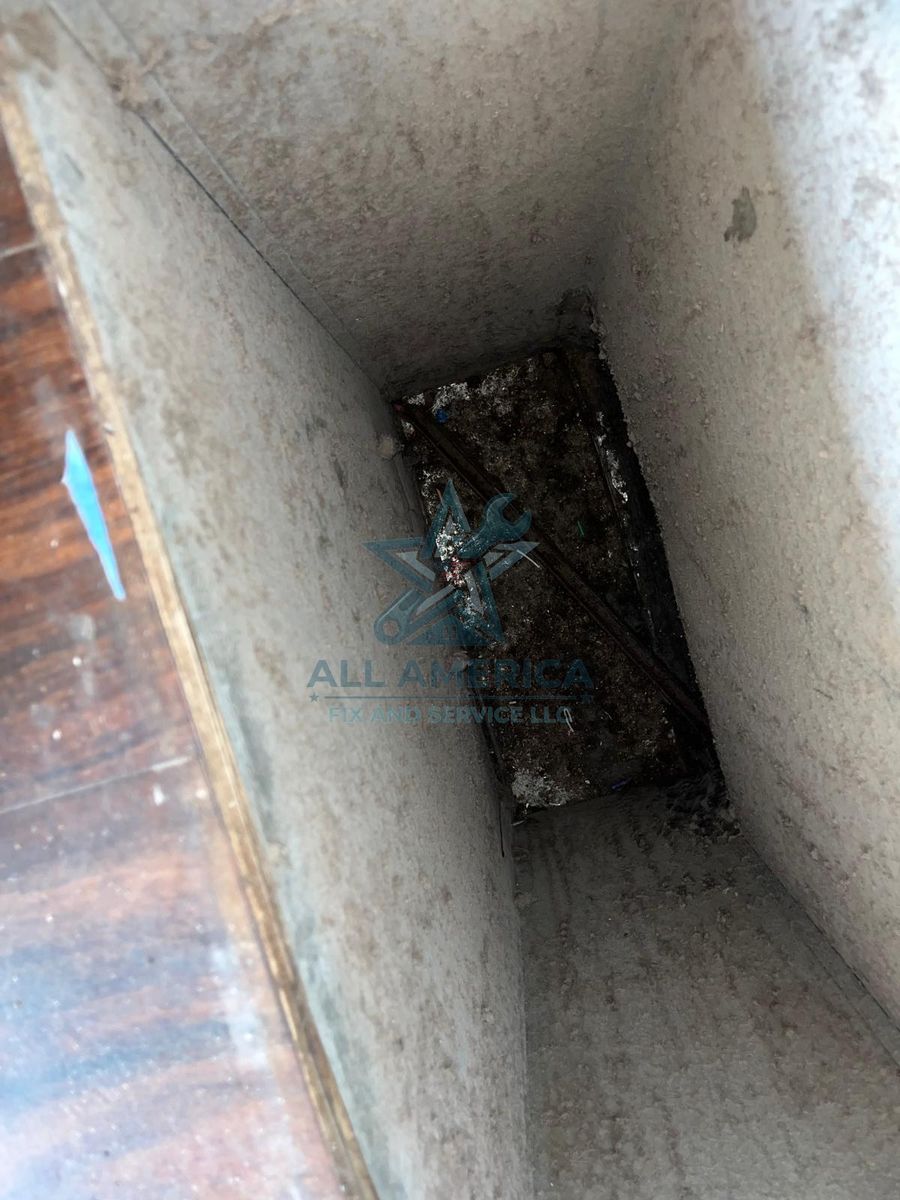
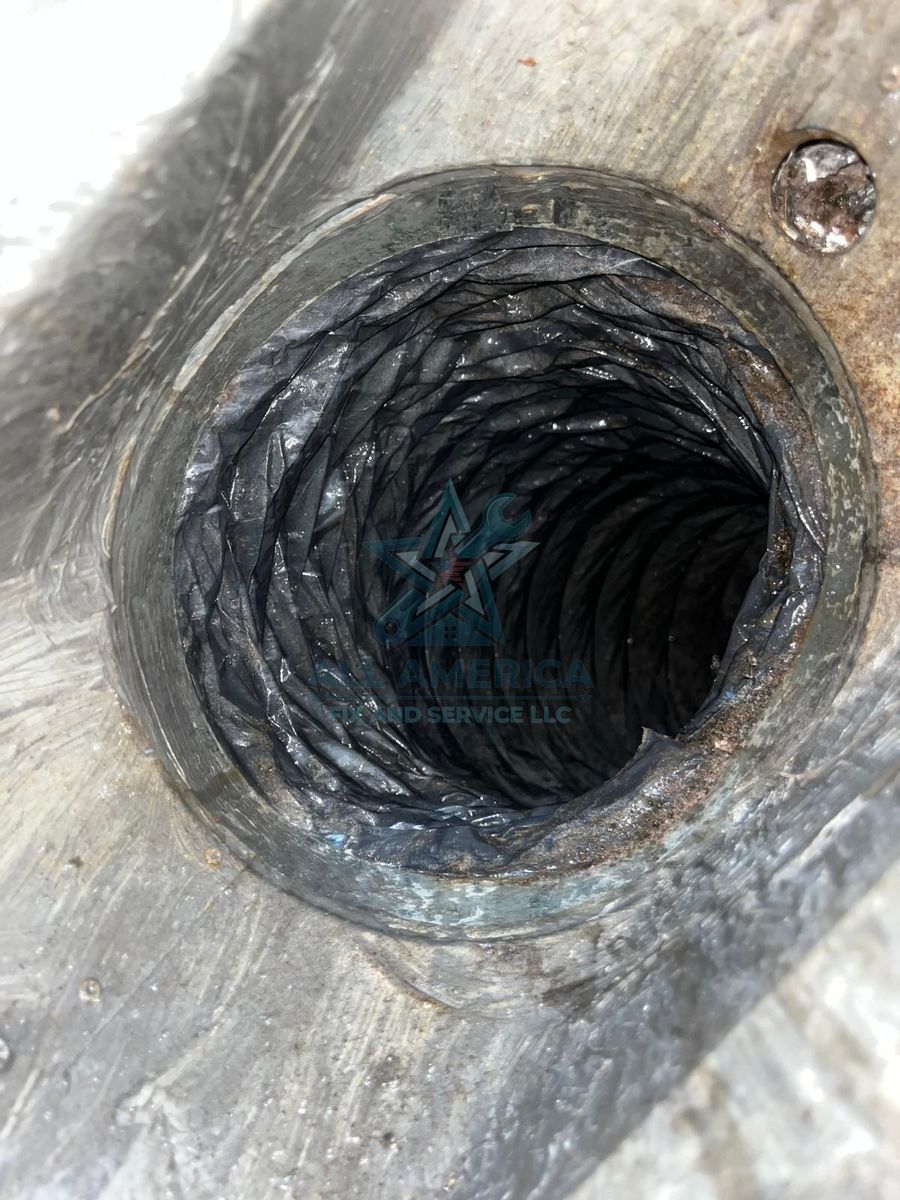
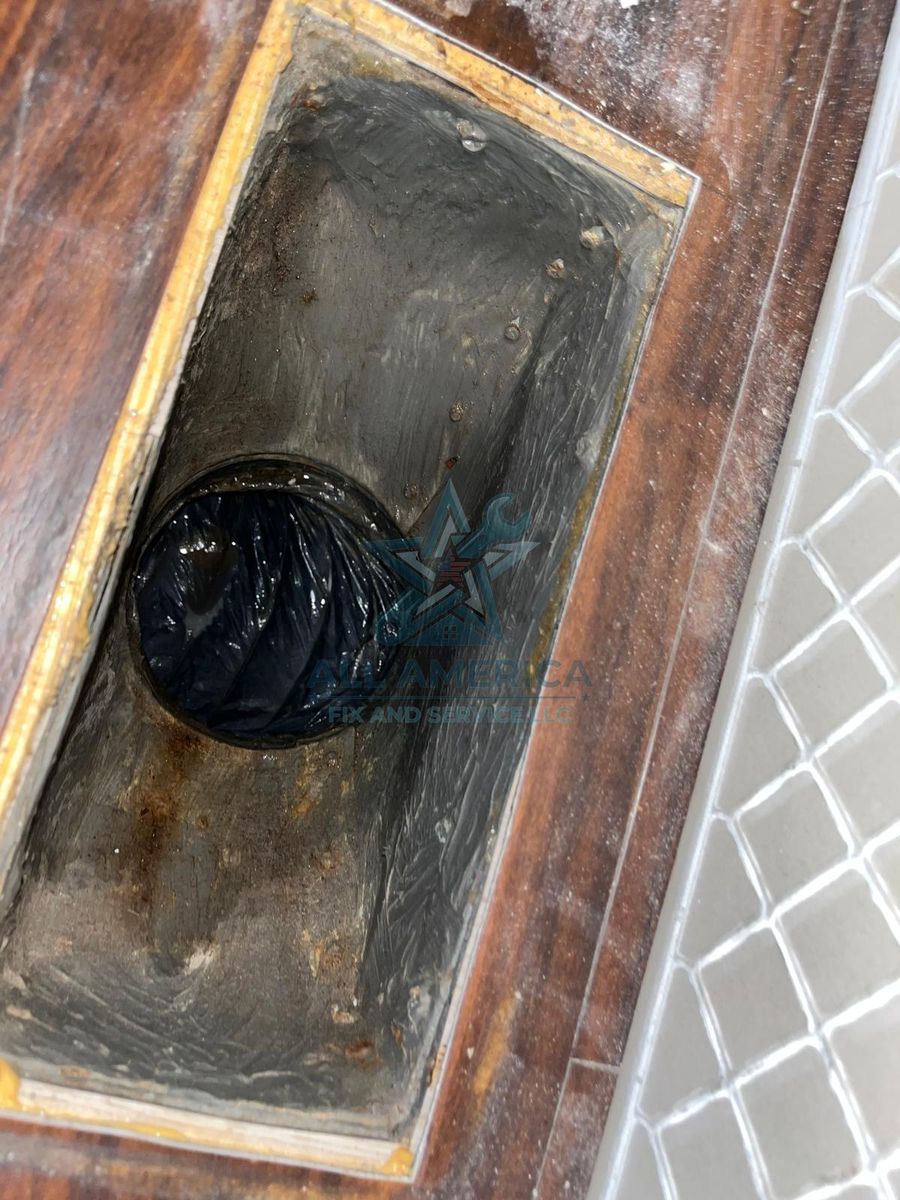
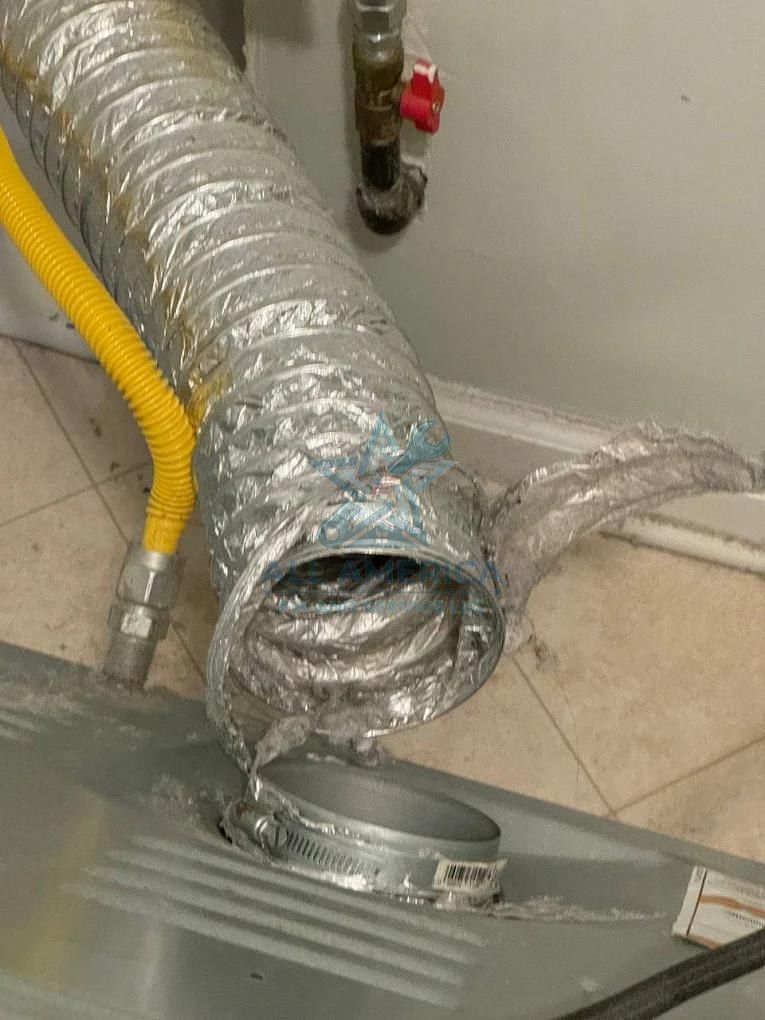
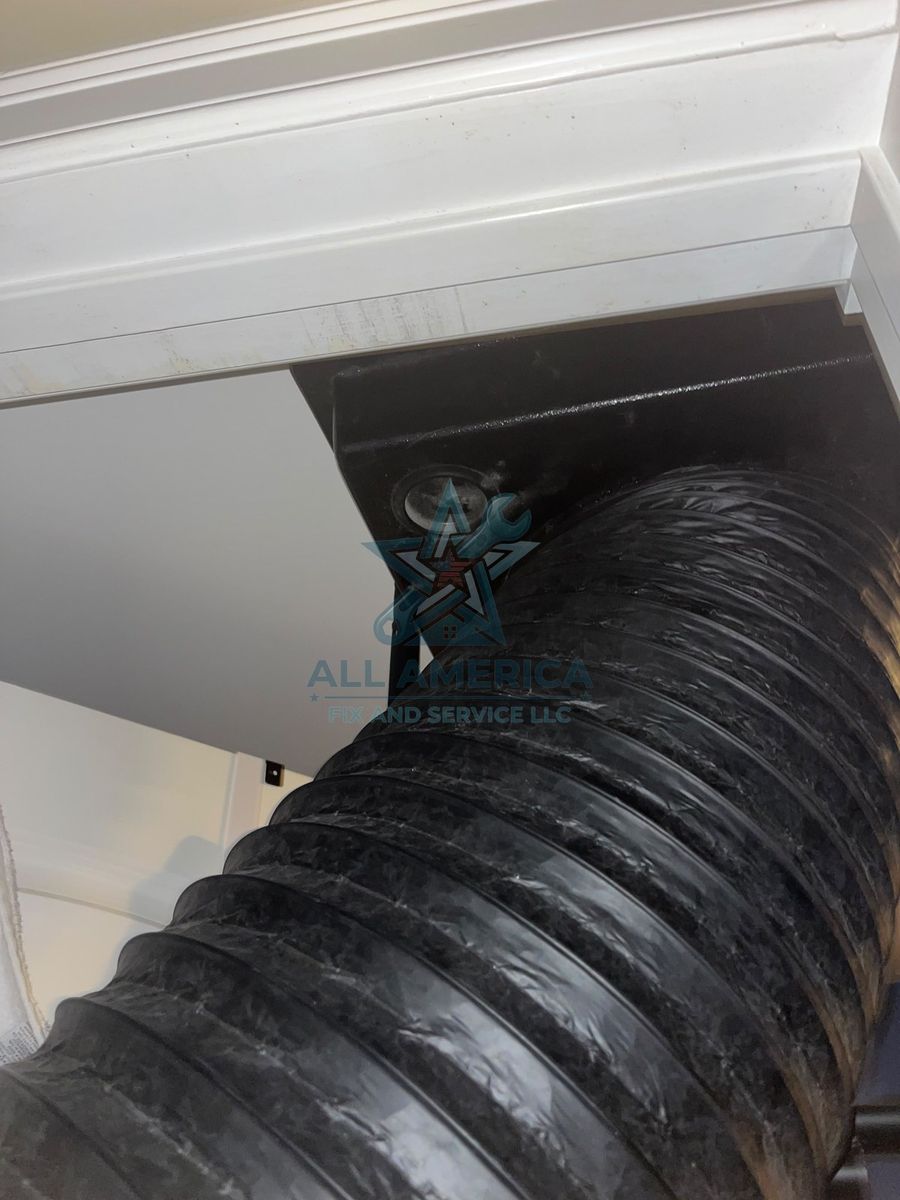
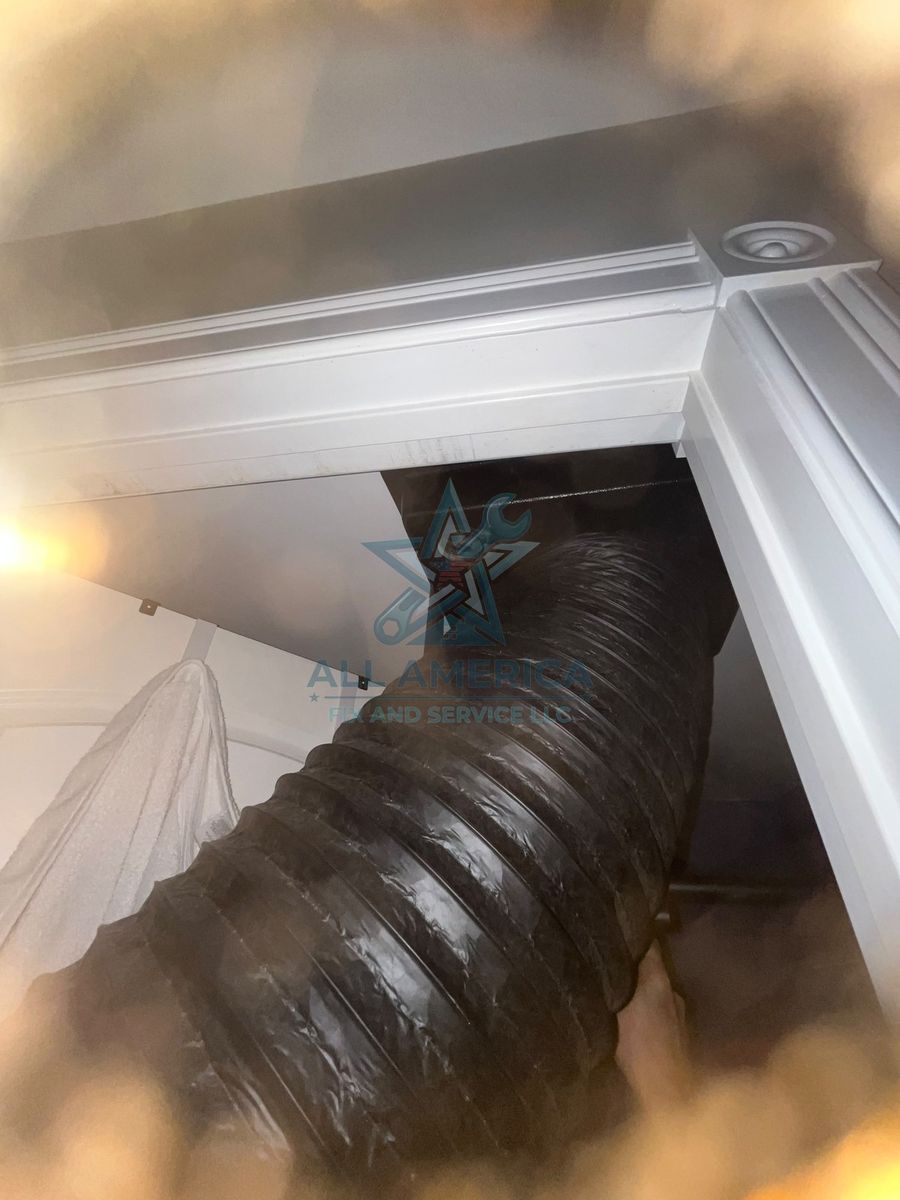
We also report what caused the buildup. Torn flex duct, disconnected boots above ceilings, crushed runs, missing insulation on basement and attic runs, and unsealed joints are all routine findings. We photograph what we find and say plainly when the real fix is a repair rather than a cleaning. Sealing and insulating leaking runs is licensed HVACR work that we do not do — when that is what you need, we will tell you and point you to a licensed contractor.
What our New Jersey air duct cleaning service includes
- Whole-system cleaning — supply runs, return runs, main trunk and plenum
- Negative-pressure HEPA collection so debris leaves the house instead of moving around it
- Mechanical agitation with brushes and air whips, not suction alone
- Blower compartment and coil cleaning, where the heaviest accumulation usually sits
- Register and grille removal, cleaning and refitting
- A written report of what we found, including anything we think needs a different trade
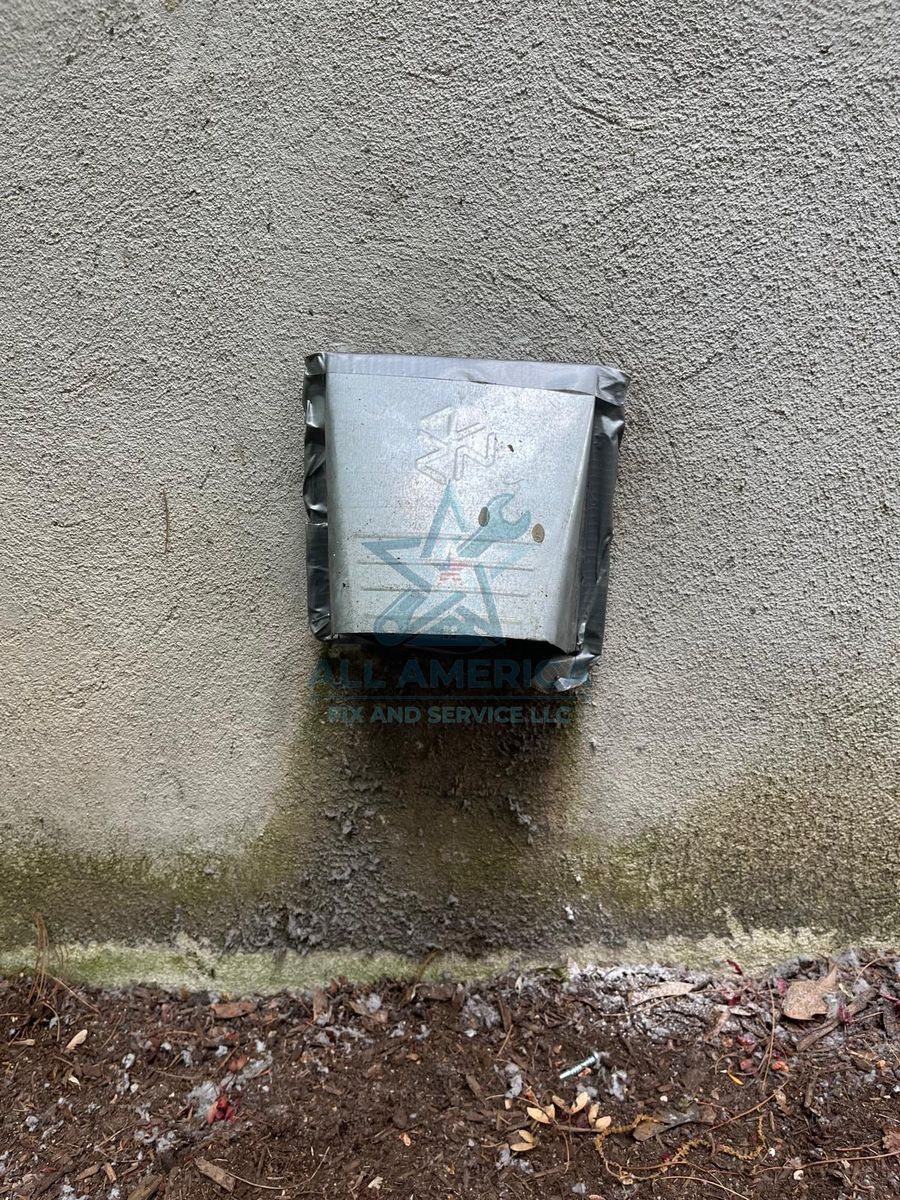
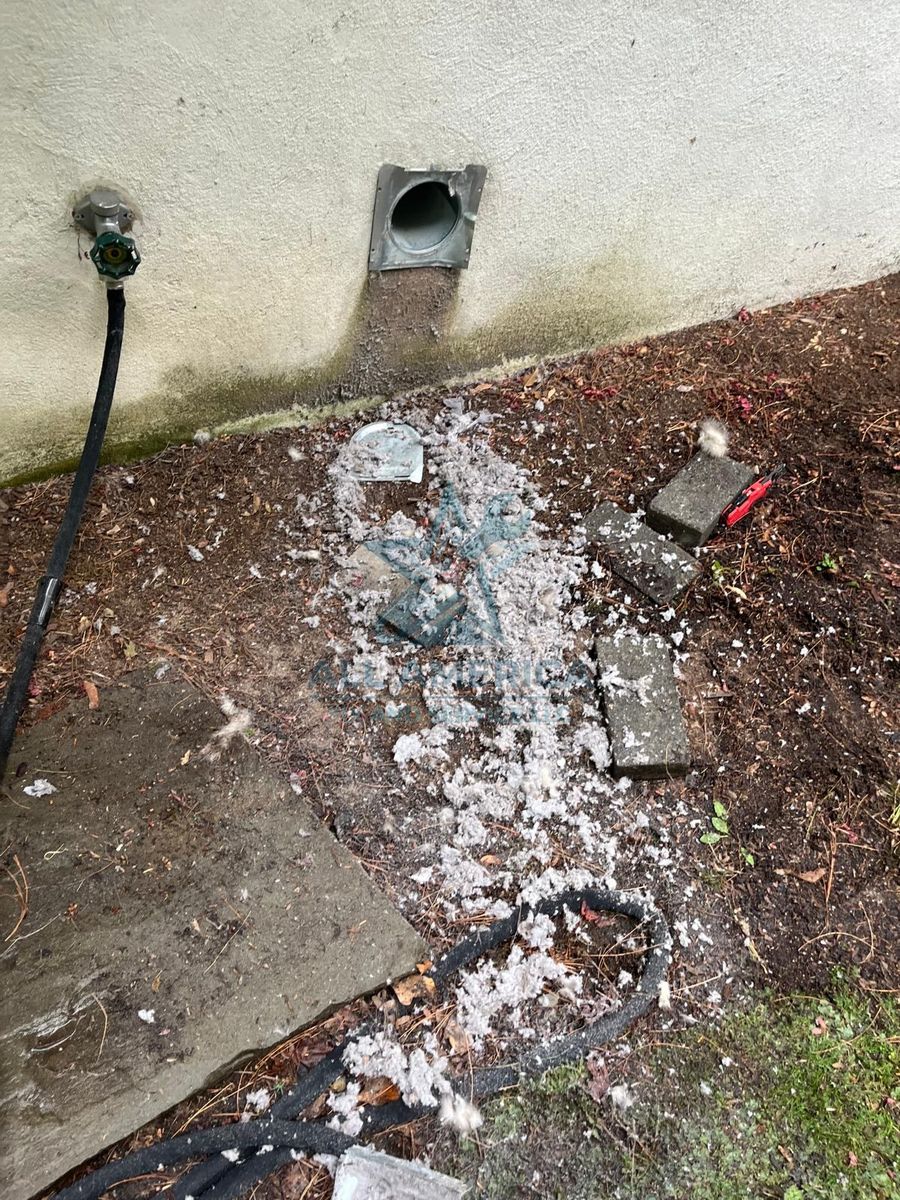
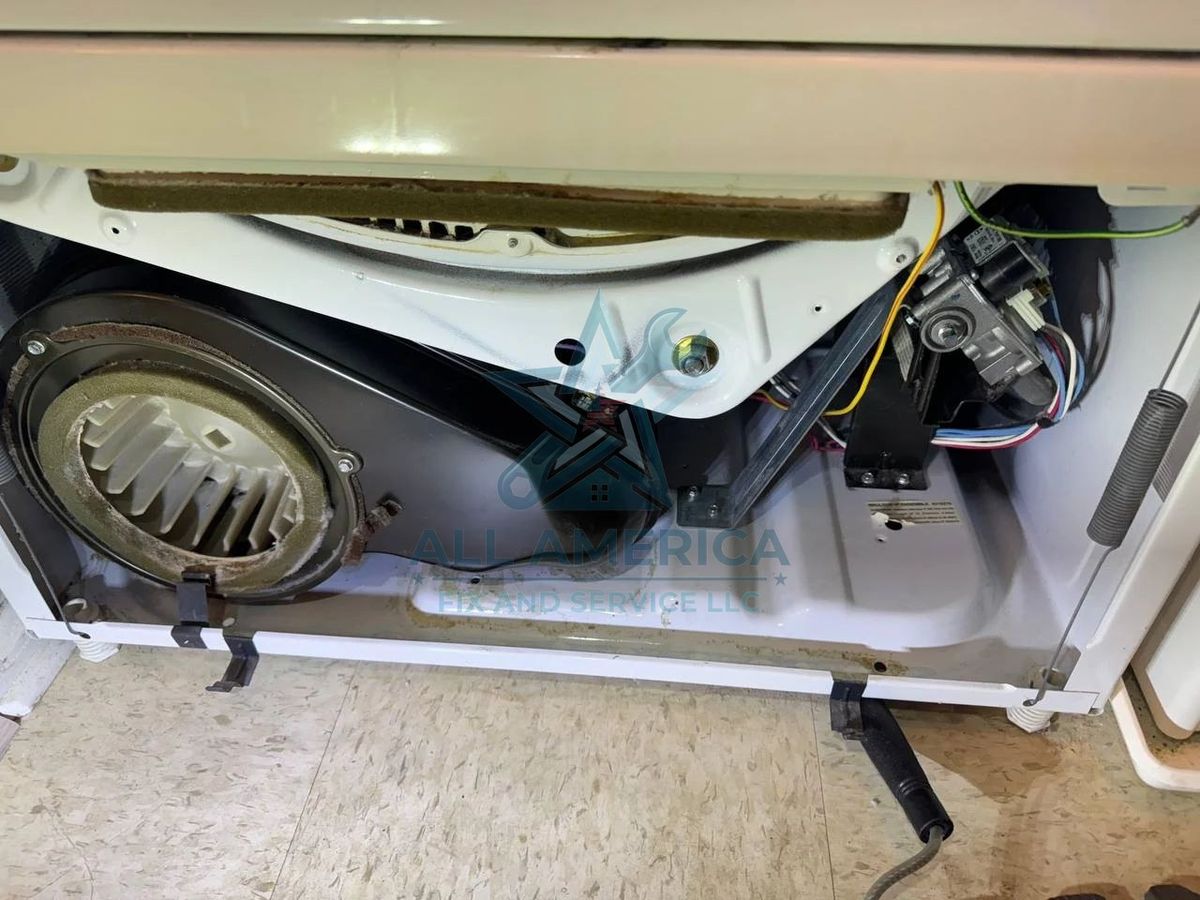
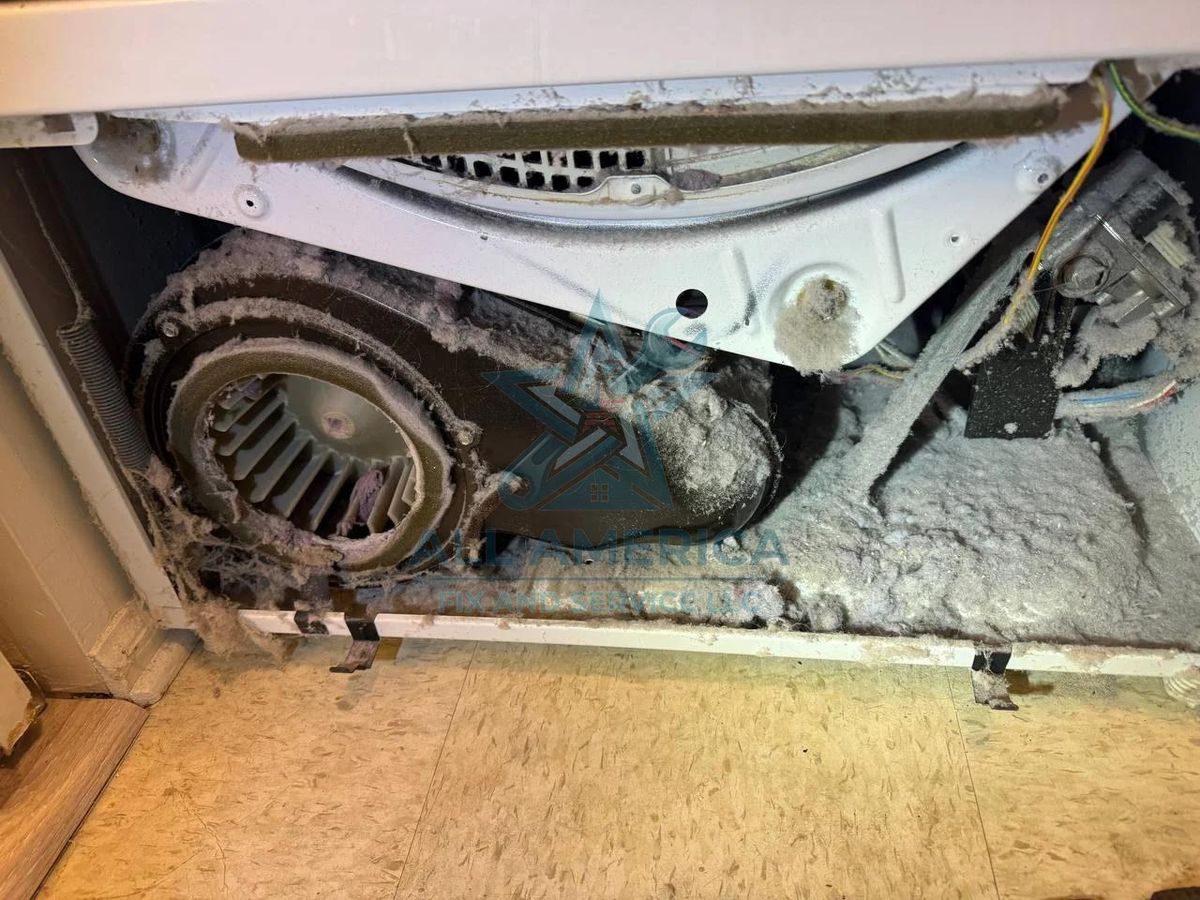
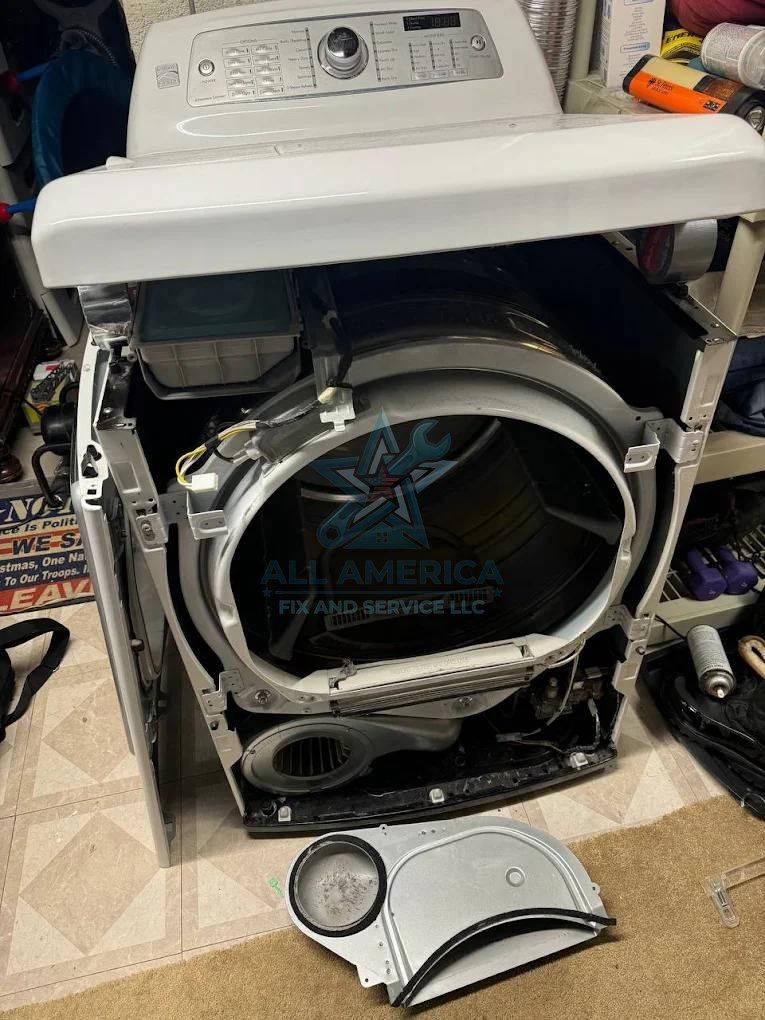
- Dryer vent cleaning, a real fire hazard when lint has built up over years
- Inspection for torn flex duct, disconnected boots, crushed runs and unsealed joints
- A written report of what we found, with photographs, including anything that needs a licensed HVACR contractor
- Post-renovation cleaning to clear construction dust out of the system
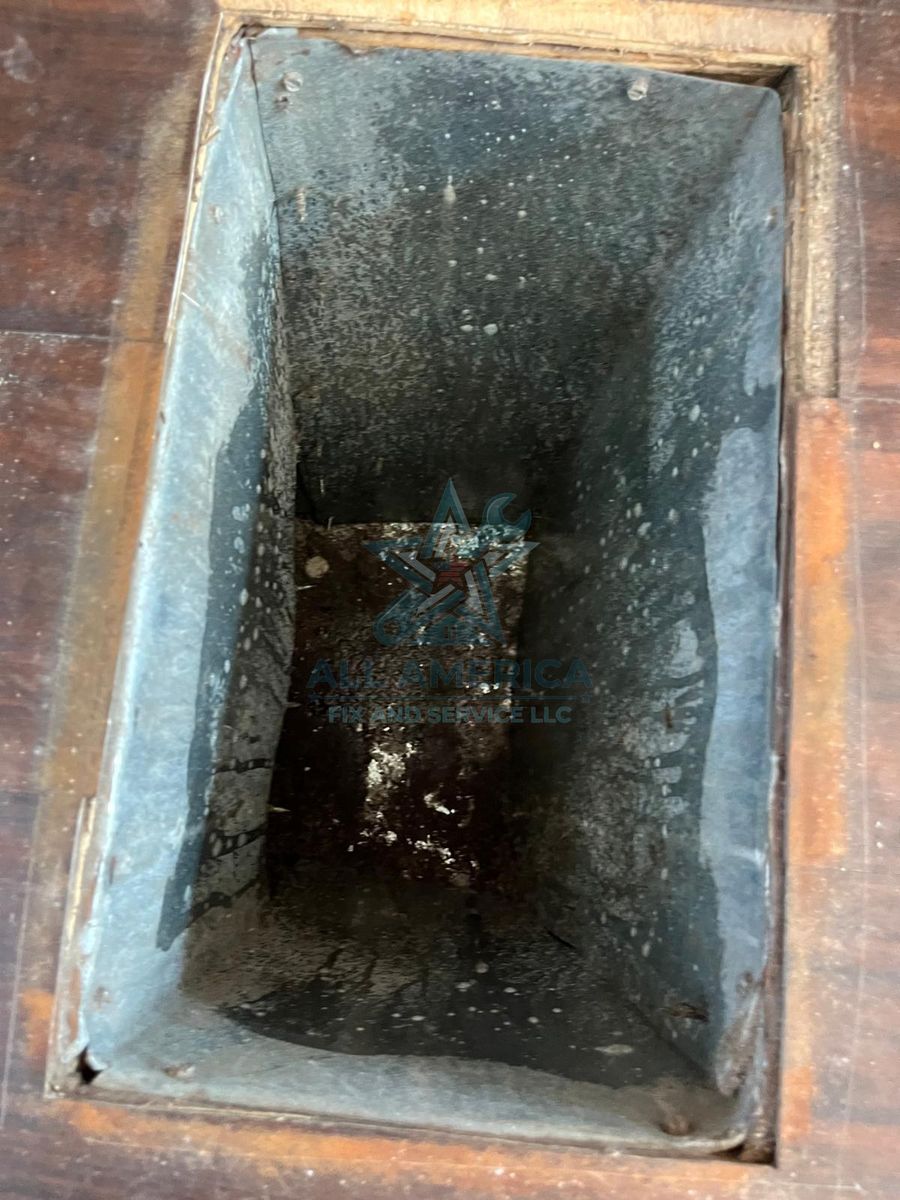
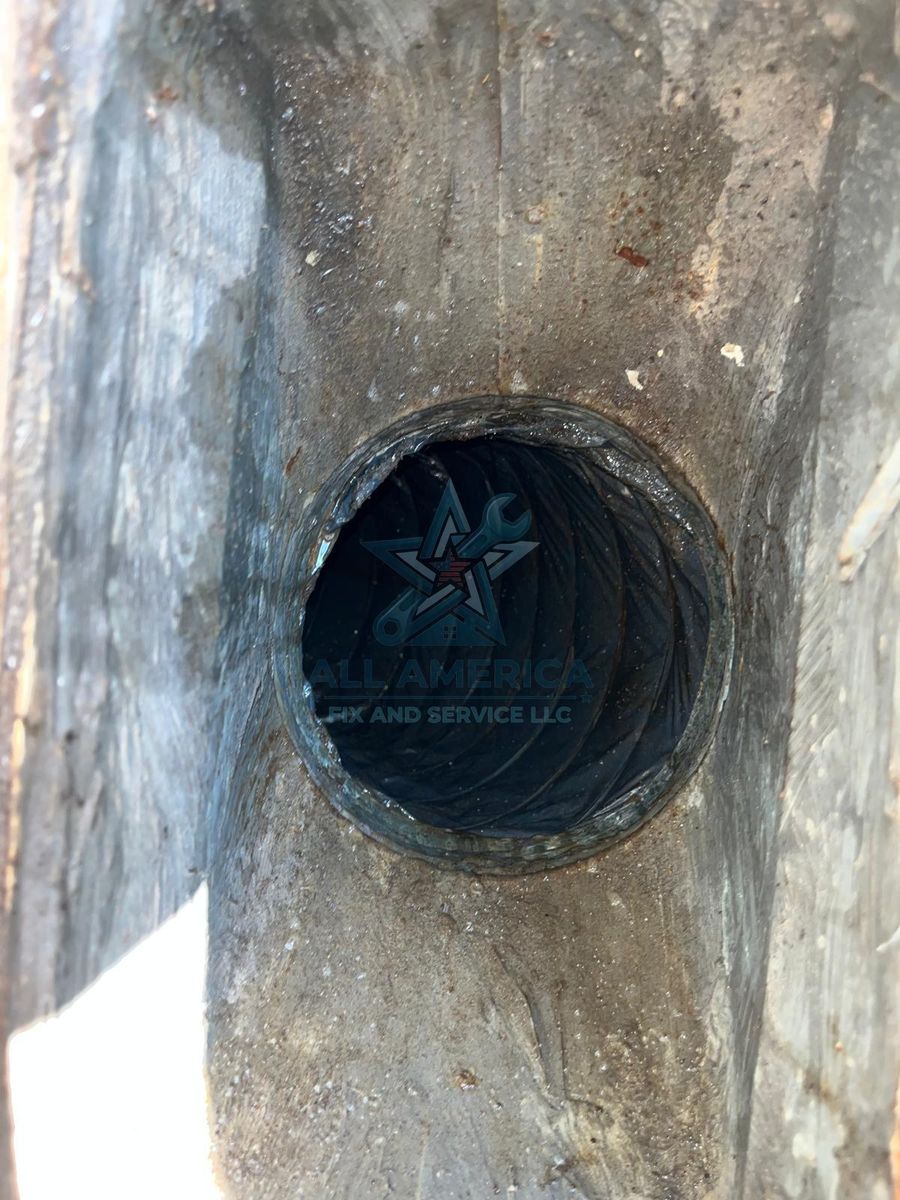
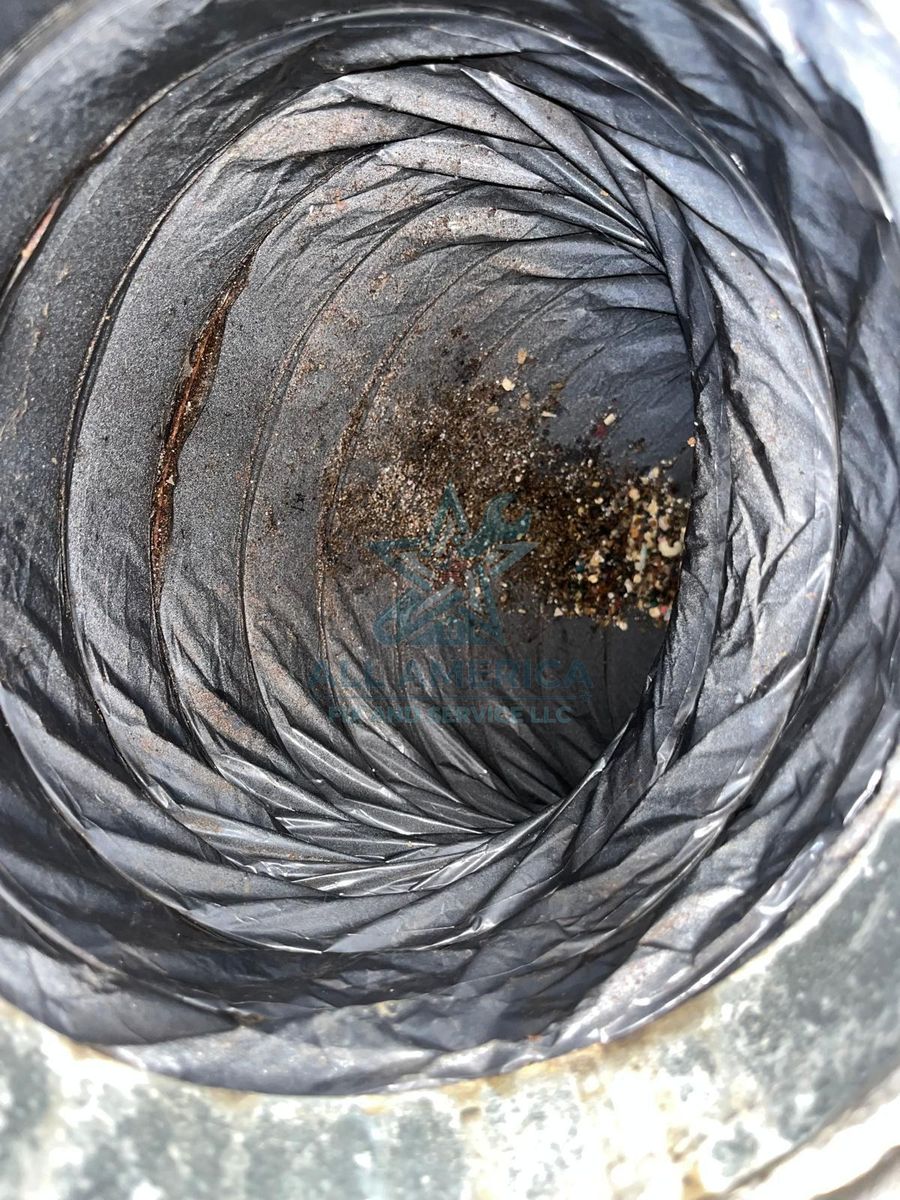
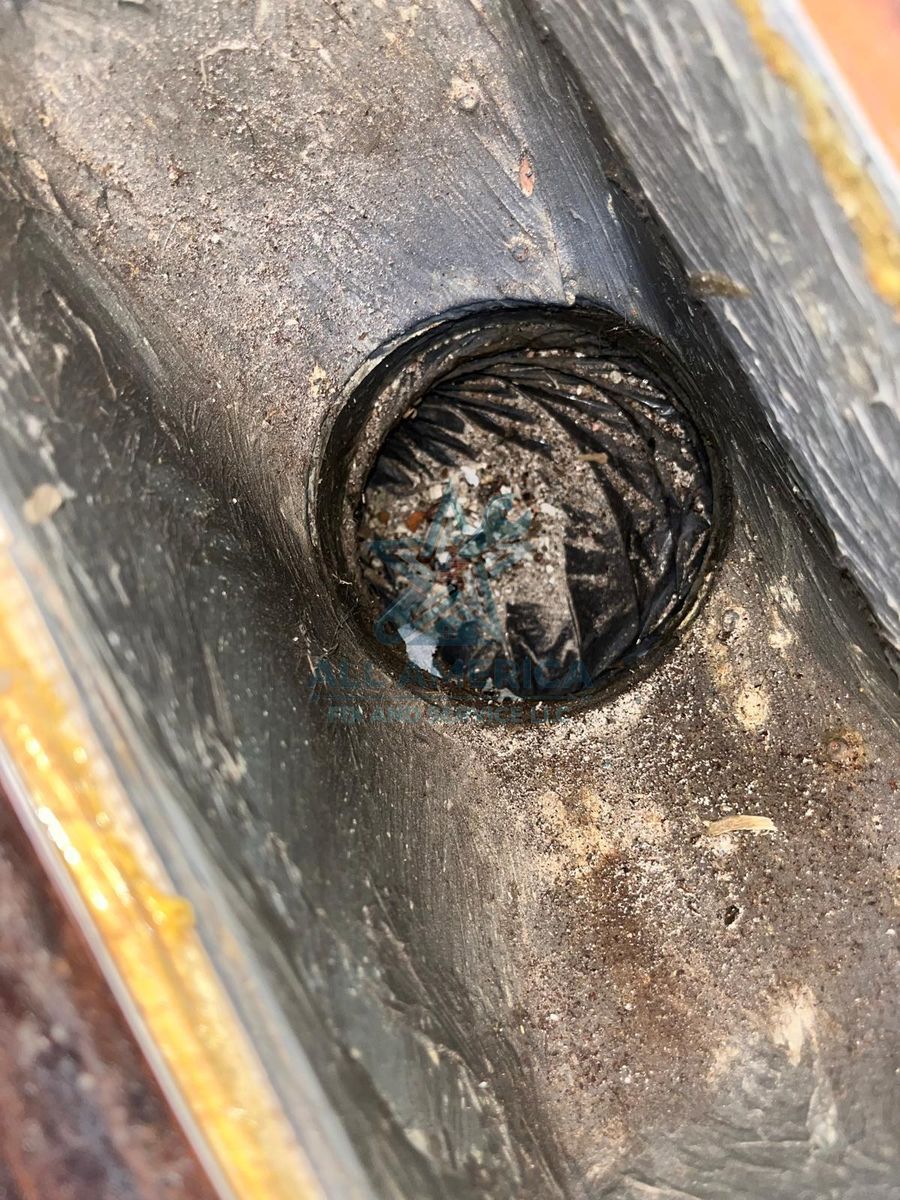
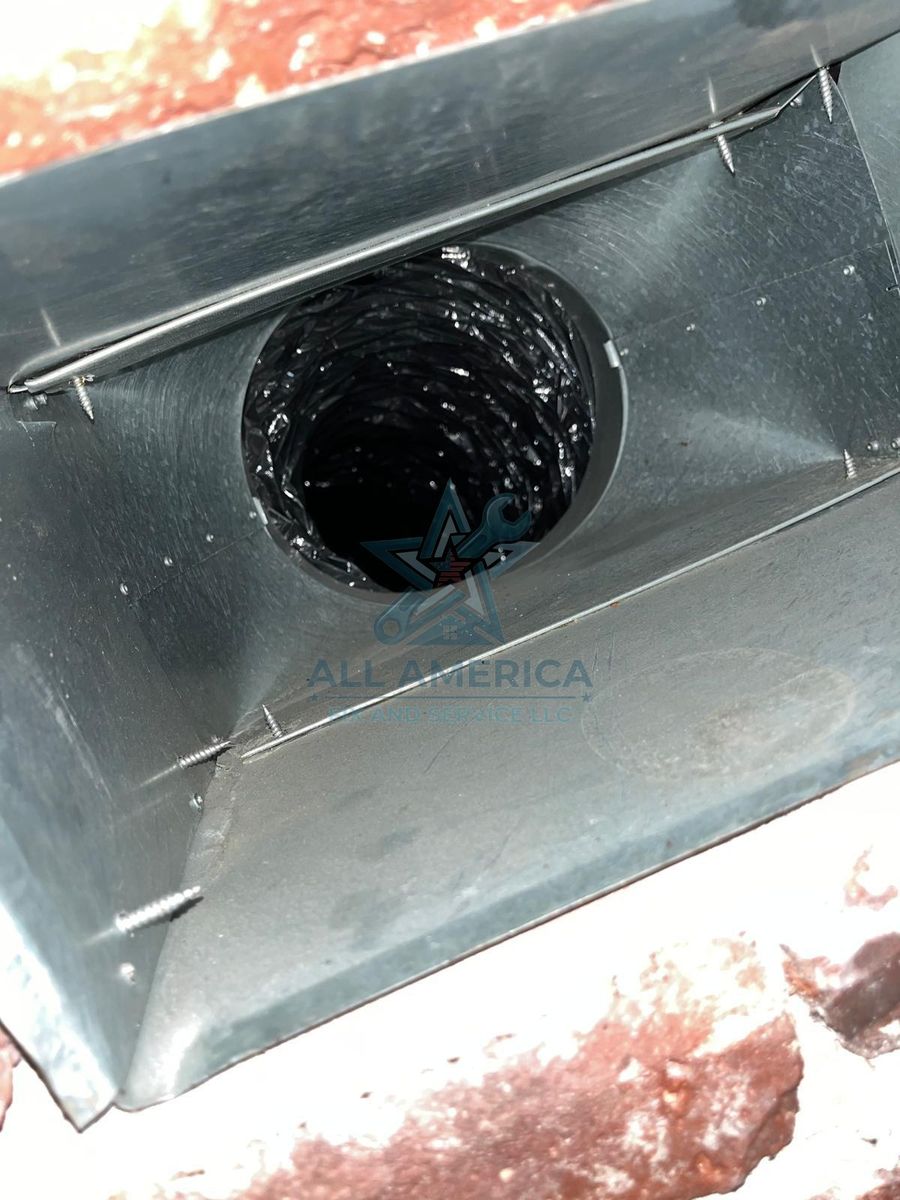
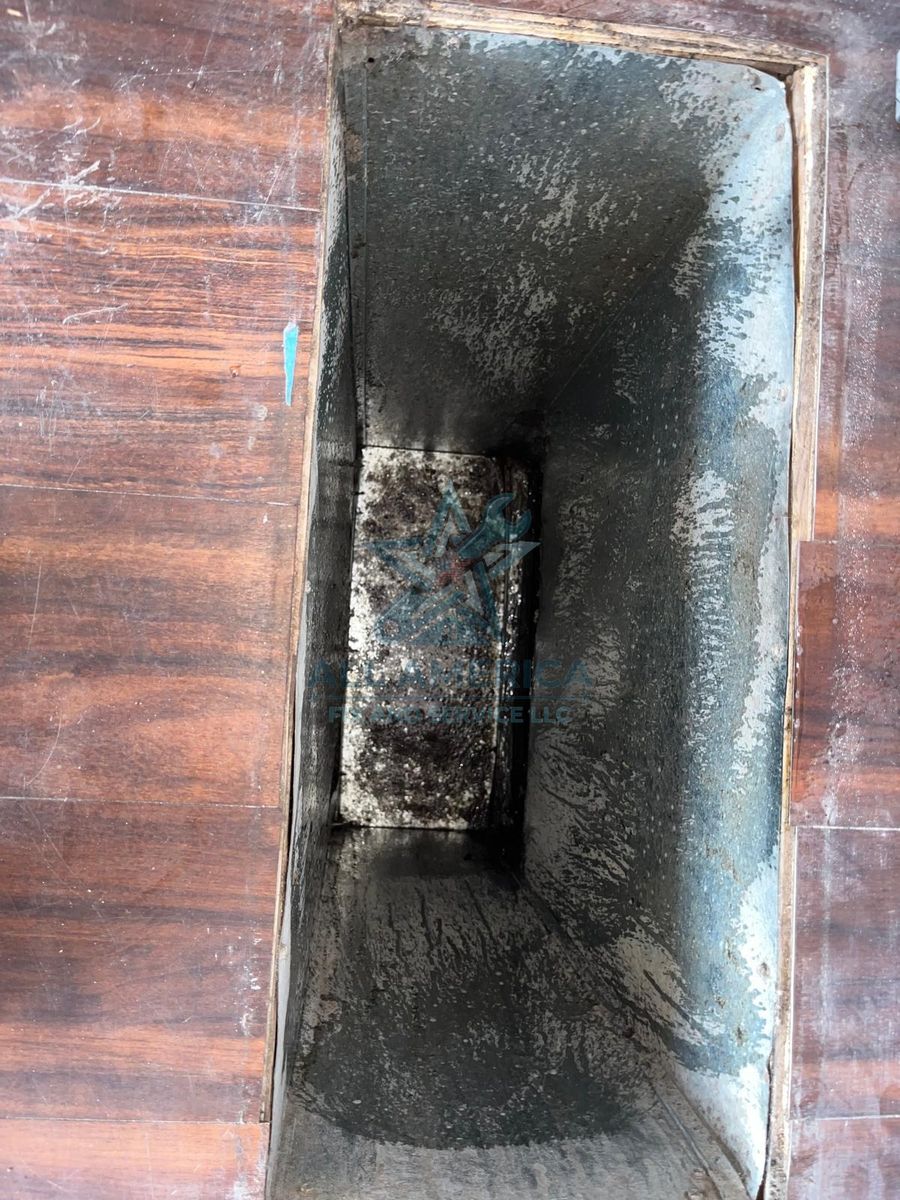
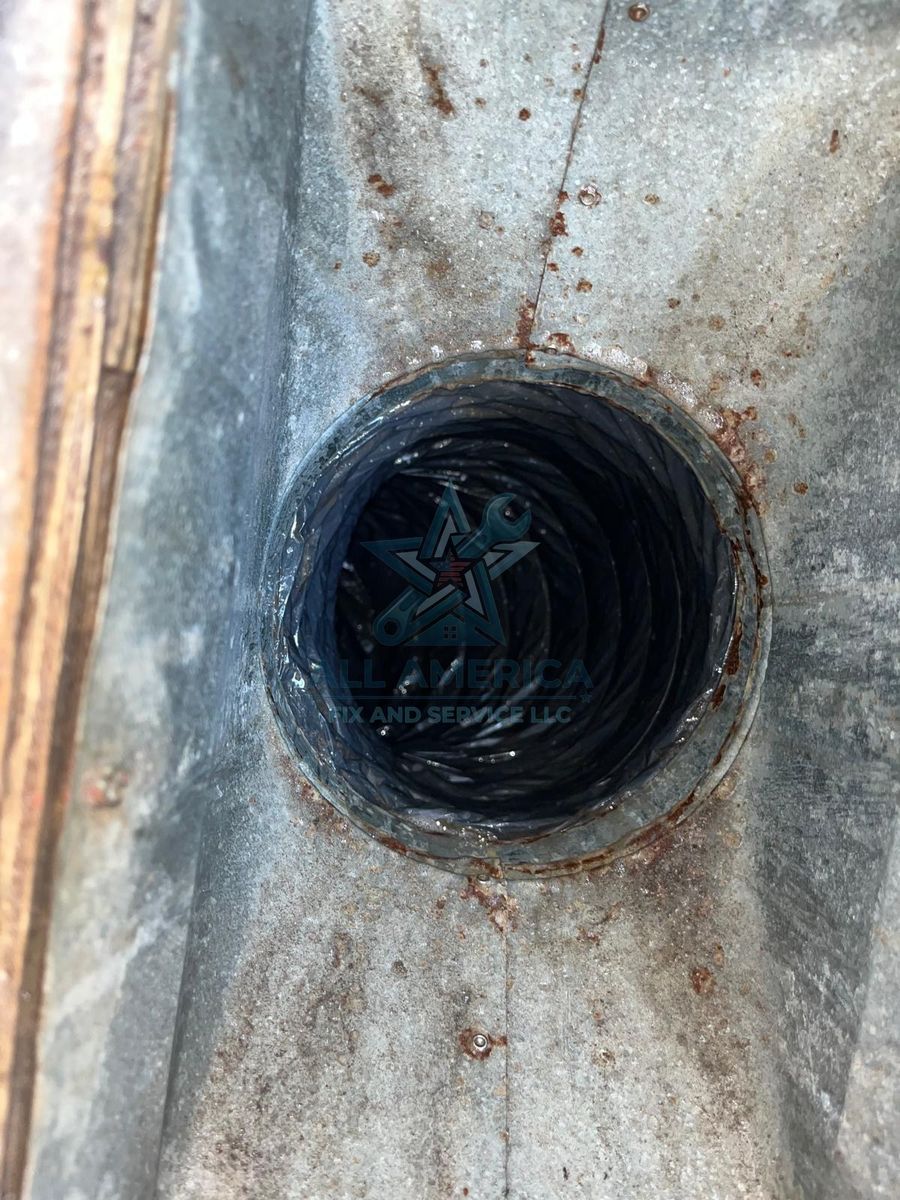
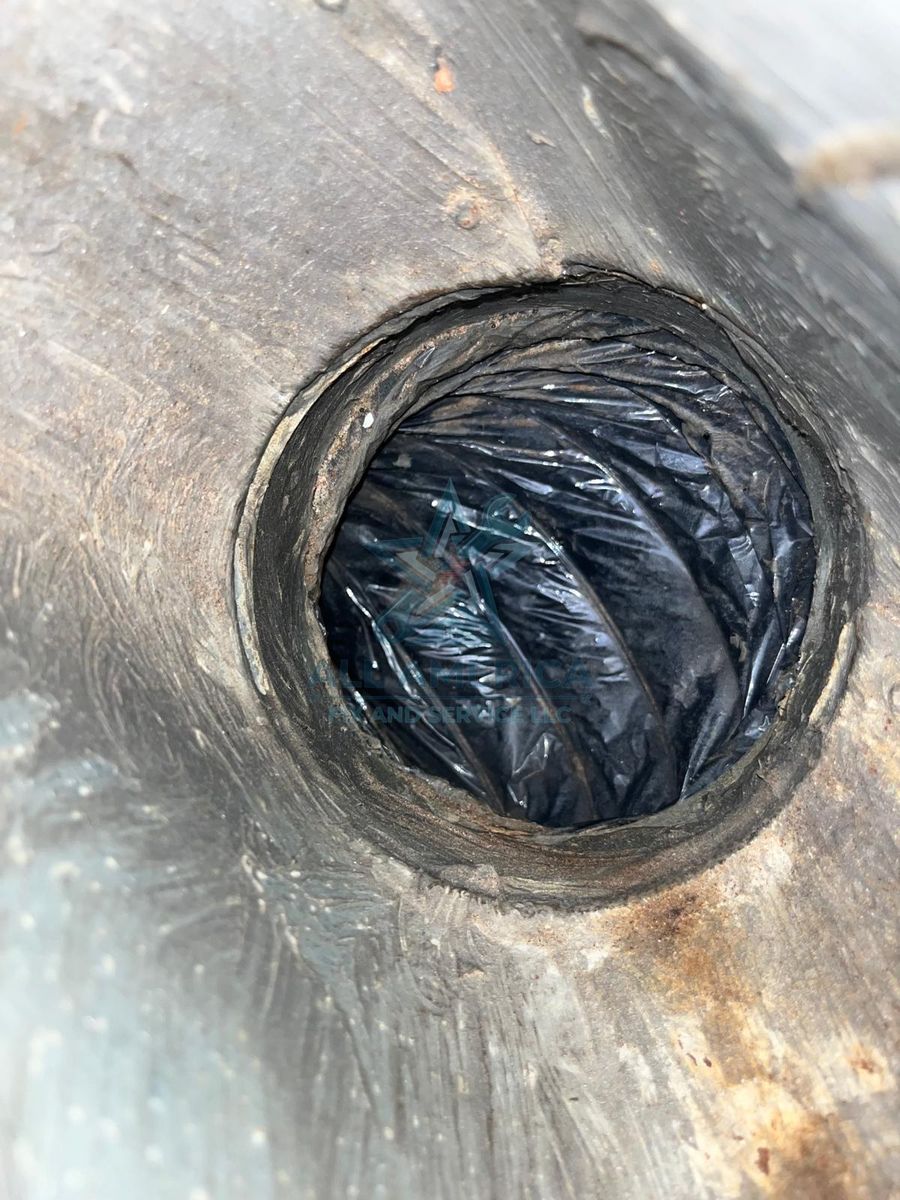
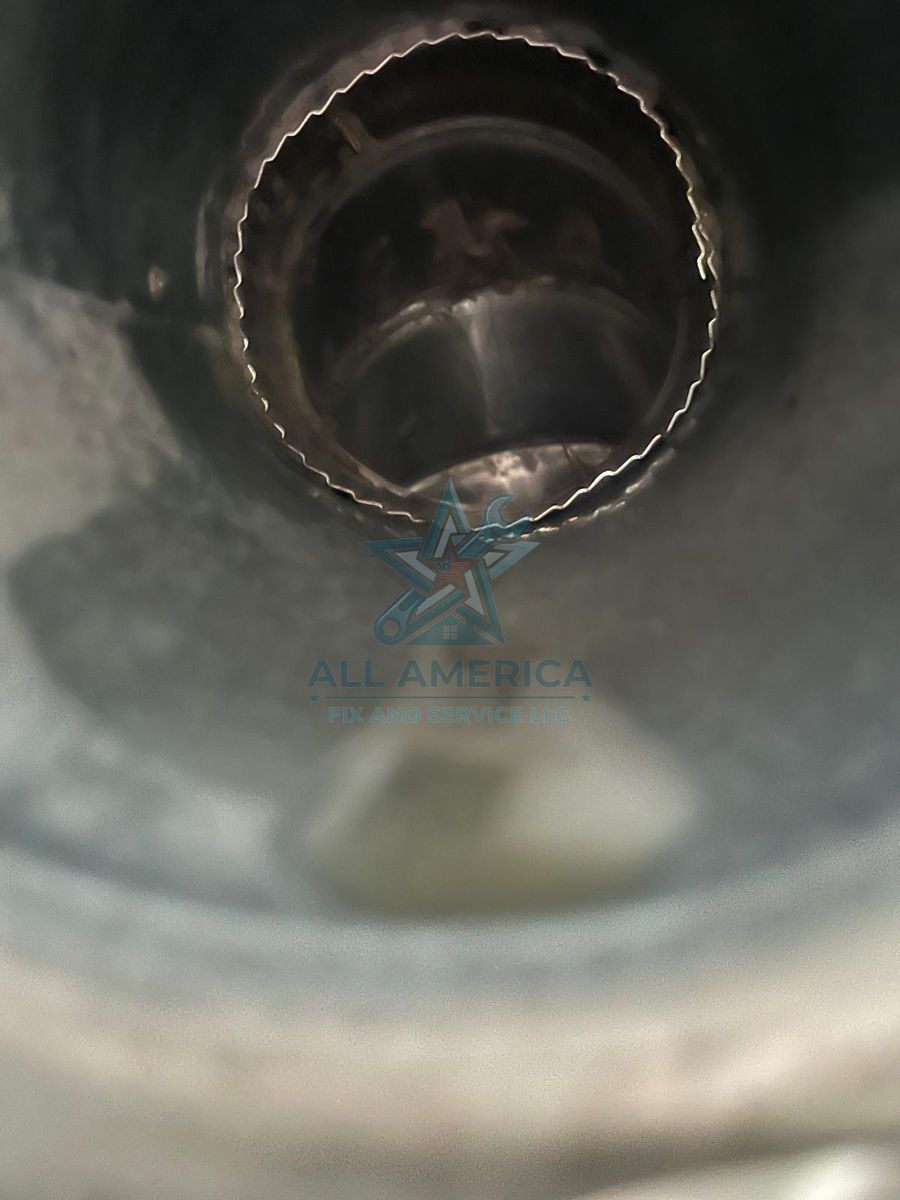
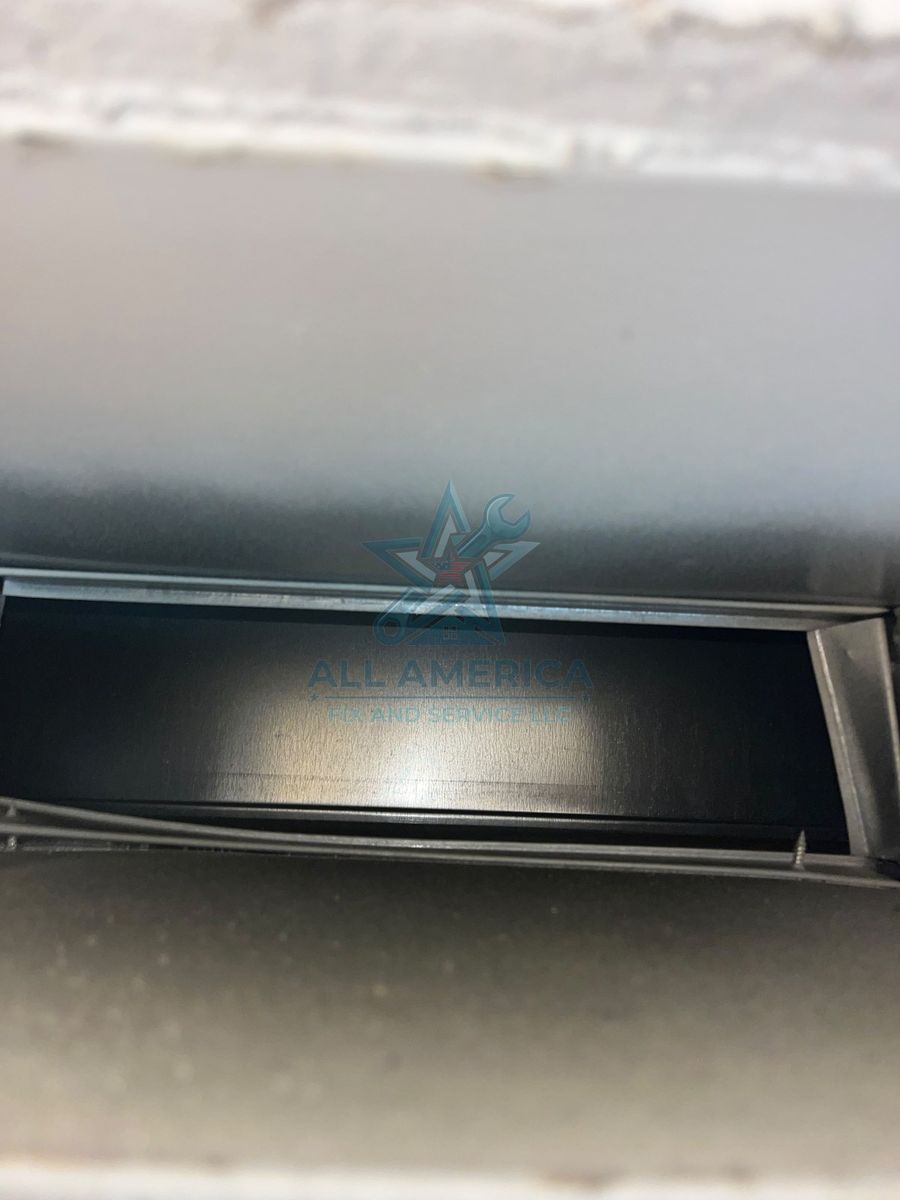
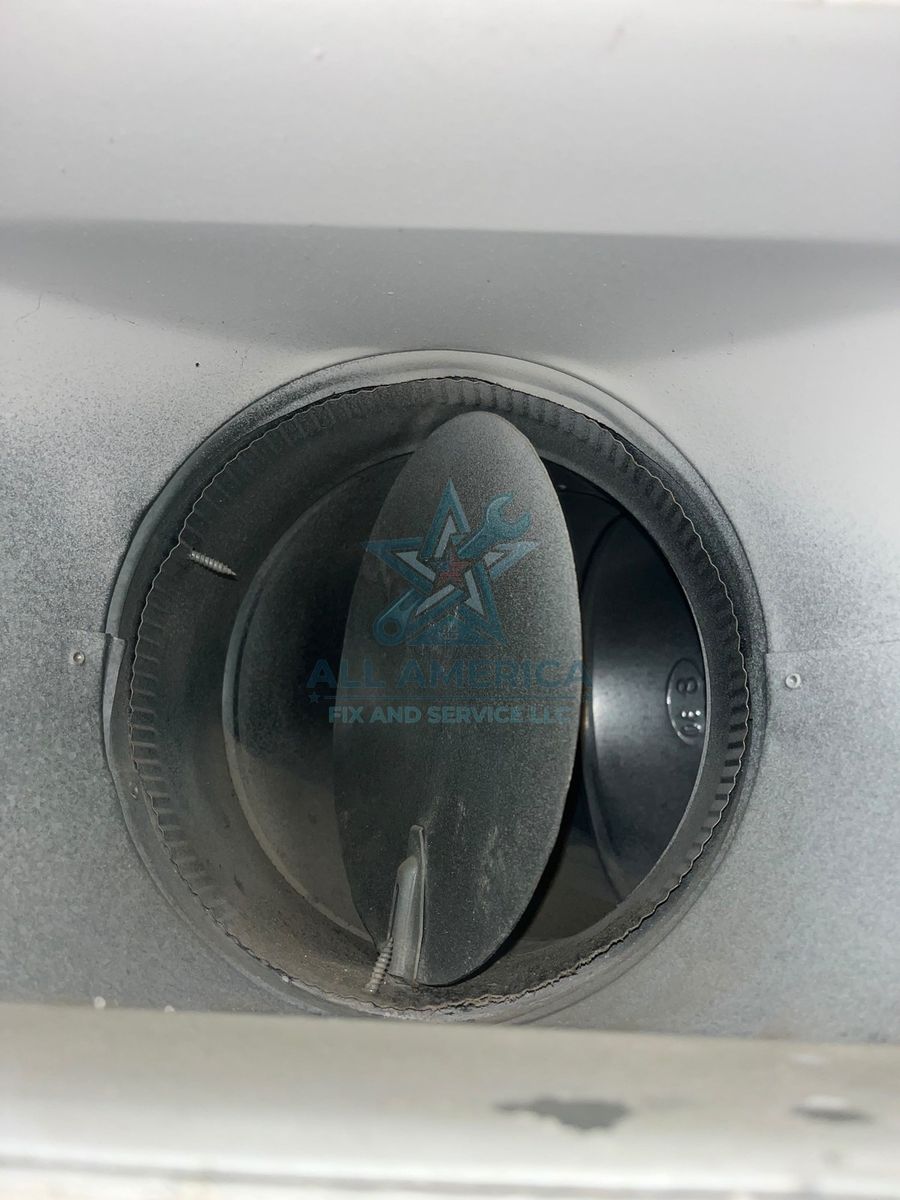
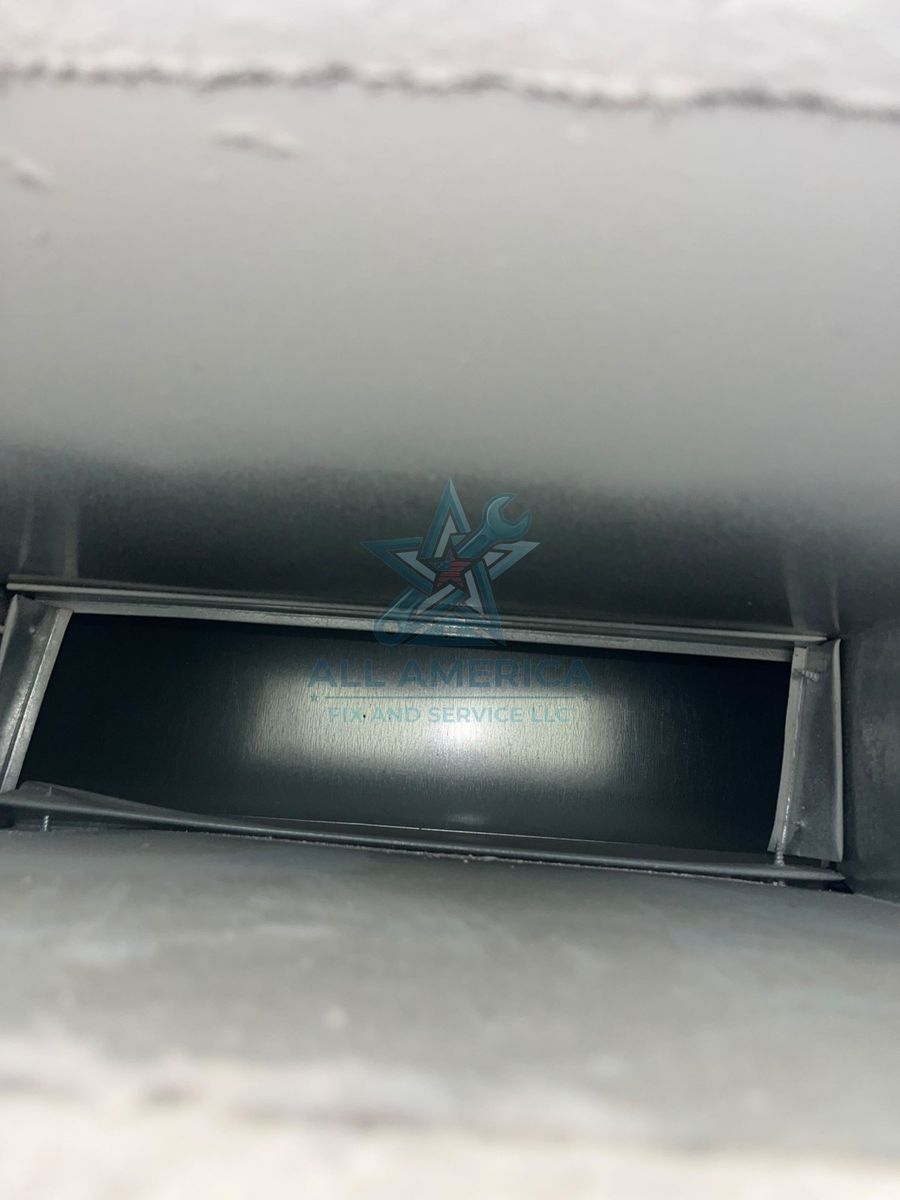
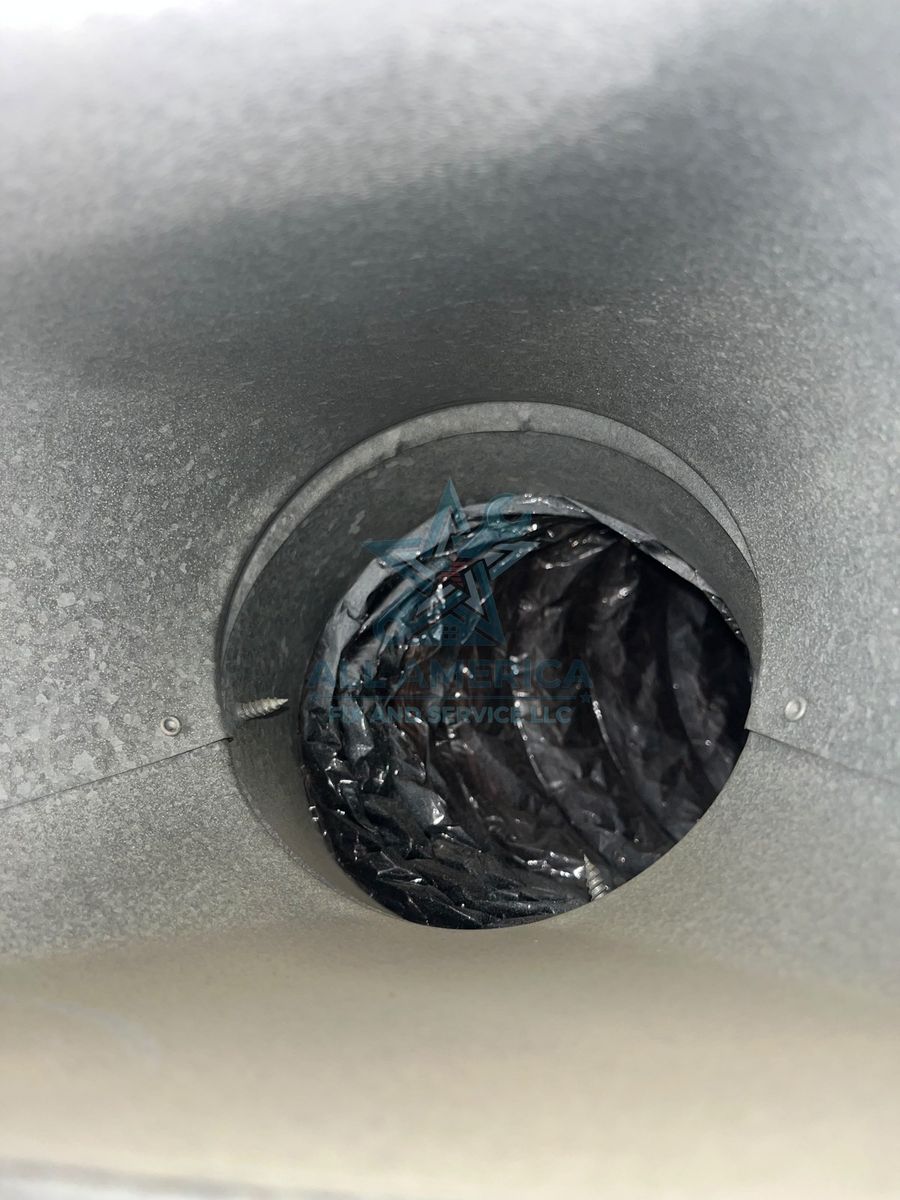
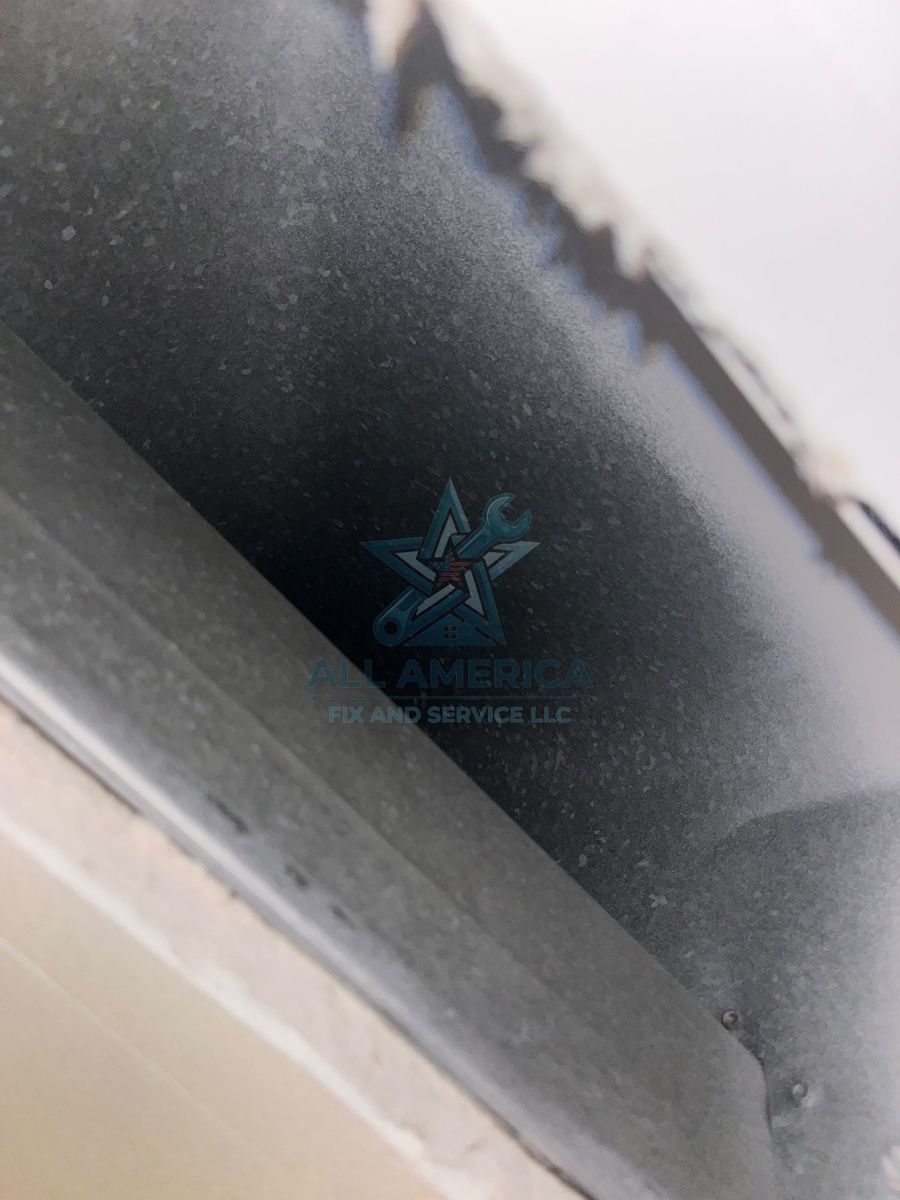
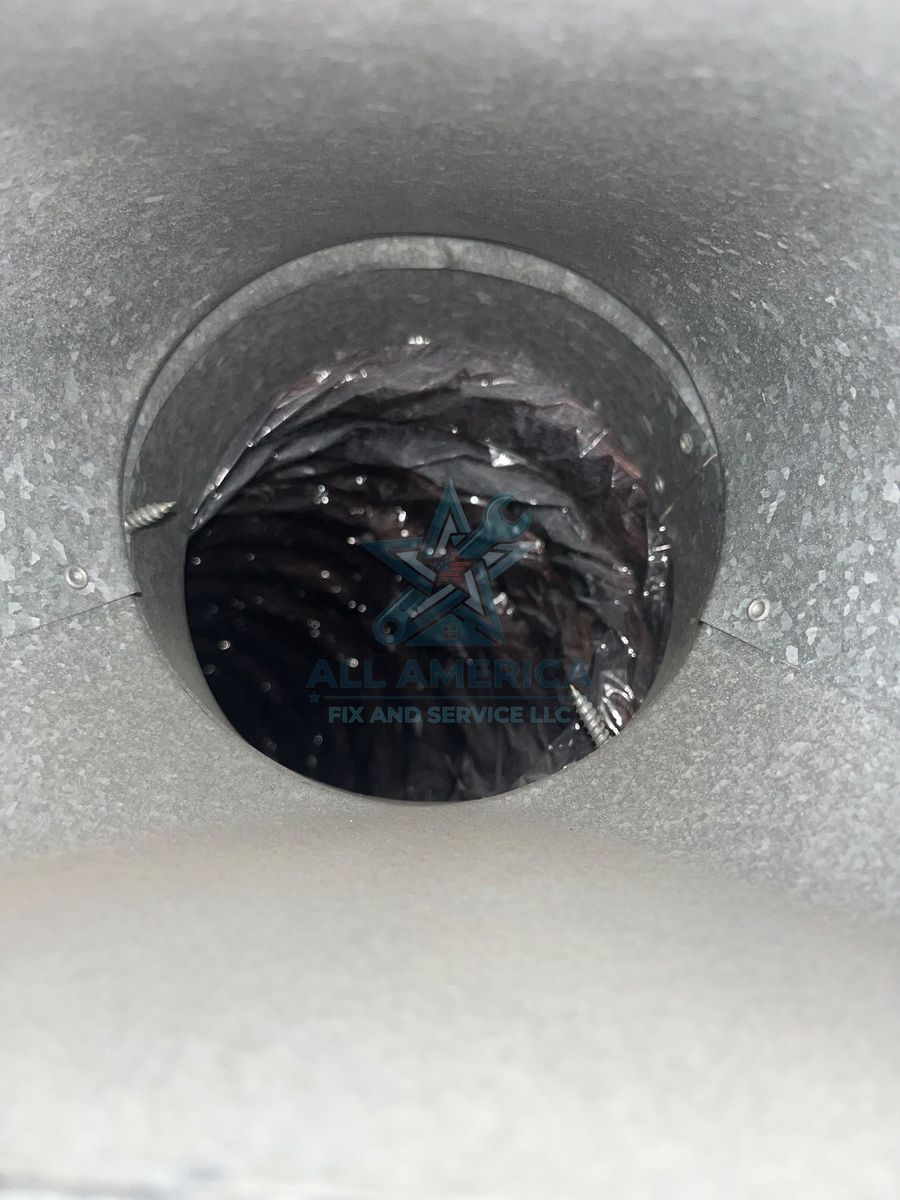
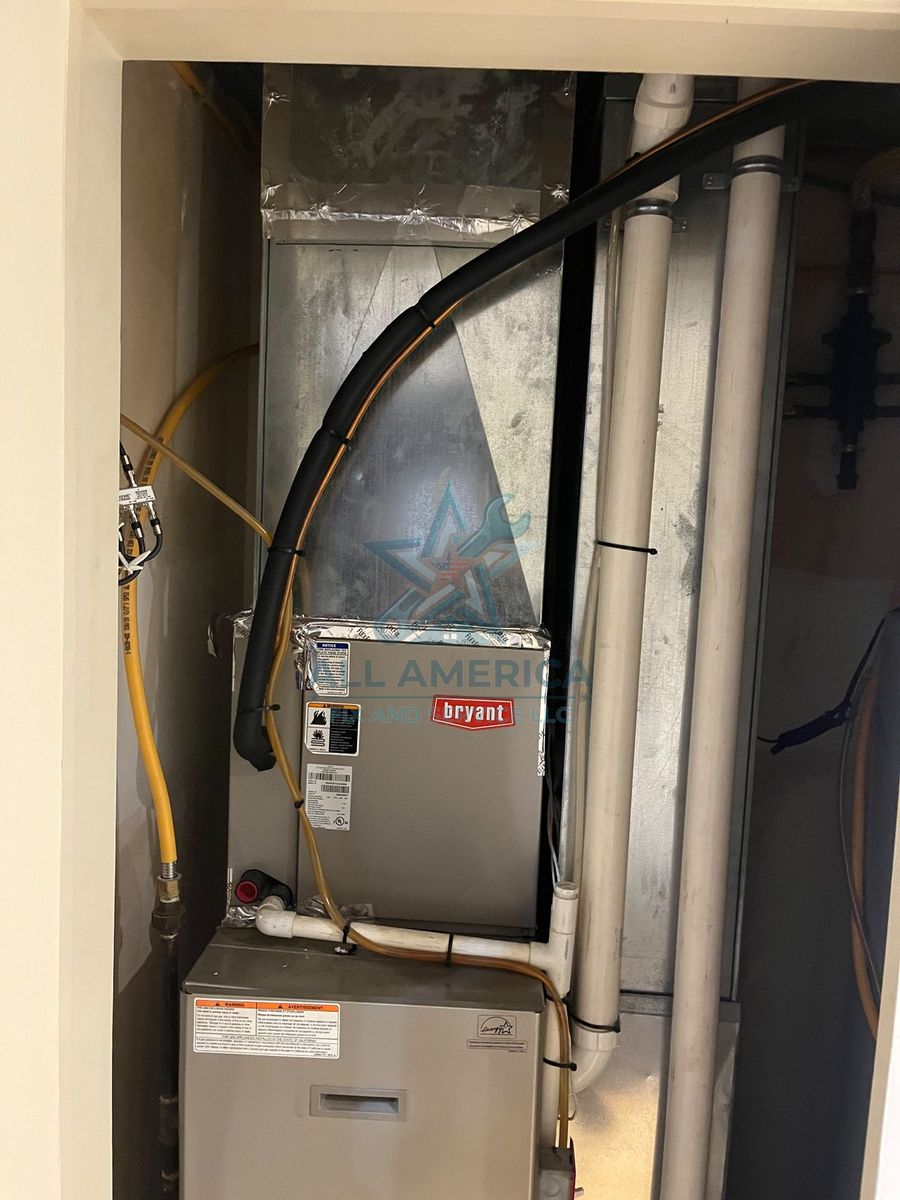
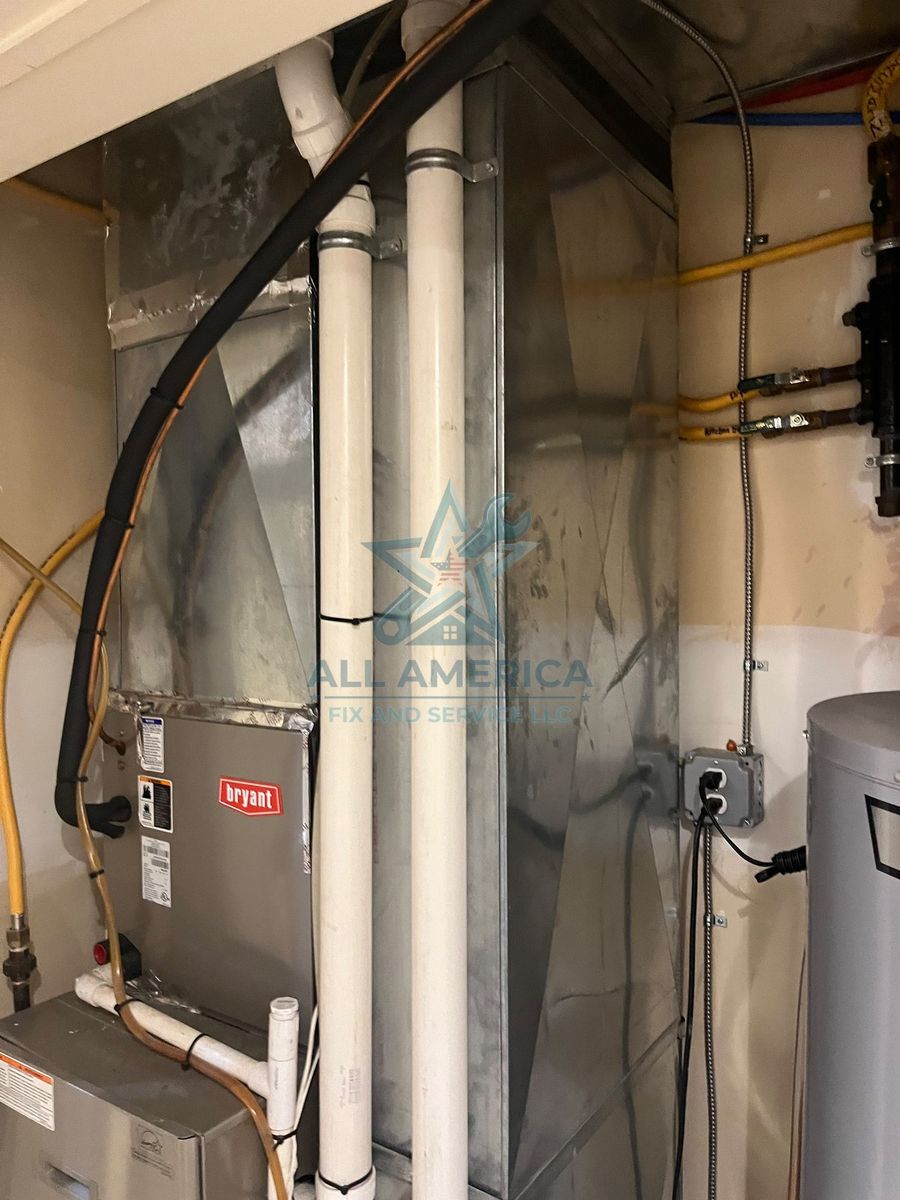
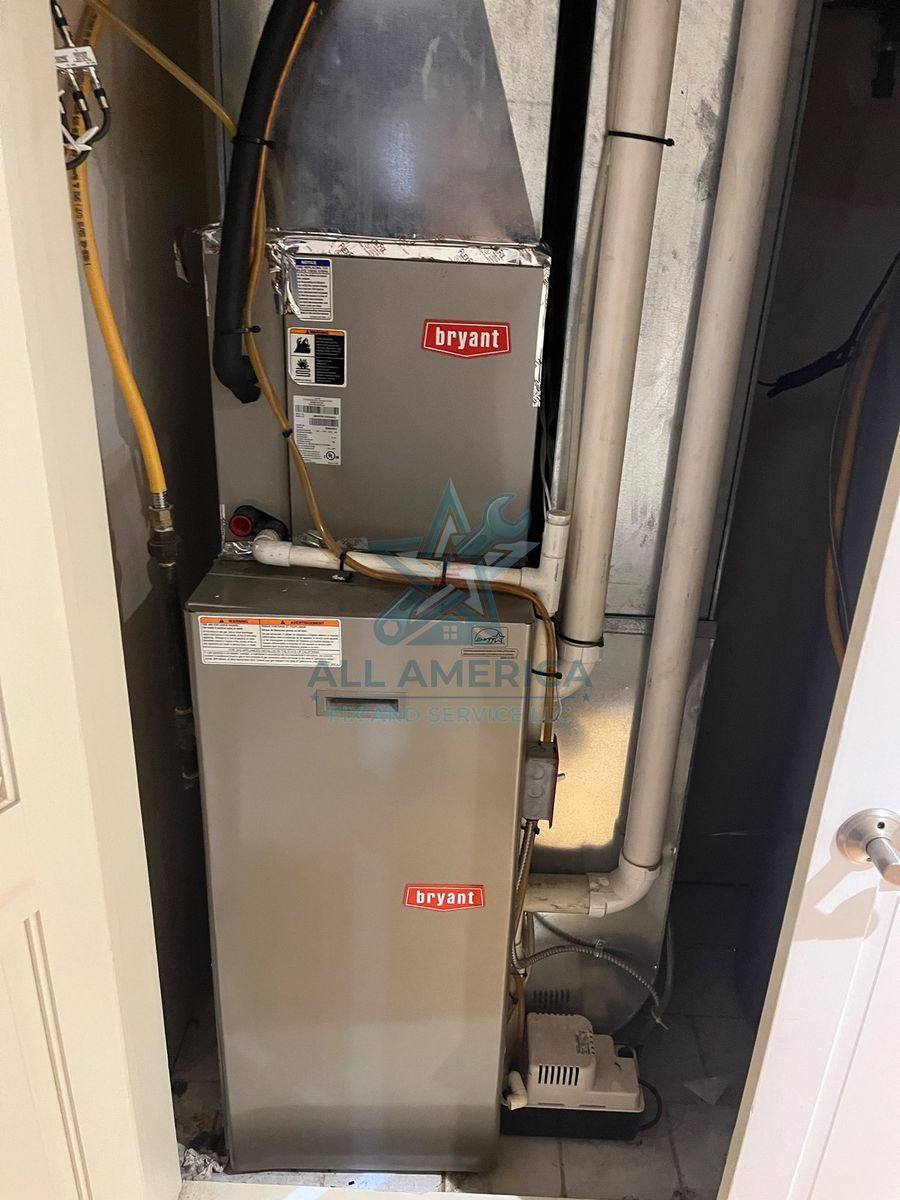
- Before-and-after photographs from inside the ductwork
Why homeowners in New Jersey call us
- Mechanical cleaning with contained HEPA collection, not a hose held at the register
- We check for air leakage and heat loss while we are in the system, which matters over a New Jersey year
- Photographs before and after so you can judge the result rather than take our word
- We flag duct damage instead of cleaning around it quietly
- We stay inside our scope — cleaning and inspection. If a duct needs repair or the system needs work, we tell you and point you to a licensed HVACR contractor
- Serving Newark, Elizabeth, Jersey City, Union, Edison, Woodbridge, Paterson and surrounding towns
What affects the cost
Duct cleaning is priced by the system rather than the house. What actually changes the number:
- Number of supply and return vents
- Number of separate heating and cooling systems in the building
- Total length and complexity of the duct run
- Accessibility — low basement ceilings, crawl spaces and tight attic runs are slower
- Whether dryer vent cleaning is added to the same visit
- How badly fouled the system is once the first vents come off
- Whether dryer vent cleaning is added to the same visit
Every quote is free and specific to your property — we do not price this kind of work over the phone without understanding what is actually there.
Our air duct work
Frequently asked questions
How often should air ducts be cleaned in New Jersey?
Every three to five years suits most homes here. Sooner after renovation work, water intrusion, visible mold, rodent or insect activity, or if someone in the household has significant allergies and the system has never been cleaned.
Does duct cleaning help with allergies?
It helps when the duct system is genuinely part of the problem — visible debris, mold, pest activity or construction dust in the runs. It is not a treatment for allergies in general, and New Jersey pollen will find its way indoors regardless. We will tell you honestly if what we see does not look like a plausible cause of your symptoms.
Why does my house smell musty when the system runs?
The usual cause in New Jersey homes is ductwork running through a damp basement with unsealed joints, drawing that basement air into the system and distributing it upstairs. Cleaning improves it; sealing the leaks is what actually solves it — and that is licensed HVACR work, so we will point you to a licensed contractor for it.
Do you apply antimicrobial or sanitizing treatments?
No. We clean the ducts — we physically remove the debris. We do not apply antimicrobial, biocide or sanitizing treatments inside duct systems, and we do not seal or repair ductwork. Any product making an antimicrobial claim is regulated, and most are not labelled for use inside duct interiors at all. If we find something that needs more than cleaning, we will show you what we found and tell you which licensed trade to call.
How long does the work take?
A typical single-system home is usually a half day. Larger homes and homes with two or three separate systems take longer. We would rather spend the extra time than skip the return side, which is where most of the buildup is.
Do you clean dryer vents as well?
Yes, and it is worth doing. Lint accumulating in a hot vent is a genuine fire hazard, and long runs through basements or exterior walls make it worse. If drying now takes two cycles, that is usually the first sign.
Find out what is in your ducts
Free inspection, photographs from inside the system, and an honest answer on whether a cleaning is actually worth it for you.