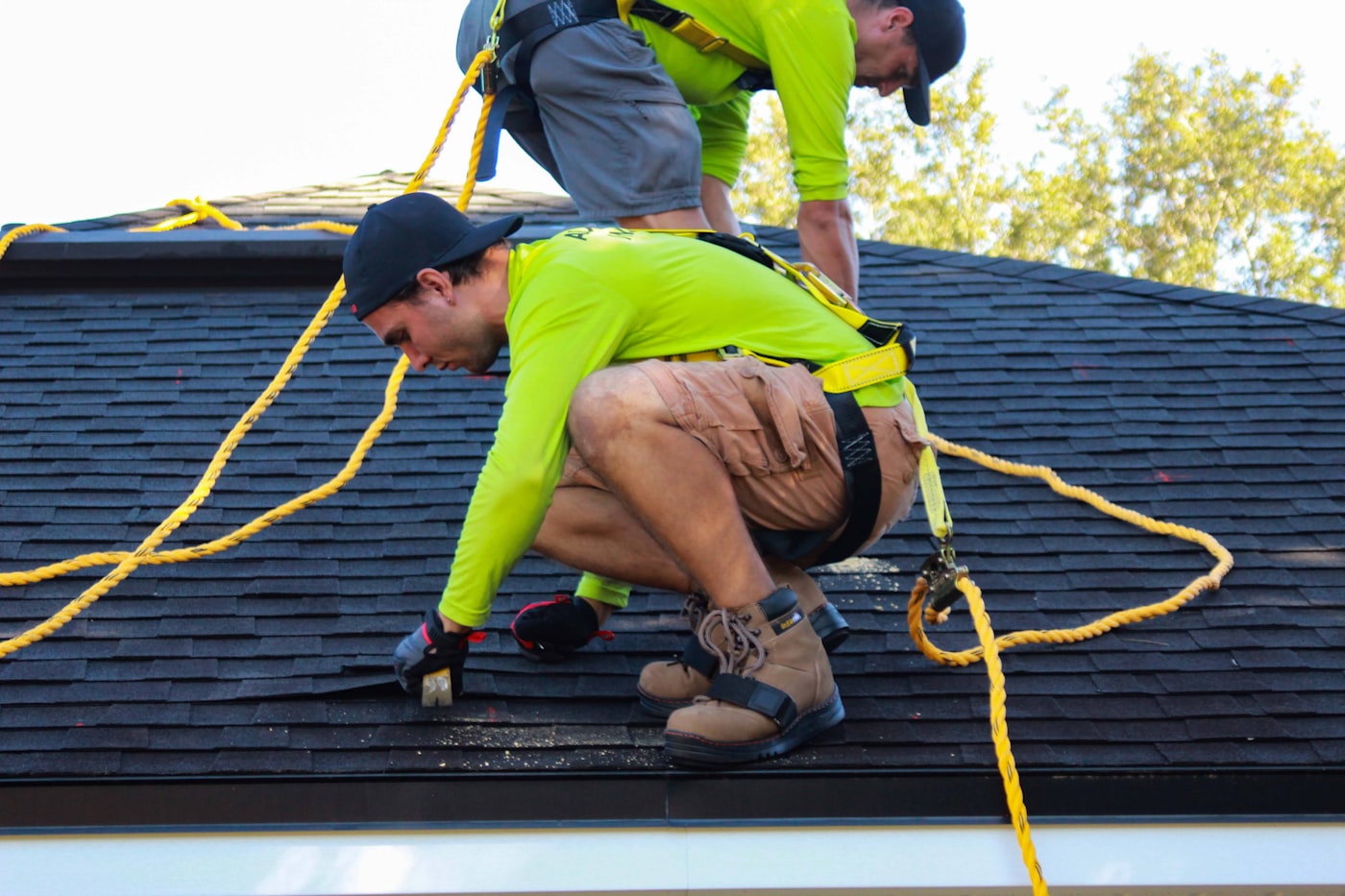
New Jersey roofs get tested from both directions. Nor’easters push rain sideways for a day and a half at a stretch, summer thunderstorms bring hail and sudden straight-line wind, and then winter runs the whole assembly through freeze and thaw cycles for months. A roof that only handles one of those does not last here. We repair and replace shingle, metal and flat roofs across northern and central New Jersey and build for all of it.
Wind-driven rain is the failure mode people underestimate. In an ordinary storm, water runs downhill and the shingles do their job. In a nor’easter, sustained wind drives water horizontally and upward under the shingle edges, into the gaps around vent penetrations, and behind siding at the roof-to-wall junction. That is why the details matter far more than the shingle brand: step flashing along walls and dormers, counter-flashing at chimneys, proper valley construction, and ice-and-water shield in the vulnerable areas.
Freeze-thaw damage is slower and quieter. Water enters a hairline gap in flashing or a chimney mortar joint, freezes overnight, expands, and widens the gap fractionally. Repeat that across a New Jersey winter for several years and a detail that passed inspection becomes a leak. Ice dams also form here in colder winters, particularly in the northern counties, and the cause is attic heat loss rather than the roof surface — which means the honest fix involves insulation and ventilation, not just shingles.
Hail and wind damage claims are a real part of roofing in this state, and there is a lot of bad practice around them. Storm-chasing operations appear after a bad weather event, promise to handle the claim, and leave problems behind. Our approach is straightforward: we inspect, we photograph and document what we actually find, and we give you that documentation to use with your insurer. We do not tell you the roof is destroyed when it is not.
New Jersey requires home improvement contractors to be registered with the Division of Consumer Affairs and to provide a written contract, and municipalities here enforce roofing permits. We pull the permits, we put the registration number on the contract, and you keep the paperwork. It matters when you sell.
What our New Jersey roofing service includes
- Full roof inspection with photographs, including attic-side inspection where accessible
- Leak tracing to the actual entry point rather than patching where the ceiling stain shows
- Asphalt shingle repair and complete replacement with ice-and-water shield at eaves and valleys
- Metal roofing repair and installation
- Flat and low-slope roofing: EPDM rubber, TPO and modified bitumen
- Chimney and wall flashing, step flashing, counter-flashing, drip edge and valley detail
- Deck inspection and replacement of rotted sheathing discovered during tear-off
- Attic ventilation and insulation assessment where ice dams are a recurring problem
- Gutter, downspout and drainage work so water actually leaves the roof
- Storm and hail damage inspection with written and photographic documentation for your insurer
- Complete debris removal and magnetic nail sweep
Why homeowners in New Jersey call us
- We build for nor’easters — flashing and edge detail done properly, not just a shingle over a problem
- Photographs of what we find before you get a quote, so you are not taking our word for anything
- Honest storm damage assessments, including telling you when the roof is fine
- Registered New Jersey home improvement contractor with written contracts and pulled permits
- Serving Newark, Elizabeth, Jersey City, Union, Edison, Woodbridge, Paterson and surrounding towns
- Reachable seven days a week, including during and immediately after storms
What affects the cost
Roofing quotes in New Jersey vary for real reasons, not arbitrary ones. What moves the number:
- Roof type — asphalt, metal and flat systems have very different material and labor costs
- Square footage, pitch, and the number of valleys, dormers and penetrations
- Condition of the deck underneath, which is often only visible once the old roof is off
- How many existing layers have to come off, since some roofs here carry two
- Extent of ice-and-water shield and ventilation work included
- Access and staging, which is harder on tight lots in the older urban towns
- Municipal permit and inspection requirements, which vary by town
- Season and weather window, since a wet spring can stretch a schedule
Every quote is free and specific to your property — we do not price this kind of work over the phone without understanding what is actually there.
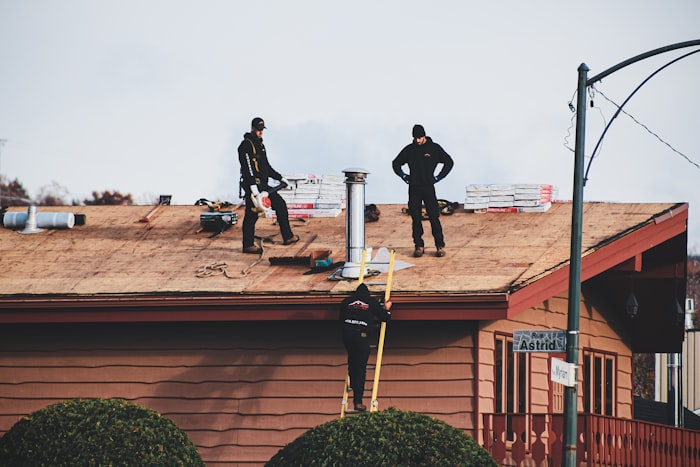
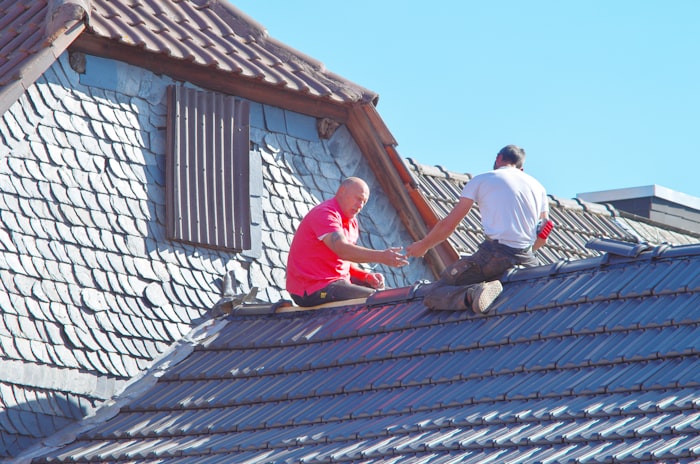
Recent work
Frequently asked questions
A storm just came through. How do I know if my roof was damaged?
From the ground, look for missing or lifted shingles, granules collecting at the bottom of downspouts, dented gutters or vents, and any new staining on ceilings. Much of it is not visible from the ground, though, which is why we inspect and photograph the roof itself. We will tell you honestly if there is no damage — that is a perfectly common outcome.
Will you help with my insurance claim?
We inspect the roof and document what we find with photographs and written notes, which is what an adjuster needs to see. We are roofers, not public adjusters, so we do not negotiate the claim for you. Be careful of any company that promises to handle everything and waive your deductible — that is not a favour, and in New Jersey it is not legitimate.
Should I repair or replace?
It depends on the age of the roof and how widespread the problem is. Isolated damage on an otherwise sound roof is a repair. Multiple leak points, widespread granule loss, sagging, or a roof near the end of its service life means replacement is the better spend. We show you the photos and give you the honest version, including when you can wait a few more years.
Do I need a permit to replace my roof in New Jersey?
In most municipalities, yes, and the contractor should be registered with the New Jersey Division of Consumer Affairs with that registration number appearing on your written contract. We handle the permit and the paperwork. Unpermitted work tends to surface at the worst time, which is when you are selling.
What causes ice dams and can they be prevented?
Heat escaping into the attic melts the snowpack from underneath, and the meltwater refreezes at the cold eave, forming a ridge that backs water up under the shingles. Ice-and-water shield protects the roof from the water that does back up, but the actual prevention is attic air sealing, insulation and ventilation. Anyone selling you shingles as an ice dam cure is not being straight.
Do you work on flat roofs?
Yes. Flat and low-slope roofs are common on additions, porches and older buildings here, and they fail at seams, drains, edges and penetrations rather than in the field. We repair and replace EPDM rubber, TPO and modified bitumen systems.
Get your New Jersey roof inspected
Free inspection, photographs of what we actually find, and a written quote with no pressure attached.